

Tuesday, July 14, 2026
Science
No Result
View All Result
  • Login
  • HOME
  • SCIENCE NEWS
  • CONTACT US
  • HOME
  • SCIENCE NEWS
  • CONTACT US
No Result
View All Result
Scienmag
No Result
View All Result
Home Science News Technology and Engineering

Plant-Based Dressing Prevents Wound Infections Effectively

July 14, 2026
in Technology and Engineering
Reading Time: 2 mins read
0
Plant-Based Dressing Prevents Wound Infections Effectively

Plant-Based Dressing Prevents Wound Infections Effectively

65
SHARES
587
VIEWS
Share on FacebookShare on Twitter
ADVERTISEMENT

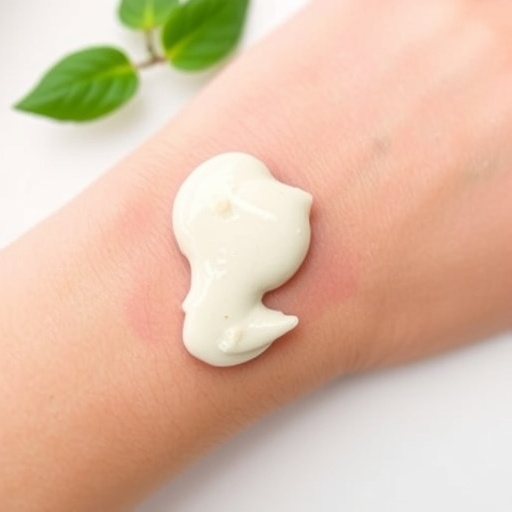
A groundbreaking advancement in wound care has emerged from the University of Bath, where researchers have engineered a pioneering dressing made from sustainable, plant-derived polymers. This novel bi-layer material is designed to deliver antibiotics directly to wounds, targeting critical early stages of infection when bacterial biofilm formation threatens healing and complicates treatment.

Traditional wound dressings often rely on petroleum-based plastics and require additional chemical modifications to provide antimicrobial effects. In contrast, this innovation utilizes a family of furan-based polymers, previously recognized for applications in sustainable plastics and packaging. The crucial breakthrough lies in the subtle yet significant differences between the two plant-based polymers, which differ chemically by only two carbon atoms. When electrospun into ultra-fine fiber meshes, these minor molecular variations translate into dramatically different physical properties, enabling the dressing’s dual functionality.

The dressing’s wound-facing side is engineered to release tetracycline, a well-established broad-spectrum antibiotic, rapidly and effectively. Laboratory tests showed that antibiotic concentrations reach therapeutic levels within four hours, intercepting bacteria before biofilm formation—an inherently protective matrix that bacteria such as Staphylococcus aureus and Pseudomonas aeruginosa use to fortify infections and resist treatment. This early intervention reduced biofilm formation by over 90%, demonstrating impressive antimicrobial efficacy.

Meanwhile, the outer layer of the dressing is hydrophobic, repelling water to limit moisture loss and safeguard the wound’s healing environment. This dual action—simultaneous antibiotic delivery and moisture management—provides a smart and sustainable alternative without the need for chemical additives or injection of external agents.

The material’s compatibility with human skin cells was confirmed through cytotoxicity assays, highlighting its potential safety profile. This is vital for any next-generation dressing intended for clinical applications, as toxic effects could impede healing or cause adverse reactions.

This collaborative, multidisciplinary effort also involved researchers from the University of Bristol and Newcastle University. Together, they illustrated how sustainable chemistry can intersect with biomedicine to create eco-friendly medical devices that do not compromise performance. Although clinical trials and further development remain necessary before widespread use, this work represents a significant step forward in green biomedical engineering.

By leveraging plant-based synthetic polymers previously explored in packaging, this new wound dressing demonstrates the adaptability of sustainable materials to high-impact healthcare challenges. It redefines how future biomaterials might balance environmental concerns with the urgent need for effective infection control in wound care.

This innovation offers promising implications for global health systems burdened by costly and persistent wound infections, potentially introducing more affordable, biocompatible, and eco-conscious options for patients worldwide.

Subject of Research: Sustainable polymers for antimicrobial wound dressings
Article Title: Furan-Based Bi-Layer Dressing Targets Early Wound Infections with Rapid Antibiotic Delivery
News Publication Date: 2026
Web References: http://dx.doi.org/10.1016/j.bioactmat.2026.06.022

Keywords

Chemical engineering, Biomaterials, Polymer engineering, Biodegradable plastics, Wound healing, Synthetic polymers

Tags: advanced plant-based medical materialsbiofilm inhibition in wound treatmentbiofilm prevention in wound healingelectrospun fiber mesh for antimicrobial deliveryenvironmentally friendly wound dressingsfuran-based biodegradable polymersnovel wound infection prevention technologyplant-based antibiotics releaseplant-based wound dressingplant-derived polymers for wound caresustainable bi-layer wound dressingtetracycline delivery in wound management
Share26Tweet16
Previous Post

Multiyear Arctic Sea Ice Forecast Linked to Atlantic Ocean Circulation Changes

Next Post

Tri-layer substrates enable stress-free fabrication of stretchable integrated systems

Related Posts

Tri-layer substrates enable stress-free fabrication of stretchable integrated systems
Technology and Engineering

Tri-layer substrates enable stress-free fabrication of stretchable integrated systems

July 14, 2026
Durable Silver Plating Developed for Extended Use
Technology and Engineering

Durable Silver Plating Developed for Extended Use

July 14, 2026
3D-Printable Elastic Polymer Demonstrates Unexpectedly High Strength
Technology and Engineering

3D-Printable Elastic Polymer Demonstrates Unexpectedly High Strength

July 14, 2026
Nasal Smell Stimulation Reduces Apnea in Premature Infants: Study
Technology and Engineering

Nasal Smell Stimulation Reduces Apnea in Premature Infants: Study

July 14, 2026
New 3D Thermal Cloak Conceals Objects from Heat in All Directions
Technology and Engineering

New 3D Thermal Cloak Conceals Objects from Heat in All Directions

July 14, 2026
Carbon Capture Can Reduce Emissions from AI Data Center Growth
Technology and Engineering

Carbon Capture Can Reduce Emissions from AI Data Center Growth

July 14, 2026
Next Post
Tri-layer substrates enable stress-free fabrication of stretchable integrated systems

Tri-layer substrates enable stress-free fabrication of stretchable integrated systems

  • Mothers who receive childcare support from maternal grandparents show more

    Mothers who receive childcare support from maternal grandparents show more parental warmth, finds NTU Singapore study

    27656 shares
    Share 11059 Tweet 6912
  • University of Seville Breaks 120-Year-Old Mystery, Revises a Key Einstein Concept

    1061 shares
    Share 424 Tweet 265
  • Bee body mass, pathogens and local climate influence heat tolerance

    682 shares
    Share 273 Tweet 171
  • Researchers record first-ever images and data of a shark experiencing a boat strike

    546 shares
    Share 218 Tweet 137
  • Groundbreaking Clinical Trial Reveals Lubiprostone Enhances Kidney Function

    531 shares
    Share 212 Tweet 133
Science

Embark on a thrilling journey of discovery with Scienmag.com—your ultimate source for cutting-edge breakthroughs. Immerse yourself in a world where curiosity knows no limits and tomorrow’s possibilities become today’s reality!

RECENT NEWS

  • Tri-layer substrates enable stress-free fabrication of stretchable integrated systems
  • Plant-Based Dressing Prevents Wound Infections Effectively
  • Multiyear Arctic Sea Ice Forecast Linked to Atlantic Ocean Circulation Changes
  • Deep Learning Detects REM Sleep Disorder and Parkinson’s Early via fMRI

Categories

  • Agriculture
  • Anthropology
  • Archaeology
  • Athmospheric
  • Biology
  • Biotechnology
  • Blog
  • Bussines
  • Cancer
  • Chemistry
  • Climate
  • Earth Science
  • Editorial Policy
  • Marine
  • Mathematics
  • Medicine
  • Pediatry
  • Policy
  • Psychology & Psychiatry
  • Science Education
  • Social Science
  • Space
  • Technology and Engineering

Subscribe to Blog via Email

Enter your email address to subscribe to this blog and receive notifications of new posts by email.

Join 5,146 other subscribers

© 2025 Scienmag - Science Magazine

Welcome Back!

Login to your account below

Forgotten Password?

Retrieve your password

Please enter your username or email address to reset your password.

Log In
No Result
View All Result
  • HOME
  • SCIENCE NEWS
  • CONTACT US

© 2025 Scienmag - Science Magazine

Discover more from Science

Subscribe now to keep reading and get access to the full archive.

Continue reading
