

Tuesday, October 20, 2026
Science
No Result
View All Result
  • Login
  • HOME
  • SCIENCE NEWS
  • CONTACT US
  • HOME
  • SCIENCE NEWS
  • CONTACT US
No Result
View All Result
Scienmag
No Result
View All Result
Home Science News Science Education

Physiotherapists identify barriers and facilitators for microlearning in clinical practice

October 20, 2026
in Science Education
Courtney Benton
By Courtney Benton Scienmag Editorial Profile - Science and Technology Policy
Reading Time: 2 mins read
0
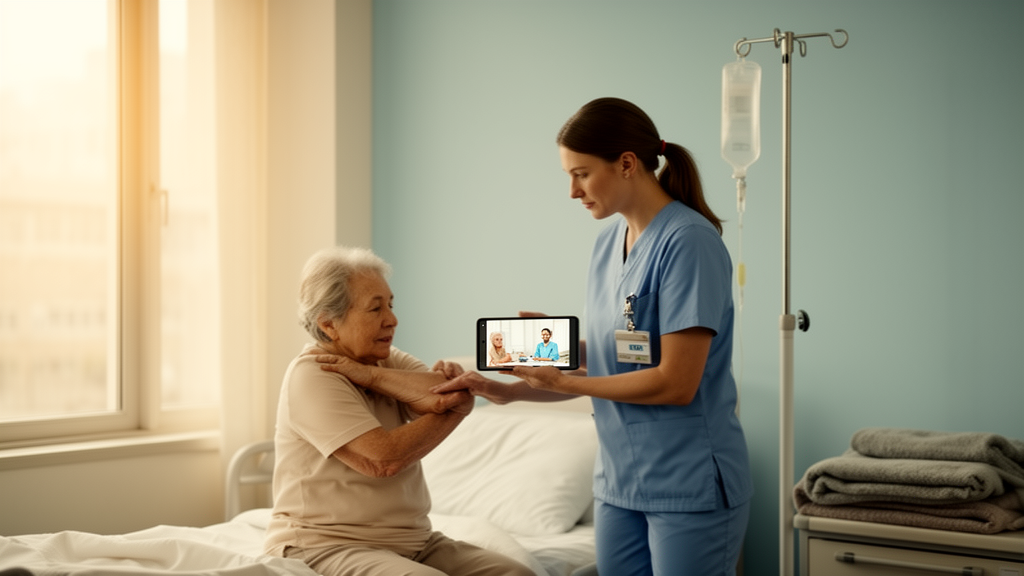
Bite-Sized Learning Emerges as a Powerful Tool for Physiotherapists at the Bedside

Bite-Sized Learning Emerges as a Powerful Tool for Physiotherapists at the Bedside

65
SHARES
587
VIEWS
Share on FacebookShare on Twitter
ADVERTISEMENT

A qualitative descriptive study found that physiotherapists view microlearning as a practical educational approach for clinical practice, but its use depends on factors including time, workload, content quality, clinical specificity, workflow integration and organizational support. The findings are reported in the abstract of an article published in BMC Medical Education on 28 September 2026.

Physiotherapists were invited to share their experiences and perspectives on microlearning through open-ended survey questions. Researchers analyzed the responses using reflexive thematic analysis with an inductive approach to identify patterns of meaning. The study examined perceived barriers and facilitators, as well as participants’ views about knowledge retention and clinical decision-making; it did not measure objective learning outcomes or establish the effects of microlearning on clinical performance.

Reported barriers included time constraints, workload pressures, concerns about content quality and limited clinical specificity. Participants identified integration into clinical workflows, ease of access and organizational support as facilitators. Case-based learning, visual content and interactive elements were described as important features for enhancing knowledge retention. The abstract reports that physiotherapists perceived microlearning as a form of just-in-time cognitive support that could support rapid recall of clinical information and decision-making at the point of care.

Engagement with credible and contextually relevant content was associated with increased confidence and perceived improvements in patient safety. These are perceptions reported by participants rather than demonstrated improvements in safety or patient outcomes. The authors state that longitudinal and mixed-methods studies should examine microlearning’s integration into physiotherapy education and its impact on knowledge retention, clinical decision-making and practice. Because the supplied evidence is limited to the article abstract, details about participant numbers, recruitment, setting and the full survey instrument are not available here.

Subject of Research: Physiotherapists’ perceived barriers, facilitators and clinical implications of microlearning

Article Title: Microlearning in physiotherapy practice: a qualitative study on barriers, facilitators, and implications for knowledge retention and clinical decision-making

Article References: Shalabi, K., Alsharif, Z., Almubarak, K., Almalki, R., Almathami, S., Alhakami, B., Almurdi, M., & Albasha, N. (2026). Microlearning in physiotherapy practice: a qualitative study on barriers, facilitators, and implications for knowledge retention and clinical decision-making. BMC Medical Education. https://doi.org/10.1186/s12909-026-10488-0

Image Credits: AI Generated

DOI: 10.1186/s12909-026-10488-0

Keywords: microlearning, physiotherapy, continuing professional development, qualitative study, knowledge retention, clinical decision-making, patient safety, thematic analysis, practice, qualitative, barriers, facilitators

Cite Scienmag News

Courtney Benton. (October 20, 2026). Physiotherapists identify barriers and facilitators for microlearning in clinical practice. Scienmag. https://scienmag.com/physiotherapists-identify-barriers-and-facilitators-for-microlearning-in-clinical-practice/


Courtney Benton. "Physiotherapists identify barriers and facilitators for microlearning in clinical practice." Scienmag, 20 October 2026, https://scienmag.com/physiotherapists-identify-barriers-and-facilitators-for-microlearning-in-clinical-practice/. Accessed 20 October 2026.

Courtney Benton. "Physiotherapists identify barriers and facilitators for microlearning in clinical practice." Scienmag. October 20, 2026. https://scienmag.com/physiotherapists-identify-barriers-and-facilitators-for-microlearning-in-clinical-practice/

Tags: barriersbarriers to microlearning adoption in clinical settingscase-based learning in physiotherapyclinical decision-makingclinical practice microlearning implementationcognitive support and rapid recall in physiotherapycontinuing professional developmentfacilitatorsimproving clinical decision-making through microlearningintegrating microlearning into clinical workflowsknowledge retentionmicrolearningorganizational support for microlearningpatient safetyPhysiotherapists microlearning barriers and facilitatorsphysiotherapyphysiotherapy education and knowledge retentionPracticequalitativequalitative studyqualitative study on healthcare professional learningthematic analysistime management challenges in clinical trainingvisual and interactive content for clinical education
Share26Tweet16
Previous Post

Correlational study links mathematics beliefs and metacognition with spatial reasoning in 95 Indonesian junior high students

Next Post

Small donor study links altered SLC14A1 transcripts with weak Jka antigen presentation

Related Posts

Beliefs and Metacognition Drive Junior High Students’ Spatial Reasoning, Study Finds
Science Education

Correlational study links mathematics beliefs and metacognition with spatial reasoning in 95 Indonesian junior high students

October 20, 2026
What Doctors and Nurses Really Know About a Silent Lung Disease of Premature Babies
Science Education

Questionnaire study associates healthcare professionals’ BPD knowledge with positive attitudes

October 20, 2026
Contextual Multimedia Boosts Arabic Learning Interest in University Students
Science Education

Indonesian university study links contextual Kotobee multimedia to higher Arabic-learning interest, with limited generalizability

October 20, 2026
AI and Virtual Reality Training Boosts Medical Students’ Feedback Skills, Trial Finds
Science Education

AI- and VR-supported learning configurations linked to higher feedback-literacy scores in randomized medical-student trial

October 20, 2026
Accounting Students Rate Their Skills Highly, But Gaps in Tech and Conflict Resolution Persist
Science Education

Ghanaian accounting students report acceptable but uneven technical and professional skills

October 20, 2026
When the Operating Rooms Went Quiet: Neurosurgery Trainees in Malaysia Confront a Pandemic
Science Education

Experiences and challenges of neurosurgical residents during the COVID 19 pandemic in Sabah Malaysia

October 20, 2026
Next Post
Hidden RNA Errors May Explain Why Some Blood Donors Slip Past Standard Typing Tests

Small donor study links altered SLC14A1 transcripts with weak Jka antigen presentation

  • Mothers who receive childcare support from maternal grandparents show more optimized

    Mothers who receive childcare support from maternal grandparents show more parental warmth, finds NTU Singapore study

    27656 shares
    Share 11059 Tweet 6912
  • University of Seville Breaks 120-Year-Old Mystery, Revises a Key Einstein Concept

    1061 shares
    Share 424 Tweet 265
  • Bee body mass, pathogens and local climate influence heat tolerance

    682 shares
    Share 273 Tweet 171
  • Researchers record first-ever images and data of a shark experiencing a boat strike

    546 shares
    Share 218 Tweet 137
  • Groundbreaking Clinical Trial Reveals Lubiprostone Enhances Kidney Function

    531 shares
    Share 212 Tweet 133
Science

Embark on a thrilling journey of discovery with Scienmag.com—your ultimate source for cutting-edge breakthroughs. Immerse yourself in a world where curiosity knows no limits and tomorrow’s possibilities become today’s reality!

RECENT NEWS

  • Small donor study links altered SLC14A1 transcripts with weak Jka antigen presentation
  • Physiotherapists identify barriers and facilitators for microlearning in clinical practice
  • Correlational study links mathematics beliefs and metacognition with spatial reasoning in 95 Indonesian junior high students
  • KG-LSTM model diagnoses English learning behavior patterns with 92% accuracy in junior high school study

Categories

  • Agriculture
  • Anthropology
  • Archaeology
  • Athmospheric
  • Biology
  • Biotechnology
  • Blog
  • Bussines
  • Cancer
  • Chemistry
  • Climate
  • Earth Science
  • Editorial Policy
  • Marine
  • Mathematics
  • Medicine
  • Pediatry
  • Policy
  • Psychology & Psychiatry
  • Science Education
  • Science News
  • Social Science
  • Space
  • Technology and Engineering

Subscribe to Blog via Email

Enter your email address to subscribe to this blog and receive notifications of new posts by email.

Join 5,150 other subscribers

© 2025 Scienmag - Science Magazine

Welcome Back!

Login to your account below

Forgotten Password?

Retrieve your password

Please enter your username or email address to reset your password.

Log In
No Result
View All Result
  • HOME
  • SCIENCE NEWS
  • CONTACT US

© 2025 Scienmag - Science Magazine

Discover more from Science

Subscribe now to keep reading and get access to the full archive.

Continue reading