


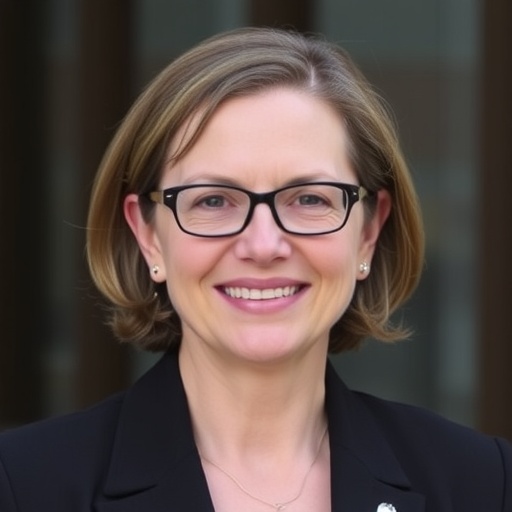
BOSTON, MA — Aug. 7, 2026 — Ariel Feldstein, chief scientific officer of Internal Medicine at Pfizer, will be a featured speaker at the 13th Aging Research & Drug Discovery Meeting, known as ARDD 2026, as the field of longevity science moves rapidly from academic theory toward clinical development and commercial drug pipelines. The meeting is scheduled for Oct. 1–3 at the David Rubenstein Treehouse at Harvard University, bringing together researchers, clinicians, biotechnology executives, pharmaceutical leaders, entrepreneurs, investors and policymakers focused on the biology of aging and its translation into medicine.
Feldstein’s participation reflects the growing interest of major pharmaceutical companies in aging-related biology as a source of therapeutic opportunities. Rather than treating aging as a single disease, geroscience investigates the interconnected biological processes that increase vulnerability to multiple age-associated conditions. These processes can include cellular senescence, chronic inflammation, mitochondrial dysfunction, loss of proteostasis, epigenetic alterations, impaired tissue repair and declining immune function. Researchers increasingly hope that interventions aimed at these mechanisms could delay or reduce the risk of several diseases simultaneously, extending the period of life spent in good health rather than merely increasing total lifespan.
That scientific shift has created a new class of drug-development questions. Researchers must determine which biological features of aging are causally responsible for disease, which can be safely modified, and how those changes can be measured in humans. Potential indicators include molecular signatures in blood, DNA-methylation patterns, inflammatory markers, imaging measurements, physical-performance data and composite assessments of biological age. Yet a biomarker is not automatically a therapeutic target, and a change in biological age does not necessarily demonstrate that a treatment will prevent disease. Establishing clinically meaningful endpoints remains one of the central challenges facing longevity medicine.
“The biology of aging has become one of the most promising frontiers in biomedical science,” said Vadim Gladyshev, executive chair of ARDD and professor of medicine at Harvard University. He said the field must combine a deeper understanding of aging with the development of interventions that improve healthspan, the period of life spent in relatively good health. According to Gladyshev, progress will require collaboration across disciplines and sectors, because discoveries in molecular biology must ultimately be tested through rigorous translational and clinical research.
ARDD 2026 is being presented as a meeting point between those stages of discovery. Academic laboratories are investigating the molecular architecture of aging, while biotechnology companies are developing programs designed to influence senescent cells, immune aging, metabolic regulation, tissue regeneration and other age-related pathways. Pharmaceutical companies bring experience in medicinal chemistry, toxicology, clinical-trial design, manufacturing and regulatory strategy. Investors, meanwhile, are evaluating whether emerging longevity technologies can produce reproducible clinical benefits at a scale compatible with modern health-care systems.
The conference will include leaders from ten of the world’s major pharmaceutical companies and a broad network of sponsors from the pharmaceutical, biotechnology, nutrition, diagnostics, finance and consumer-health sectors. Insilico Medicine and Eli Lilly are identified as Tier 1 sponsors, with the McKinsey Health Institute serving as the sole knowledge partner. Additional sponsors include AbbVie, AniVC, AstraZeneca, BioAge Labs, Biocytogen, Cambrian Bio, Cyclarity Therapeutics, Dior, GlycanAge, Gordian Biotechnology, Human Longevity, the Institute for Healthier Living Abu Dhabi, LongeVC, Maxwell Biosciences, Nestlé, Tally Health and TruDiagnostic. Synaro Capital, The Cat Health Company and PranaGen Bioscience are supporting the meeting as Tier 4 sponsors, while Estée Lauder, Morgan Stanley, the Intrinsic Capacity Frailty & Sarcopenia Research Conference for Healthy Longevity and QuadraScope are listed as Tier 5 sponsors.
The commercial scale of that ecosystem illustrates how quickly longevity research has entered the mainstream of biomedical innovation. However, the expansion of investment also increases pressure on researchers and companies to distinguish scientifically validated approaches from premature claims. Aging is a complex, multiscale process, and interventions that appear beneficial in cells or laboratory animals may fail in humans because of differences in metabolism, immune response, disease history or treatment duration. For this reason, the most consequential discussions at meetings such as ARDD are likely to center on reproducibility, patient selection, safety, trial endpoints and the evidence required to show that a therapy changes clinically important outcomes.
Morten Scheibye-Knudsen, co-chair of ARDD and associate professor at the University of Copenhagen, said the meeting’s move to Boston marks a new stage for the conference. Boston and the surrounding region form one of the world’s most concentrated biomedical research and drug-development ecosystems, linking universities, hospitals, biotechnology companies and pharmaceutical organizations. Scheibye-Knudsen described ARDD 2026 as increasingly focused on translating discoveries into medicines, a transition that requires researchers to connect fundamental mechanisms of aging with practical therapeutic programs.
Alex Zhavoronkov, Ph.D., co-chair of ARDD and chief executive officer of Insilico Medicine, said the meeting has served for more than a decade as a platform for dialogue among academia, pharmaceutical companies, startups and investors. Insilico Medicine is officially organizing the 2026 event. The company’s role places the conference within a broader industry movement that uses artificial intelligence, large biological datasets and computational drug-discovery methods to identify targets and design candidate molecules. Such technologies may accelerate early research, but their value will ultimately depend on experimental validation and evidence from human studies.
ARDD is now in its 13th year and is described by its organizers as the world’s largest meeting dedicated to aging and longevity biotechnology. The 2026 program is intended to examine how advances in the biology of aging can be converted into research-and-development strategies and therapeutic candidates. The Nordic Aging Society, a nonprofit scientific organization dedicated to aging research and collaboration across the Nordic region and beyond, is supporting the meeting. With the field approaching a decisive phase—where molecular insights must be matched by clinical evidence—the Boston gathering will offer a high-profile test of whether longevity science can fulfill its promise of producing safer, more effective interventions for age-related disease and functional decline.
News Publication Date: Aug. 7, 2026
Web References: https://agingpharma.org; https://mediasvc.eurekalert.org/Api/v1/Multimedia/582b0698-c395-46ef-a16b-f659f75c72f4/Rendition/low-res/Content/Public
References: ARDD 2026 announcement provided by Insilico Medicine and the ARDD organizing committee; statements attributed to Vadim Gladyshev, Morten Scheibye-Knudsen and Alex Zhavoronkov.
Cite Scienmag News
Beatrice Stafford. (August 15, 2026). Pfizer’s Ariel Feldstein to Present at 13th ARDD Meeting in Boston. Scienmag. https://scienmag.com/pfizers-ariel-feldstein-to-present-at-13th-ardd-meeting-in-boston/
Beatrice Stafford. "Pfizer’s Ariel Feldstein to Present at 13th ARDD Meeting in Boston." Scienmag, 15 August 2026, https://scienmag.com/pfizers-ariel-feldstein-to-present-at-13th-ardd-meeting-in-boston/. Accessed 3 September 2026.
Beatrice Stafford. "Pfizer’s Ariel Feldstein to Present at 13th ARDD Meeting in Boston." Scienmag. August 15, 2026. https://scienmag.com/pfizers-ariel-feldstein-to-present-at-13th-ardd-meeting-in-boston/


