

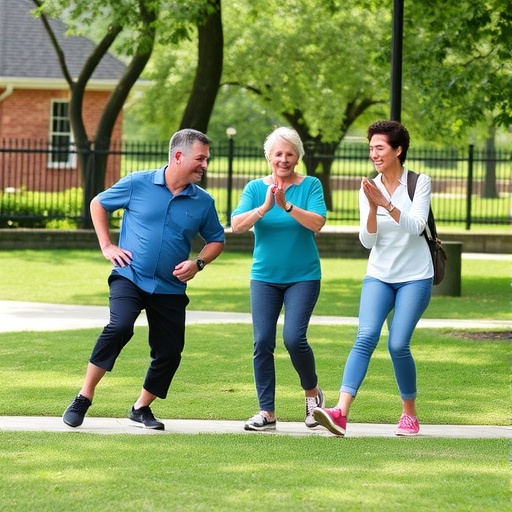
The link between physical activity levels among older adults and the characteristics of community parks is gaining attention in the field of geriatric health. A recent study conducted by a team of researchers, including Cai, Wang, and Qiu, sheds light on this intricate relationship, uncovering potential implications for public health policies aimed at enhancing the quality of life for senior citizens. By employing a configural path analysis, this research delves into various factors that influence the ways in which older adults engage with their environments, ultimately advocating for the design and maintenance of community parks that promote physical activity among this demographic.
As we age, maintaining physical health becomes increasingly crucial. Regular physical activity is associated with numerous benefits for older adults, including improved cardiovascular health, enhanced mental well-being, and a better overall quality of life. However, many older individuals struggle to find the motivation or opportunity to engage in physical activities. The built environment, particularly community parks, plays a significant role in facilitating or hindering these activities. The study by Cai and colleagues emphasizes the need to understand how various park characteristics influence physical activity levels in older adults.
The researchers utilized a configural path analysis, a sophisticated statistical method that allows for the examination of multiple pathways and interactions among variables simultaneously. This approach enabled the authors to identify not just direct associations but also the nuances of how different characteristics of community parks can intersect to influence older adults’ activity levels. Factors considered included park accessibility, safety, aesthetic appeal, facilities available, and the social environment that parks foster. Each of these elements contributes to the overall attractiveness of parks as venues for physical activity.
Accessibility emerged as a critical factor in the engagement of older adults with community parks. Parks that are within a reasonable walking distance from residential areas encourage more frequent visits. Conversely, parks that are difficult to access or isolated may deter older residents, thus limiting their opportunities for exercise. The implications of this finding suggest that urban planners and policymakers need to prioritize accessibility in park design, ensuring that parks are conveniently located within communities.
Safety also played a vital role in the study’s findings. Older adults are often concerned about their safety when engaging in physical activities outside their homes. Features such as well-lit paths, visible park staff, and active community engagement can significantly enhance the perception of safety in these environments. This research indicates that efforts to boost safety perceptions in parks could lead to increased physical activity levels among older adults.
Aesthetic appeal, often underestimated, was shown to have a substantial impact on the willingness of older adults to utilize parks for physical activity. Parks that feature vibrant gardens, water features, and interesting landscapes attract visitors and provide an inviting atmosphere for exercise. This finding aligns with broader research indicating that natural beauty in urban settings contributes to psychological well-being, which is particularly important in encouraging older adults to spend time outdoors and engage in physical activities.
Moreover, the presence of various facilities within parks—such as walking trails, exercise equipment, and benches—encourages older adults to partake in physical activities. Facilities that cater to their specific needs, such as shaded areas for rest and social interaction, are essential. The study reveals that parks designed with dedicated pathways for walking and jogging, accessible exercise equipment, and spaces for socialization significantly increase the likelihood of older adults incorporating physical activity into their daily routines.
Social interactions in community parks have implications that extend beyond mere physical exercise. The research underlines that parks serving as social hubs promote a sense of community and belonging among older adults. Participating in group activities or informal gatherings in parks not only provides physical benefits but also enhances emotional health, combating feelings of isolation and depression that can accompany aging. Thus, the social environment that parks foster can be seen as a crucial component in facilitating physical activity.
The study’s findings suggest that interventions aimed at improving park characteristics could be beneficial in enhancing physical activity levels among older adults. Policymakers and community organizers can work collaboratively to revamp existing park designs, introduce new amenities that cater specifically to older adults, and encourage community engagement. By doing so, they could potentially see a rise in physical activity, leading to improved health outcomes for this population.
Additionally, the research provides a strong foundation for further studies exploring additional variables that may influence physical activity levels among older adults. Factors such as socioeconomic status, cultural background, and personal health conditions are critical and merit deeper investigation. A comprehensive understanding of these influences will allow for a more tailored approach to park design and community health initiatives.
The implications of this research extend beyond academic interest. As communities grapple with aging populations, the need to create spaces that encourage healthy lifestyles becomes increasingly urgent. Investing in community parks not only serves the physical health of older adults but can also significantly reduce healthcare costs associated with inactivity-related diseases. Therefore, strategies that promote active aging and enhance the built environment are essential components of public health planning.
In conclusion, the findings from Cai, Wang, and Qiu’s research on the relationship between physical activity levels among older adults and community park characteristics highlight a critical avenue for improving the health of our aging population. By leveraging the insights gained from configural path analysis, communities can design parks that are not only aesthetically pleasing but also functional and safe, ultimately fostering environments that promote active lifestyles among older adults. The implications of this research could shape future urban planning and health policy developments, stressing the importance of accessible, safe, and engaging community parks as vital resources in aging societies.
The study serves as a clarion call to urban planners, community leaders, and health professionals to reimagine the role of public spaces in supporting healthy aging. As we look to the future, the integration of thoughtful park design with health initiatives could pave the way for a more vibrant, active, and connected older adult population, and in doing so, nurture the health of entire communities.
Subject of Research: The influence of community park characteristics on physical activity levels in older adults.
Article Title: The association between physical activity level in older adults and community park characteristics: a configural path analysis.
Article References:
Cai, Y., Wang, Q., Qiu, C. et al. The association between physical activity level in older adults and community park characteristics: a configural path analysis.
BMC Geriatr (2026). https://doi.org/10.1186/s12877-026-07051-3
Image Credits: AI Generated
DOI: 10.1186/s12877-026-07051-3
Keywords: Physical activity, older adults, community parks, health, urban planning, configural path analysis.


