


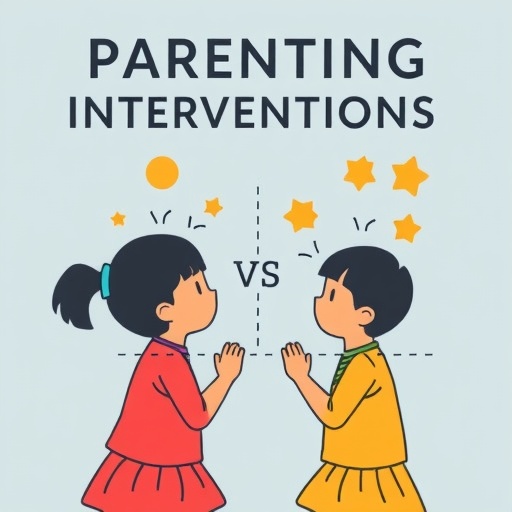
In the ever-evolving world of parenting strategies, the debate between behavioral interventions and those focused on attachment and emotional well-being has garnered significant attention from psychologists and child development experts alike. A new study by Jugovac and Pasalich dives deep into this ongoing discourse, offering insights into how these distinct methodologies are perceived by professionals in the field. Their research underscores the necessity for a nuanced understanding of the complexities associated with different parenting interventions.
The study begins by illuminating the theoretical foundations of behavioral interventions, which are primarily based on principles of behaviorism. Behavioral approaches emphasize observable actions and the modification of behaviors through reinforcement and consequences. By employing techniques rooted in operant conditioning, practitioners aim to encourage desirable behaviors while decreasing harmful ones. This approach has been widely adopted due to its simplicity and effectiveness in managing specific behavioral issues in children.
Conversely, attachment- and emotion-focused interventions pivot on the significance of emotional bonds and the parent-child relationship. These methods are informed by Attachment Theory, which posits that secure attachments formed in early childhood are critical for emotional regulation and social competence later in life. This paradigm shifts the focus from merely modifying behavior to fostering emotional connections and understanding the underlying feelings that drive behaviors. The study emphasizes that psychologists view these interventions as essential to promoting long-term mental health and emotional resilience in children.
Jugovac and Pasalich’s research seeks to unravel the preferences of psychologists when it comes to choosing between these two intervention strategies. Through a comprehensive survey, they gathered data on the perspectives of numerous professionals, revealing a trend where many psychologists favor attachment- and emotion-focused approaches over traditional behavioral methods. This inclination suggests a growing acknowledgment of the intricate emotional needs of children, alongside their behavioral challenges.
One key finding of the study indicates that psychologists believe attachment-focused strategies not only address immediate behavioral issues but also help cultivate emotional intelligence in children. By encouraging parents to understand their children’s feelings, these interventions foster an environment where children can express themselves and learn to manage their emotions constructively. This emphasis on emotional literacy is seen as a vital skill that will benefit children throughout their lives.
Furthermore, the researchers discuss the implications of these findings for practical applications in therapy and parenting programs. As professionals continue to advocate for a shift towards more holistic approaches, it is crucial for educational systems and community programs to integrate the principles of attachment theory into their curricula. By equipping parents with tools to foster secure attachments, we can pave the way for healthier emotional and behavioral development in children.
The study also touches upon the challenges that psychologists face in implementing emotion-focused interventions. With societal pressures often prioritizing quick behavioral fixes, professionals may find it difficult to encourage parents to invest time in building emotional connections. Jugovac and Pasalich stress the importance of continued education for parents, highlighting the need for resources that clarify the long-term benefits of attachment-based strategies.
An essential aspect of this research involves understanding the long-term effects of the different interventions. The authors cite numerous studies suggesting that children who grow up in attachment-rich environments are more likely to develop secure relationships in their adult lives, exhibiting less anxiety and higher resilience to stressors. The potential for decreased rates of mental health issues in these children further underscores the argument for prioritizing emotional learning and attachment strategies in parenting.
In contrast, while behavioral interventions may yield quicker results in modifying specific behaviors, Jugovac and Pasalich caution against solely relying on these methods. They argue that neglecting the emotional components of parenting can lead to an emotional disconnect, hindering children’s ability to develop healthy coping mechanisms. This critique serves as a reminder that while behavior change is important, it should not come at the expense of emotional growth.
Overall, the research presents compelling evidence for embracing a more integrative approach to parenting interventions. By recognizing that both behavior and emotions play crucial roles in child development, psychologists can lead the way in creating balanced strategies that equip parents with the tools they need for fostering healthy, well-rounded children. Moreover, a broader acceptance of attachment-focused strategies can enhance therapeutic practices across the board.
As the study concludes, Jugovac and Pasalich call for a re-evaluation of the frameworks currently used in parenting interventions, noting that a more extensive synthesis of behavioral, attachment, and emotional learning methods could yield superior outcomes for children. This innovative outlook not only adds depth to the existing literature but also underscores the dynamic nature of parenting practices in contemporary society.
In summary, the research highlights a fundamental shift in psychological perspectives towards parenting interventions. As scholars continue to explore the intricate interplay between behavior and emotion, the need for adaptable strategies that embody both approaches becomes ever more pressing. Insights from Jugovac and Pasalich’s study illuminate the path forward, advocating for parenting practices that are rooted in a deep understanding of emotional development and attachment.
Ultimately, the findings of this research invite not just professionals but also parents to reflect on their approaches to parenting. A growing awareness of the importance of fostering emotional connections alongside managing behavior could lead to enriched family dynamics and healthier future generations.
This study promises to stir conversations within both academic and parental communities, urging a more informed approach to parenting intervention strategies. With pressing implications for child development, the dialogue surrounding attachment and emotional intelligence as pivotal factors in parenting will only continue to strengthen in relevance and urgency.
As the complexities of child development unfold through various frameworks, the insights gained from Jugovac and Pasalich’s research could become vital in shaping the future landscape of parenting strategies, ensuring that both behavioral and emotional needs of children are met with compassion and understanding.
Cite Scienmag News
Glenn Wilkins. (January 28, 2026). Parenting Interventions: Behavior vs. Emotion-Focused Insights. Scienmag. https://scienmag.com/parenting-interventions-behavior-vs-emotion-focused-insights/
Glenn Wilkins. "Parenting Interventions: Behavior vs. Emotion-Focused Insights." Scienmag, 28 January 2026, https://scienmag.com/parenting-interventions-behavior-vs-emotion-focused-insights/. Accessed 4 September 2026.
Glenn Wilkins. "Parenting Interventions: Behavior vs. Emotion-Focused Insights." Scienmag. January 28, 2026. https://scienmag.com/parenting-interventions-behavior-vs-emotion-focused-insights/


