


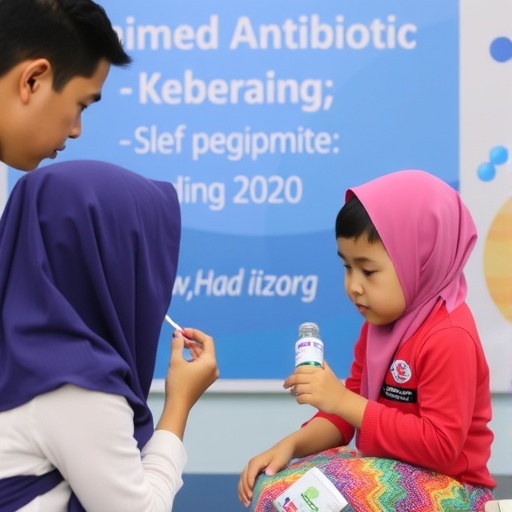
In a landscape where resistance to antibiotics is mounting, a groundbreaking study sheds light on a pressing issue: parental knowledge, attitudes, and practices regarding the self-medication of antibiotics for children. Conducted in Bandung, Indonesia, this detailed research encapsulates a questionnaire-based survey together with a module-based learning intervention, aiming to address the rising concern over irresponsible antibiotic use among parents. By focusing on a demographic that significantly influences children’s health outcomes, the study opens the door to understanding broader health practices and the potential for educational interventions.
The landscape of antibiotic resistance is evolving rapidly, with the World Health Organization flagging it as one of the top ten global health threats. In low- and middle-income countries, inappropriate antibiotic use is particularly alarming due to misconceptions surrounding bacterial infections and antibiotic treatment. The researchers, spearheaded by Pitaloka and colleagues, first conducted a comprehensive survey, meticulously designed to extract data on the knowledge, attitudes, and self-reported practices of parents regarding antibiotics. This foundational step was crucial for identifying key gaps and misconceptions that contribute to this public health crisis.
One of the most striking findings from the initial phase of the survey was the prevalent misunderstanding around the distinction between bacterial and viral infections. Many parents surveyed believed that antibiotics could treat a wide variety of ailments, including common viral infections like the cold or influenza. This misconception not only endangers the health of children but also contributes to the broader issue of antibiotic resistance, as unnecessary prescriptions lead to increased bacterial resistance.
Furthermore, the team noticed a significant correlation between parental education levels and knowledge about antibiotics. Those with higher educational attainment demonstrated a better understanding of antibiotics’ appropriate use. However, even among educated participants, there was a gap in awareness about the long-term consequences of antibiotic misuse. This revelation highlighted the urgent need for targeted educational strategies that can bridge the knowledge gap across different socioeconomic groups.
In response to the alarming findings, the authors proposed a module-based learning intervention aimed at enhancing parents’ understanding and responsible decision-making regarding antibiotic use in children. This intervention consisted of workshops, informational materials, and follow-up discussions. The educational modules were designed to tackle common myths and provide straightforward, science-backed information on when antibiotics are necessary and the potential risks associated with their misuse.
The results of this intervention were noteworthy. Parents who participated in the educational program exhibited marked improvements in their knowledge and attitudes towards antibiotic use. They showed a noticeable shift in their willingness to consult healthcare professionals rather than resorting to self-medication. This transformative approach underscored the importance of education as a viable tool in combating antibiotic misuse and safeguarding children’s health.
Furthermore, behavioral changes were quantifiable. Survey results indicated a significant reduction in the rate of home-stored antibiotics among participants who underwent the intervention, showcasing a decline in hazardous self-medication practices. Such a decrease not only improved individual health practices but also suggested potential long-term benefits for public health at large.
The authors emphasized that for education to be effective, it must be ongoing and community-focused. They recommended continuous public health campaigns that utilize various platforms, including social media, to normalize consultation with healthcare providers and discourage self-medication. The importance of engaging healthcare professionals in this educational initiative also cannot be understated, as they play a central role in guiding and informing parents in their health decisions.
With healthcare systems wresting with the growing burden of antibiotic resistance, the implications of this study extend beyond local or national contexts. The findings resonate on a global scale, urging countries to reevaluate their educational strategies concerning antibiotic use, particularly among parents of young children. As nations grapple with healthcare crises exacerbated by antibiotic resistance, such studies are critical in shaping effective policies and interventions that can lead to tangible improvements in public health outcomes.
In conclusion, Pitaloka and her colleagues have reported vital findings that illuminate an urgent issue: the necessity of nuanced public education about antibiotic use among parents. By combining research with impactful interventions, they have paved a path toward a health-conscious society that values responsible medication practices and prioritizes children’s wellbeing. The study not only enhances our understanding of the knowledge gaps that exist but also demonstrates the power of education in shifting attitudes and practices surrounding health.
As we move forward, it is essential to adopt strategies informed by evidence, ensuring that parents are well-equipped to make informed decisions about their children’s health. These concerted efforts will be crucial in combating antibiotic resistance and safeguarding future generations from avoidable health risks.
By prioritizing education and community engagement, we can promote better health practices, reduce the incidence of inappropriate antibiotic use, and ultimately, foster a healthier global community. This study offers a model that could inspire similar initiatives in various contexts, underscoring the universal need for increased awareness and responsible health practices.
Cite Scienmag News
Ophelia Keating. (September 26, 2025). Parental Antibiotic Self-Medication Awareness in Bandung. Scienmag. https://scienmag.com/parental-antibiotic-self-medication-awareness-in-bandung/
Ophelia Keating. "Parental Antibiotic Self-Medication Awareness in Bandung." Scienmag, 26 September 2025, https://scienmag.com/parental-antibiotic-self-medication-awareness-in-bandung/. Accessed 4 September 2026.
Ophelia Keating. "Parental Antibiotic Self-Medication Awareness in Bandung." Scienmag. September 26, 2025. https://scienmag.com/parental-antibiotic-self-medication-awareness-in-bandung/


