


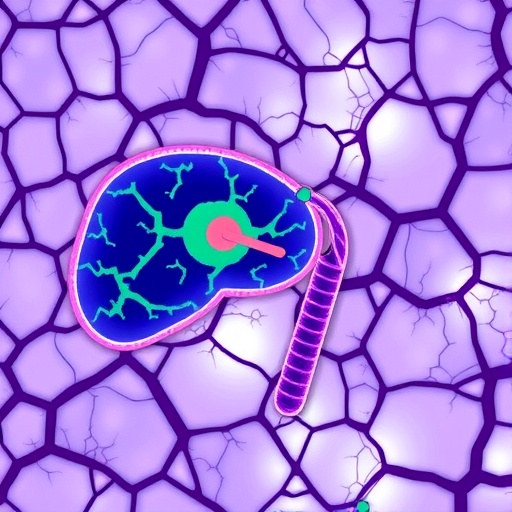
Liver metastases are among the most difficult complications of advanced cancer. Unlike many other organs, the liver is continuously exposed to nutrients arriving from the digestive system and has evolved an immune environment that limits excessive inflammation. That combination can make it a fertile destination for disseminated tumour cells. A new study published in Nature Metabolism reports that one abundant liver nutrient, the fatty acid palmitate, may help metastatic cancer cells disable an important arm of antitumour immunity.
The researchers found that palmitate supports liver metastasis not only by feeding tumour-cell metabolism, but also by reshaping communication between cancer cells and neutrophils. Neutrophils are best known as rapid-response immune cells that can attack microbes, but they can also kill cancer cells through toxic granules, reactive molecules and other effector mechanisms. In the liver metastatic environment, however, the study indicates that cancer cells can use a palmitate-dependent pathway to make neutrophils less effective.
The central molecular player is DHHC17, a palmitoyltransferase encoded by the gene ZDHHC17. Palmitoyltransferases attach palmitate to proteins, a reversible lipid modification that can alter a protein’s stability, location, interactions or secretion. The study found that breast and colorectal cancer cells that colonize the liver depend on DHHC17 to stabilize laminin-511, a protein complex in the extracellular matrix. Stabilized laminin-511 can then be secreted by the cancer cells into their surroundings.
Laminin-511 is composed of laminin subunits that help organize the tissue environment and influence how cells adhere, migrate and communicate. In the context of liver metastases, its role appears to extend beyond structural support. The investigators observed that neutrophils exposed to laminin-511 reduced their cancer-cell-killing activity. This suggests that the extracellular matrix produced by metastatic cancer cells can function as an immune-regulatory signal, effectively converting a local tissue component into a shield against immune attack.
The relationship was particularly striking in the liver. Cancer cells capable of forming liver metastases required ZDHHC17 for efficient metastatic growth, whereas the same dependency was not observed when the cells spread to the lung. This organ-specific pattern is consistent with the idea that the nutrient environment of a tissue can determine which tumour adaptations are advantageous. The liver’s supply of palmitate may provide the biochemical conditions needed for the DHHC17–laminin-511 pathway to operate efficiently.
To test whether neutrophils were responsible for the metastatic effect, the researchers silenced ZDHHC17 in cancer cells. This reduced liver metastasis formation or growth when neutrophils were present. When neutrophils were absent or their antitumour functions were otherwise limited, the benefit of ZDHHC17 silencing was lost. These findings place neutrophils between the tumour-cell pathway and the reduction in metastatic burden, rather than suggesting that DHHC17 acts only through cancer-cell proliferation.
The experiments also provided a functional rescue of the proposed mechanism. Introducing laminin-511 into metastases formed by ZDHHC17-silenced cancer cells restored metastatic growth. Similarly, blocking neutrophil degranulation, the process by which neutrophils release cytotoxic contents, also reversed the suppressive effect of ZDHHC17 loss. Together, these observations support a model in which palmitate enables cancer cells to produce and secrete laminin-511, laminin-511 dampens neutrophil antitumour behaviour, and weakened neutrophil activity allows liver metastases to expand.
The findings highlight a broader principle in cancer biology: nutrients in the tumour microenvironment can influence disease not only through energy production and biosynthesis, but also through immune regulation. Palmitate is a saturated fatty acid involved in membrane formation, protein modification and cellular signalling. By linking palmitate availability to extracellular-matrix production and neutrophil suppression, the study connects metabolism, tumour architecture and immune escape in a single metastatic pathway.
The work remains preclinical, and several questions will need to be answered before the mechanism can be translated into therapy. It is not yet clear how palmitate levels vary among human liver metastases, whether DHHC17 activity can be safely inhibited, or how blocking laminin-511 would affect normal liver architecture and wound repair. Neutrophils can also have both protective and tumour-promoting roles, meaning that broadly suppressing their activity could produce unwanted consequences. Nevertheless, targeting the DHHC17–laminin-511 axis, altering tumour lipid handling or restoring neutrophil degranulation could eventually offer new strategies against liver metastases from breast, colorectal and possibly other cancers.
Cite Scienmag News
Nathaniel Bowman. (August 5, 2026). Palmitate Drives Liver Metastasis by Suppressing Neutrophils’ Antitumour Activity. Scienmag. https://scienmag.com/palmitate-drives-liver-metastasis-by-suppressing-neutrophils-antitumour-activity/
Nathaniel Bowman. "Palmitate Drives Liver Metastasis by Suppressing Neutrophils’ Antitumour Activity." Scienmag, 5 August 2026, https://scienmag.com/palmitate-drives-liver-metastasis-by-suppressing-neutrophils-antitumour-activity/. Accessed 4 September 2026.
Nathaniel Bowman. "Palmitate Drives Liver Metastasis by Suppressing Neutrophils’ Antitumour Activity." Scienmag. August 5, 2026. https://scienmag.com/palmitate-drives-liver-metastasis-by-suppressing-neutrophils-antitumour-activity/


