


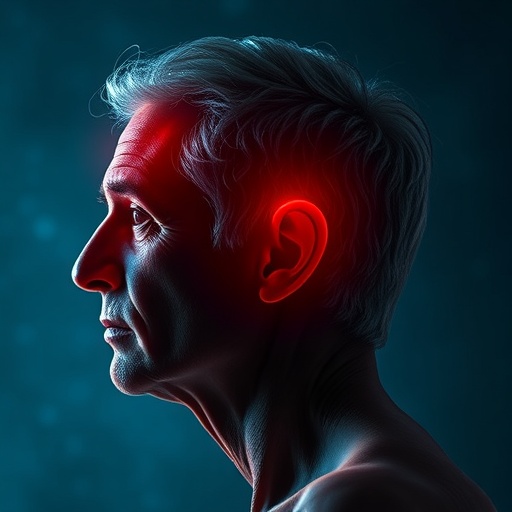
Depression in later life is often described as a mental-health problem, but a new study in Nature Mental Health draws attention to a physical factor that may reshape how social inequality influences emotional well-being: pain. Researchers N.N. Mendes Neto and J.M. Mendes examine the moderating role of pain in socioeconomic gradients of late-life depression, exploring how income, education, and social position may interact with persistent physical discomfort to affect the risk of depression among older adults.
The study addresses a long-standing pattern in public health: people with fewer socioeconomic resources generally experience higher rates of depression. This relationship, known as a socioeconomic gradient, has been observed across age groups and countries. In later life, however, the connection can become especially complex. Retirement, reduced mobility, bereavement, chronic illness, social isolation, and changes in financial security can all influence mental health at the same time. Pain may act as an additional force, intensifying the effects of disadvantage or altering how those effects appear across different social groups.
Pain is not simply a symptom that exists independently of mental health. Persistent pain can affect sleep, movement, concentration, appetite, and the ability to participate in social activities. It can also limit a person’s independence and make routine tasks feel physically and psychologically demanding. Over time, these disruptions may contribute to depressive symptoms. Depression, in turn, can heighten sensitivity to pain, reduce physical activity, and make recovery more difficult, creating a feedback loop in which physical and emotional suffering reinforce one another.
The concept of moderation is central to the researchers’ approach. In statistical terms, a moderating variable changes the strength or direction of the relationship between two other variables. In this case, pain may influence how strongly socioeconomic circumstances are associated with depression. If pain amplifies the gradient, economic and social disadvantage could be linked to a much greater depression burden among older adults living with significant pain. If it weakens or reshapes the gradient, the relationship may look different across levels of pain, revealing that social inequality does not affect all older people in the same way.
This perspective moves beyond the idea that socioeconomic status and pain are separate risk factors that can simply be added together. A conventional analysis might estimate the independent contribution of income or education and then separately measure the effect of pain. An interaction-based analysis asks a more precise question: does the impact of socioeconomic conditions depend on whether a person is experiencing pain? That distinction matters because two older adults with similar incomes may face very different mental-health risks if one can move freely and sleep comfortably while the other lives with persistent pain.
The findings are potentially important for the design of depression-prevention strategies in ageing populations. If pain changes the socioeconomic pattern of depression, screening for mood disorders may need to be paired with systematic assessment of pain severity, duration, location, and functional consequences. A brief question about whether someone is in pain may not be enough. Clinicians may also need to understand whether pain prevents mobility, disrupts sleep, restricts social contact, or makes it difficult to access medical care and community support.
The research also highlights the importance of treating pain as a social and public-health issue rather than only a medical complaint. Access to pain specialists, physiotherapy, rehabilitation, assistive devices, mental-health care, and safe housing is unevenly distributed. Older adults with limited financial resources may face longer waits, fewer transportation options, and greater difficulty paying for treatments or adapting their homes. These barriers can transform a manageable condition into a chronic source of disability and psychological distress.
At the same time, the relationship between pain and depression is unlikely to be explained by a single mechanism. Biological processes, including inflammation, changes in the nervous system, and disrupted stress regulation, may contribute to both conditions. Psychological responses such as fear of movement, hopelessness, and loss of control can also play a role. Social pathways are equally significant: pain can reduce contact with friends and family, while poverty can restrict access to supportive environments. Together, these mechanisms may help explain why older adults facing both disadvantage and pain can be especially vulnerable.
The study’s broader message is that late-life depression should not be viewed solely through an individual psychological lens. Emotional suffering in older age can reflect the interaction of bodies, environments, and social systems. By examining pain as a moderator of socioeconomic inequalities, Mendes Neto and Mendes point toward a more integrated model of ageing—one in which effective depression care may require treating physical symptoms, reducing barriers to support, and addressing the conditions that determine who can obtain relief. As populations age worldwide, understanding these connections could become essential to preventing depression before pain and disadvantage become locked into a self-perpetuating cycle.
Cite Scienmag News
Glenn Wilkins. (August 6, 2026). Pain Moderates Socioeconomic Inequalities in Late-Life Depression. Scienmag. https://scienmag.com/pain-moderates-socioeconomic-inequalities-in-late-life-depression/
Glenn Wilkins. "Pain Moderates Socioeconomic Inequalities in Late-Life Depression." Scienmag, 6 August 2026, https://scienmag.com/pain-moderates-socioeconomic-inequalities-in-late-life-depression/. Accessed 27 October 2026.
Glenn Wilkins. "Pain Moderates Socioeconomic Inequalities in Late-Life Depression." Scienmag. August 6, 2026. https://scienmag.com/pain-moderates-socioeconomic-inequalities-in-late-life-depression/


