


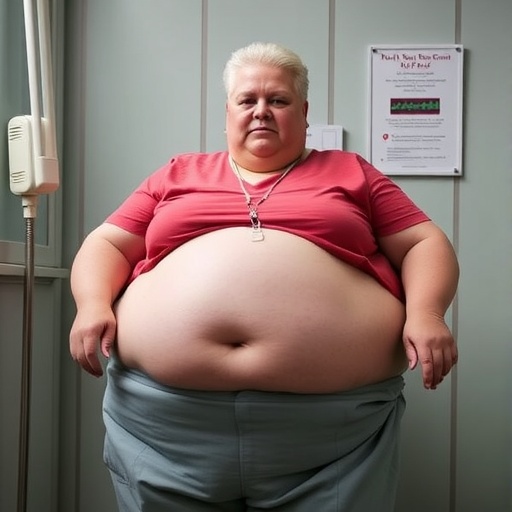
In a groundbreaking investigation revealed by Northwestern Medicine, patients with severe obesity—specifically those weighing 450 pounds or more—are confronting significant systemic barriers and overt discrimination when attempting to access subspecialty medical care. Through the innovative secret-shopper methodology, researchers probed the accessibility and willingness of subspecialty clinics to accommodate patients with high body mass indexes (BMI). This study, poised to be published in the Annals of Internal Medicine, exposes a troubling landscape where more than half of surveyed clinics fail to provide fundamental accommodations essential for the care of bariatric patients.
The research team methodically simulated appointment scheduling scenarios for hypothetical patients weighing 465 pounds, presenting with urgent health concerns across five critical medical subspecialties: dermatology, endocrinology, obstetrics and gynecology, orthopedic surgery, and otolaryngology. These interactions took place in clinics spanning four major metropolitan hubs: Boston, Cleveland, Houston, and Portland. Remarkably, despite the hypothetical patients’ full mobility and capacity to independently mount examination tables, an alarming 41% of clinics declined to schedule their appointments outright, signaling a pervasive reluctance to serve this vulnerable population.
Beyond refusals, the study uncovered that 52% of these clinics lacked infrastructure adequately designed for high-weight patients. This includes the absence of sturdily constructed exam tables and chairs, insufficiently wide hallways and doorways, waiting-room seating that cannot support extreme weight, and the non-availability of appropriately sized gowns. The implications are profound: for a significant subset of patients, basic access to examination environments is inhibited, undermining both physical comfort and the integrity of clinical assessments.
Otolaryngology practices emerged as the most exclusionary, with less than half of the surveyed clinics agreeing to schedule visits. This reticence is particularly alarming given that the simulated patients presented symptoms indicative of potential cancer risk, as identified through specific symptomatology and imaging data communicated during appointment requests. The failure to accommodate and adequately prioritize these high-risk patients suggests a critical lapse in preventive care and early diagnosis, compounding the adverse outcomes associated with obesity-related health disparities.
Conversely, endocrinology practices demonstrated relatively enhanced preparedness and willingness to provide care, suggesting variations across specialties in both attitudes and infrastructural readiness to support patients with severe obesity. Nonetheless, only 39% of total surveyed practices met all the stipulated criteria for accessibility, underlining an urgent need for systemic reforms. The remaining clinics either precluded patient appointments or resorted to substandard accommodation strategies—such as requiring patients to stand during examinations or use unfit draping solutions—practices that are both medically inadequate and ethically questionable.
This study’s senior author, Dr. Tara Lagu, an adjunct lecturer at Northwestern University Feinberg School of Medicine, underscores the psychological and social ramifications of such systemic deficiencies. Patients living with severe obesity often grapple with stigma, shame, and complex healthcare navigation challenges. The additional burden of physically and emotionally exclusionary medical environments exacerbates health inequities, potentially deterring patients from seeking necessary care and perpetuating a cycle of neglect.
Dr. Molly Hales, a physician contributing to the research, asserts that these findings likely underestimate the problem’s breadth. Many patients pose the hypothesis that few are aware to proactively inquire about accommodations based on weight, and that the social stigmatization surrounding obesity can discourage self-advocacy. This dynamic perpetuates a hidden crisis of inaccessible healthcare, where silent suffering and healthcare avoidance prevail.
An especially disconcerting aspect unveiled by the investigation pertains to clinical staff interactions. Frontline receptionists and medical office personnel frequently delivered stigmatizing and exclusionary comments, including declarations that a clinic had “reached its limit for bariatric patients,” without justification or alternative pathways to care. In certain instances, patients seeking orthopedic consultations were redirected to bariatric surgeons, implicitly pathologizing weight over presenting health concerns and delaying specialized treatment.
This pattern betrays a fundamental lack of training, awareness, and preparedness within medical clinics to address the needs of this growing demographic. Researchers advocate for widespread implementation of validated tools such as the Clinical Environment Checklist for Accommodating Patients with Obesity in Ambulatory Care Settings. This checklist, though underutilized, offers a comprehensive framework for clinics to evaluate and enhance their physical and procedural capacity for inclusive care.
The clinical implications extend to preventative health measures, with prior studies evidencing that patients with obesity are systematically less likely to receive routine cancer screenings and preventive care services. This differential access contributes to delays in diagnosis, increased morbidity, and exacerbated health disparities. The current study amplifies these findings by demonstrating that even with clear indicators of urgent medical needs, patients with severe obesity encounter persistent gatekeeping and neglect in subspecialty care.
Given these revelations, there is an exigent call for structural reforms, encompassing both physical infrastructure enhancements and robust cultural competency and anti-bias training for healthcare personnel. Such initiatives must redefine standards of care to explicitly include the accommodation of patients across the BMI spectrum, ensuring equitable access to timely, dignified, and effective medical treatment.
While the study’s scope was confined to urban centers, its implications bear even greater significance for rural healthcare systems, where subspecialty resources are simultaneously scarcer and less equipped. For this reason, strategies to improve bariatric patient care access must adapt to diverse clinical settings, balancing resource limitations with the imperative of equitable, patient-centered care.
Patients with severe obesity represent a substantial and growing segment of the population, with nearly one million adults in the United States exhibiting a BMI of 60 or greater. Addressing the intersecting physical, institutional, and attitudinal barriers they face is critical not only to improving individual outcomes but also to upholding the ethical foundation of healthcare as an inclusive, universally accessible service.
This study’s revelations challenge the medical community to re-examine entrenched practices and prioritize interventions that dismantle inequities undermining the health of high-weight individuals. Through committed efforts toward infrastructural adequacy and compassionate engagement, the healthcare system can begin to transform from a source of exclusion to a bastion of comprehensive support.
Cite Scienmag News
Courtney Benton. (September 29, 2025). Over 40% of Specialty Clinics Refuse Patients Weighing 465 Pounds or More. Scienmag. https://scienmag.com/over-40-of-specialty-clinics-refuse-patients-weighing-465-pounds-or-more/
Courtney Benton. "Over 40% of Specialty Clinics Refuse Patients Weighing 465 Pounds or More." Scienmag, 29 September 2025, https://scienmag.com/over-40-of-specialty-clinics-refuse-patients-weighing-465-pounds-or-more/. Accessed 4 September 2026.
Courtney Benton. "Over 40% of Specialty Clinics Refuse Patients Weighing 465 Pounds or More." Scienmag. September 29, 2025. https://scienmag.com/over-40-of-specialty-clinics-refuse-patients-weighing-465-pounds-or-more/


