


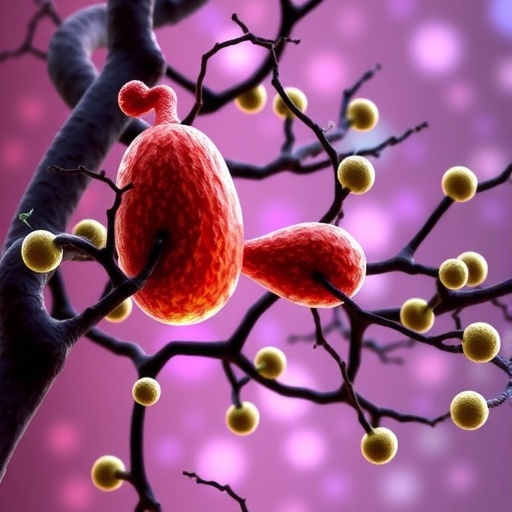
In a groundbreaking study poised to reshape our understanding of environmental health and metabolic disease, researchers have uncovered compelling evidence linking persistent organic pollutants (POPs) to dysfunction of pancreatic beta cells, a crucial factor in diabetes. Published in Nature Communications, the research by Hoyeck, Ching, Palaniyandi, and colleagues delves into the biochemical interplay between accumulated pollutants in human pancreatic tissue and key markers indicative of impaired insulin production. This novel correlation brings fresh insight into how chemical exposures might silently drive metabolic disorders worldwide.
Persistent organic pollutants are highly stable chemical compounds that resist environmental degradation and bioaccumulate through the food chain. These pollutants include substances such as polychlorinated biphenyls (PCBs), dioxins, and certain pesticides, all notorious for their longevity and toxicity. Their ubiquity in the environment has led to widespread human exposure, often through dietary intake of contaminated animal fats. Historically, concerns around POPs have centered on carcinogenicity and hormonal disruption, but this latest research directs attention to subtler, yet devastating, metabolic consequences of such contamination.
The pancreas is a metabolically critical organ responsible for regulating blood glucose levels via insulin secretion from its beta cells. Beta cells operate as glucose sensors; they finely tune insulin output in response to blood sugar fluctuations, thereby maintaining homeostasis. Dysfunction or destruction of these cells underlies the pathogenesis of type 1 and type 2 diabetes alike. Until now, explanations for beta cell impairment have revolved around genetic susceptibility, inflammatory processes, and nutrient overload. The integration of persistent organic pollutant accumulation as a pathological driver reveals a crucial missing link, highlighting environmental toxins as silent disruptors of cellular metabolism.
Quantitative analysis in the study reveals a strong positive correlation between the concentration of various POPs within pancreatic tissue samples and markers indicative of beta cell stress and dysfunction. Markers such as proinsulin-to-insulin ratios, oxidative stress indicators, and inflammatory cytokine expression were elevated in individuals exhibiting higher pancreatic pollutant loads. This finding suggests that the chemical burden borne by beta cells may compromise their capacity to synthesize and secrete insulin effectively, preceding overt clinical manifestations of diabetes.
The mechanisms postulated by the authors underscore a multifaceted assault on beta cell integrity induced by POPs. These toxicants may interfere with mitochondrial function within beta cells, generating reactive oxygen species (ROS) that inflict oxidative damage. They may also perturb intracellular signaling pathways essential for insulin gene transcription and secretion. Moreover, POPs might trigger low-grade local inflammation within pancreatic islets, perpetuating a vicious cycle of cellular stress and impaired function. Such mechanistic insights provide compelling targets for therapeutic intervention and risk mitigation.
The methodology employed in the study is meticulous and comprehensive. Human pancreatic tissue was sourced post-mortem, ensuring direct measurement of pollutant burden rather than relying on surrogate markers. State-of-the-art mass spectrometry techniques quantified pollutant concentrations with high specificity and sensitivity, while concurrent biochemical assays quantified beta cell functionality markers. This rigorous dual-pronged approach assures the robustness and clinical relevance of the findings.
Beyond the direct scientific implications, the study raises urgent public health concerns. POP contamination is largely anthropogenic, resulting from industrial activity, pesticide application, and waste mismanagement. The persistence and bioaccumulation of these chemicals mean that populations globally, including those in ostensibly clean environments, face ongoing exposure. This research thus amplifies calls for stricter environmental regulations and more comprehensive monitoring of chemical pollutants to safeguard metabolic health at the population level.
The interplay between environmental pollutants and noncommunicable diseases such as diabetes delineates a new frontier in epidemiology and preventive medicine. Traditional paradigms have underestimated the breadth of contributors to metabolic dysfunction, often prioritizing lifestyle factors alone. By illuminating the chemical drivers rooted in environmental exposures, this study advocates for a holistic approach integrating environmental health with endocrinology, paving the way for novel strategies to lower disease incidence.
Further investigations are warranted to establish causality and to unravel the temporal dynamics of pollutant accumulation and beta cell deterioration. Longitudinal human studies and mechanistic experiments in cellular and animal models will be critical to validate these associations and identify critical windows of vulnerability. Understanding these dynamics may enable early interventions to halt or slow the progression of diabetes linked to environmental insults.
The potential for personalized medicine approaches also emerges from these findings. Individual variability in pollutant metabolism and beta cell resilience suggests that specific genetic or epigenetic factors may mediate susceptibility. Biomarkers of POP exposure alongside beta cell health indicators could stratify risk and tailor prevention or treatment protocols, enhancing clinical outcomes in diabetes care through precision environmental health frameworks.
In addition to direct effects on beta cells, POPs may influence other components of metabolic regulation, including peripheral insulin sensitivity and adipose tissue function. The systemic nature of pollutant toxicity emphasizes the intricacy of metabolic disorders and the challenges in disentangling multifactorial etiologies. An integrated systems biology perspective will be essential to comprehensively model the impact of environmental pollutants on human metabolism.
The discovery also reinvigorates debate on global chemical safety and human health priorities. Despite international treaties such as the Stockholm Convention aimed at eliminating or restricting POPs, legacy pollutants continue to circulate in ecosystems and food chains. The persistence of these compounds underscores the urgency for innovative remediation technologies and sustainable chemical management policies that extend beyond initial use to encompass entire life cycles.
Ultimately, this research highlights the pancreas as target organ in environmental toxicology, sparking a paradigm shift that may influence regulatory frameworks and inspire new diagnostic and therapeutic avenues. The revelation that persistent organic pollutants are not merely passive contaminants but active participants in pancreatic beta cell dysfunction opens novel horizons for multidisciplinary research and policy action addressing the convergence of pollution and metabolic disease epidemics.
By exposing these hidden risks, the study empowers clinicians, scientists, and policymakers to collaborate toward reducing exposure burden. Public awareness campaigns and community interventions informed by this research could catalyze behavioral and societal changes to curtail pollutant entry into human systems. As diabetes prevalence continues to escalate globally, acknowledging and mitigating environmental contributors represents an indispensable pillar in combating this pervasive health crisis.
The findings propel the scientific community to rethink interactions between environmental toxicants and chronic diseases. The intricate dance of chemical exposures and cellular physiology uncovered points to a wider, more insidious role of pollution in shaping human health trajectories. This landmark study thus reframes diabetes not only as a metabolic disorder but as an environmental disease, expanding our conception and approach to prevention and treatment in the 21st century.
Cite Scienmag News
Ophelia Keating. (April 15, 2026). Organic Pollutants Linked to Pancreatic Beta Cell Dysfunction. Scienmag. https://scienmag.com/organic-pollutants-linked-to-pancreatic-beta-cell-dysfunction/
Ophelia Keating. "Organic Pollutants Linked to Pancreatic Beta Cell Dysfunction." Scienmag, 15 April 2026, https://scienmag.com/organic-pollutants-linked-to-pancreatic-beta-cell-dysfunction/. Accessed 4 September 2026.
Ophelia Keating. "Organic Pollutants Linked to Pancreatic Beta Cell Dysfunction." Scienmag. April 15, 2026. https://scienmag.com/organic-pollutants-linked-to-pancreatic-beta-cell-dysfunction/


