


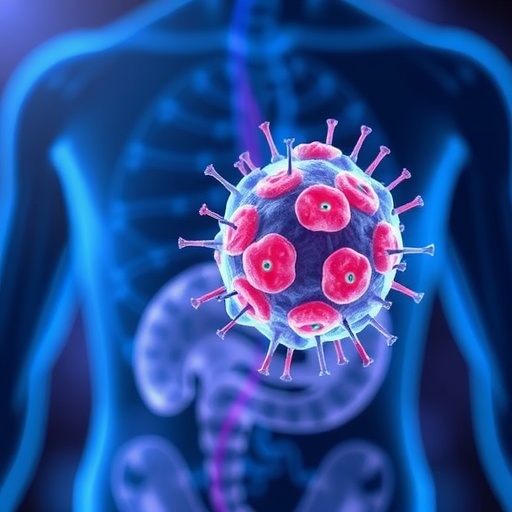
Han, Cho, Takahashi and colleagues have reported a potential new way to strengthen cancer immunotherapy from inside the gut: an orally administered nanotechnology system designed to deliver a metabolite produced by intestinal microbes. According to the study, published in Nature Nanotechnology, this approach enhances the “stemness” of T cells, a biological property associated with long-term immune persistence, self-renewal and the ability to generate powerful cancer-fighting descendants. The work connects three rapidly advancing fields—microbiome science, nanomedicine and cellular immunotherapy—in an effort to overcome one of the central limitations of current cancer treatments: the gradual exhaustion of immune cells after they enter battle.
T cells are essential components of the adaptive immune system. Once activated, they can recognize abnormal cells and destroy them, but their effectiveness depends not only on how strongly they respond but also on how long they remain functional. T cells with stem-like characteristics can renew themselves and produce more differentiated effector cells, which are better equipped for immediate attack. This creates a division of labor within the immune response: stem-like T cells help maintain the population, while their progeny carry out the short-term assault on tumors. Preserving this reservoir may therefore improve the durability of therapies such as immune checkpoint blockade and adoptive T-cell treatments.
The study focuses on a gut microbial metabolite, a small molecule generated or modified by bacteria living in the intestine. Gut microbes influence immunity through metabolites that can enter circulation and affect distant tissues, including the bone marrow, lymphoid organs and tumor microenvironment. Yet translating these naturally occurring signals into a reliable medicine is difficult. Many metabolites are unstable, rapidly absorbed or metabolized, poorly transported to the tissues where they are needed, or active only within a narrow concentration range. Delivering such compounds by mouth adds another challenge because the digestive tract exposes them to acidity, enzymes, mucus barriers and extensive chemical transformation before they reach the bloodstream.
Nanoparticle-based delivery is intended to address those obstacles. A nanoscale carrier can protect a therapeutic molecule during its passage through the gastrointestinal tract, improve its solubility and control when and where it is released. Depending on the material and surface chemistry, nanoparticles may also interact with intestinal mucus, cross the epithelial barrier or influence immune cells associated with the gut. In this case, the researchers used an oral nano-delivery strategy to transport the microbial metabolite, turning a molecule originating in the microbiome into a more controllable therapeutic input. The central concept is not to replace the microbiome, but to reproduce or amplify one of its potentially beneficial chemical messages.
The reported outcome is an enhancement of T-cell stemness, a state regulated by a complex network of metabolic, epigenetic and transcriptional processes. Stem-like T cells tend to retain the capacity for self-renewal and show molecular features distinct from terminally differentiated effector cells. Their behavior is influenced by nutrient availability, mitochondrial function, inflammatory signaling and chromatin organization. A microbial metabolite could affect these pathways directly by binding to a receptor, altering an enzyme’s activity or changing the availability of metabolic intermediates used in gene regulation. The nanoformulation may increase the consistency of that signal, allowing immune cells to receive it at a biologically useful level rather than as a brief or poorly absorbed pulse.
This strategy addresses a familiar paradox in cancer immunotherapy. Strong stimulation can produce an impressive early response, but persistent antigen exposure, suppressive signals and nutrient competition inside tumors can push T cells toward dysfunction or exhaustion. Treatments that simply intensify activation may therefore produce immune cells that burn brightly but fail to persist. By contrast, encouraging a stem-like state could create a renewable source of tumor-reactive cells. Such cells may continue to divide, migrate and generate effector populations over time, potentially complementing therapies that release inhibitory brakes on the immune system.
An oral medicine could also offer practical advantages over many existing cell-based or injectable therapies. Adoptive T-cell treatments require cells to be collected from a patient or donor, engineered or expanded under highly controlled laboratory conditions, and then reinfused. Manufacturing is complex, expensive and difficult to scale. An orally administered formulation would not eliminate the need for diagnosis, treatment planning or monitoring, but it could make microbiome-inspired immune modulation easier to deliver repeatedly. Oral dosing may also permit more flexible combination strategies, including use alongside checkpoint inhibitors or other treatments that depend on a sustained population of competent T cells.
The study’s importance extends beyond the specific formulation because it illustrates a broader shift in cancer research. Scientists are increasingly treating the microbiome as a biochemical ecosystem rather than merely a collection of organisms. Instead of asking only which bacterial species are present, researchers are examining the molecules those organisms produce, how the compounds are absorbed and which host pathways they influence. Nanotechnology provides a way to separate the beneficial signal from the unpredictability of the living community. It may eventually allow clinicians to deliver defined microbial metabolites even when a patient’s gut microbiome has been altered by diet, antibiotics, disease or previous cancer treatment.
Important questions remain before such an approach can be considered a clinical therapy. The supplied report identifies the delivery concept and its effect on T-cell stemness, but broader evaluation would need to establish how the formulation behaves in the human digestive tract, how consistently the metabolite reaches circulation and whether its immune effects are sustained. Researchers must also determine the optimal dose, the relevant target cells and the extent to which treatment depends on a patient’s existing microbiome. Safety will be crucial: manipulating immune persistence can be beneficial against tumors, but excessive or misdirected immune activity could increase inflammation or autoimmune risk. Nanoparticle composition, accumulation in organs and long-term clearance will require equally careful assessment.
For now, the findings position oral nanomedicine as a promising bridge between microbial chemistry and cancer immunology. Rather than attempting to engineer every immune cell outside the body, the approach seeks to create conditions that help the patient’s own T cells remain capable of renewal and response. If future studies confirm that the treatment is safe, reproducible and effective in clinically relevant settings, a gut-derived molecule delivered through a carefully designed nanoparticle could become part of a new class of immunotherapies. The larger message is that the next generation of cancer treatments may not rely solely on blocking tumor signals or adding more immune stimulation; they may also focus on preserving the cellular memory, endurance and regenerative capacity that allow an immune response to last.
Cite Scienmag News
Nathaniel Bowman. (August 25, 2026). Oral Nanodelivery of Gut Microbial Metabolite Boosts T-Cell Stemness in Cancer Immunotherapy. Scienmag. https://scienmag.com/oral-nanodelivery-of-gut-microbial-metabolite-boosts-t-cell-stemness-in-cancer-immunotherapy/
Nathaniel Bowman. "Oral Nanodelivery of Gut Microbial Metabolite Boosts T-Cell Stemness in Cancer Immunotherapy." Scienmag, 25 August 2026, https://scienmag.com/oral-nanodelivery-of-gut-microbial-metabolite-boosts-t-cell-stemness-in-cancer-immunotherapy/. Accessed 3 September 2026.
Nathaniel Bowman. "Oral Nanodelivery of Gut Microbial Metabolite Boosts T-Cell Stemness in Cancer Immunotherapy." Scienmag. August 25, 2026. https://scienmag.com/oral-nanodelivery-of-gut-microbial-metabolite-boosts-t-cell-stemness-in-cancer-immunotherapy/


