


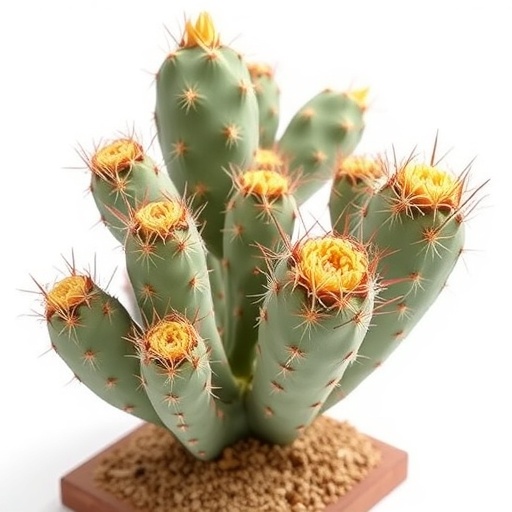
The increasing ubiquity of plastics in aquatic environments has emerged as one of the most pressing environmental challenges of the 21st century. Among these plastics, polyethylene microplastics have surfaced as particularly concerning due to their pervasive nature and intricate interaction with aquatic life. A recent study led by a team of researchers, including Sun, Y., Zhang, Q., and Deng, Q., meticulously investigates the detrimental effects of polyethylene microplastics on juvenile carp, a foundational species in many aquatic ecosystems. The findings of this study, while alarming, also point to the potential of a natural remedy derived from the cactus species Opuntia Milpa alta which could alleviate some of the harm inflicted by these microplastics.
The study begins by establishing the scope of plastic pollution in aquatic habitats. It highlights that microplastics, tiny plastic particles less than five millimeters in size, have infiltrated every nook and cranny of our water systems. From remote Arctic regions to urban waterways, these pollutants are not only prevalent but are also being ingested by various aquatic organisms, leading to bioaccumulation and potential disruptions in food webs. The widespread presence of such pollutants raises significant concerns regarding the health of aquatic biodiversity and the safety of the human food supply, particularly because fish remains a staple protein source for billions of people globally.
The impact of polyethylene microplastics on juvenile carp was examined using a series of controlled exposure experiments. Researchers employed a methodical approach, exposing groups of juvenile carp to varied concentrations of polyethylene microplastics for set durations. Key physiological and behavioral indicators of stress were monitored throughout to assess the severity of the impact. The results were stark: juvenile carp exposed to these microplastics exhibited significant changes in behavior, including decreased feeding rates and altered swimming patterns. These findings suggest that microplastics could impair vital survival behaviors, possibly leading to higher mortality rates in wild populations.
Moreover, the study meticulously documented the physiological effects resulting from microplastic exposure. Histopathological analyses revealed detrimental changes in the gills and gastrointestinal tracts of the exposed fish, indicating that the microplastics were not merely passing through the digestive systems of these aquatic animals. Instead, they were penetrating tissues, potentially causing long-term damage. Such findings are alarming, as they underscore the notion that microplastic pollution is not just a superficial concern but a deep-rooted threat that could compromise the health of marine ecosystems.
In an intriguing turn, the study also explored the potential ameliorative properties of Opuntia Milpa alta extract. Known for its high antioxidant and anti-inflammatory properties, this extract was administered to a subset of juvenile carp exposed to polyethylene microplastics. Remarkably, results indicated that the extract was able to mitigate some of the harmful effects of microplastic exposure. Fish that received the extract showed improved feeding behaviors and reduced indicators of physiological stress compared to their untreated counterparts.
The researchers believe that Opuntia Milpa alta extract could serve as a potential natural remedy in safeguarding aquatic life from the damaging impacts of microplastic pollution. This discovery is particularly exciting, as it highlights not only the need to reduce plastic usage but also the importance of finding sustainable solutions for damaged ecosystems. Future research will be necessary to fully understand the mechanisms through which Opuntia Milpa alta exerts its protective effects on fish, potentially paving the way for the development of environmentally friendly intervention strategies.
The findings of this study, published in Environmental Engineering, contribute significantly to our understanding of microplastic pollution and its repercussions on aquatic biodiversity. They also underscore an urgent call to arms for policymakers, researchers, and the public alike. Solutions to this global crisis require collaborative efforts that encompass research, regulation, and public awareness. Reducing our plastic consumption and implementing better waste management practices are crucial steps forward, but so too is the exploration of natural solutions that can enhance the resilience of affected species.
As microplastics continue to infiltrate our waters, jeopardizing the health of key species like juvenile carp, it becomes increasingly clear that immediate action is necessary. The duality of this research—disclosing the harm caused by microplastics while also illuminating a natural pathway to mitigation—offers a glimmer of hope amidst an otherwise daunting dilemma. Future studies will be critical in further elucidating the far-reaching impacts of microplastic pollution across various aquatic ecosystems and exploring the efficacy of other natural extracts or remedies.
Collectively, the alarming effects of polyethylene microplastics on juvenile carp and the potential remedial roles of natural extracts provide vital insights into the challenges posed by environmental pollution. These findings not only shed light on the complexity of human impacts on aquatic systems but also signify the resilience and potential of our natural world to recover when provided with the right support and intervention.
As we endeavor to combat pollution, the revelations from this study invite us to rethink our relationship with plastics and nature. The road to recovery may be long and fraught with challenges, but with continued research and innovation, we may yet find our way toward healthier, more sustainable aquatic environments for generations to come.
Sun, Y., Zhang, Q., Deng, Q. et al. The damaging effects of polyethylene microplastics exposure on juvenile carp and the ameliorative role of Opuntia Milpa alta extract. ENG. Environ. 20, 7 (2026). https://doi.org/10.1007/s11783-026-2107-y
Cite Scienmag News
Violet Maxwell. (January 20, 2026). Opuntia Milpa Alta Extract Mitigates Polyethylene Microplastic Harm. Scienmag. https://scienmag.com/opuntia-milpa-alta-extract-mitigates-polyethylene-microplastic-harm/
Violet Maxwell. "Opuntia Milpa Alta Extract Mitigates Polyethylene Microplastic Harm." Scienmag, 20 January 2026, https://scienmag.com/opuntia-milpa-alta-extract-mitigates-polyethylene-microplastic-harm/. Accessed 5 September 2026.
Violet Maxwell. "Opuntia Milpa Alta Extract Mitigates Polyethylene Microplastic Harm." Scienmag. January 20, 2026. https://scienmag.com/opuntia-milpa-alta-extract-mitigates-polyethylene-microplastic-harm/


