


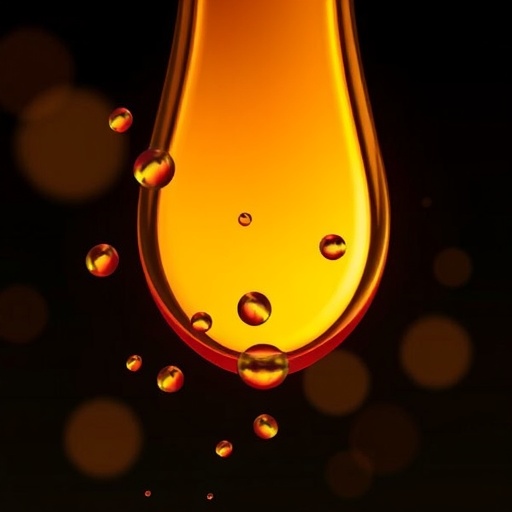
In a groundbreaking study recently published, researchers have illuminated a significant issue that has persisted in environmental science: the underappreciation of oil droplets in risk assessments related to oil spills and their ecological consequences. The paper, authored by Frøysa, Nepstad, Sørhus, and their colleagues, makes a compelling case that oil droplets are often overlooked, leading to an incomplete understanding of the risks associated with oil contamination in aquatic environments. Analyzing the chemical properties and behavior of these droplets, the study delves into their effects on marine ecosystems, highlighting an urgent need for reevaluation of current risk assessment methods.
When considering oil spills, the immediate focus often rests on the larger oil slicks that are visible on water surfaces. However, this study emphasizes that much of the oil released into the ocean actually breaks down into tiny droplets, which can behave quite differently than their larger counterparts. These droplets can remain suspended in the water column for extended periods, posing a significant risk to aquatic organisms that inadvertently ingest or absorb them. The authors argue that, due to this persistent presence, oil droplets can have long-lasting effects on marine life, extending far beyond the immediate aftermath of an oil spill.
The study further discusses the complexities of oil droplet behavior in water. Unlike larger oil patches that can be relatively easier to track and contain, smaller droplets can diffuse over vast areas and be subjected to various forms of degradation through photochemical processes. This phenomenon complicates clean-up efforts and poses challenges for environmental monitoring programs, which often focus on the more visible and easily quantifiable aspects of oil pollution. The authors suggest that an enhanced understanding of droplet dynamics is critical for improving the efficacy of response measures to oil spills.
One significant finding of the research is the chemical transformation that oil droplets undergo once released into the marine environment. As these droplets fragment, they can change in chemical composition, altering their toxicity. The researchers pointed out that current risk assessments must incorporate these dynamic changes to accurately gauge the potential hazards posed by oil spills. By doing so, environmental scientists can better predict the scope of ecological damage and formulate more effective remediation strategies.
Moreover, the paper introduces persuasive data indicating that historical oil spill assessments have significantly underestimated the potential impact of oil droplets. By analyzing data from past spills, the researchers demonstrate how the neglect of droplet dynamics has led to flawed conclusions about the ecological consequences of oil exposure. They argue that regulatory frameworks must evolve to incorporate droplet behavior in order to create comprehensive risk assessment protocols that account for all facets of oil pollution.
The implications of this research extend beyond immediate environmental impact and touch on larger issues such as biodiversity loss and ecosystem resilience. The authors emphasize that failing to account for oil droplets could mean overlooking potential risks to critical fish species and other marine organisms that play foundational roles in their ecosystems. The study calls for interdisciplinary collaboration to create risk assessments that are robust enough to incorporate the complexities of oil droplet behavior and their ecological ramifications.
In addressing policy implications, the researchers encourage policymakers to take the findings of this study into account when developing regulations concerning oil extraction and transportation. By acknowledging that oil droplets can have widespread ramifications, policymakers could enact more stringent measures to prevent potential disasters that could arise from oil spills, thereby protecting marine life and ecosystems.
The study also highlights the necessity for improved monitoring technologies that are sensitive to oil droplets and their transformations in the marine environment. The authors advocate for the development of innovative tools and methodologies that can measure the presence and distribution of oil droplets more accurately, helping to enhance the efficiency of response efforts during future oil spills.
Furthermore, public awareness is a crucial aspect of combating the challenges posed by oil pollution. The researchers underscore the importance of educating communities, particularly those in coastal regions, about the risks of oil spills and the role of oil droplets. Awareness can empower local populations to engage in proactive conservation efforts and advocate for policies that protect their marine ecosystems.
The authors conclude by urging for a paradigm shift in how oil spill preparedness and response strategies are conceived. They argue that incorporating the complexities of oil droplet dynamics into risk assessments is not merely a scientific necessity, but a moral imperative aimed at preserving the health of our oceans and their inhabitants. This study serves as a vital reminder that in our quest for ecological understanding, we must not overlook the small details that can have profound impacts on the world around us.
The research embodies a call to action for environmental scientists, policymakers, and the public alike to take a more holistic view of oil pollution. By embracing a more nuanced understanding of oil droplets and their implications, we can take significant strides toward mitigating the impacts of oil spills and preserving the delicate balance of marine ecosystems for generations to come.
In summary, this innovative study beckons a reassessment of long-standing practices in environmental monitoring and oil spill response. As a critical contributor to our understanding of oil contamination, it paves the way for future research and dialogues that adopt a more comprehensive framework for evaluating the risks associated with oil exposure. The conversation surrounding oil spills is far from over, and if this research inspires even a fraction of change in the environmental policies of today, it could lead to a future where our oceans are better protected from the threats of oil pollution.
Frøysa, H.G., Nepstad, R., Sørhus, E. et al. Oil droplets are severely overlooked in risk assessments.
Commun Earth Environ 6, 837 (2025). https://doi.org/10.1038/s43247-025-02805-0
Cite Scienmag News
Violet Maxwell. (October 24, 2025). Oil Droplets: A Neglected Risk Assessment Factor. Scienmag. https://scienmag.com/oil-droplets-a-neglected-risk-assessment-factor/
Violet Maxwell. "Oil Droplets: A Neglected Risk Assessment Factor." Scienmag, 24 October 2025, https://scienmag.com/oil-droplets-a-neglected-risk-assessment-factor/. Accessed 4 September 2026.
Violet Maxwell. "Oil Droplets: A Neglected Risk Assessment Factor." Scienmag. October 24, 2025. https://scienmag.com/oil-droplets-a-neglected-risk-assessment-factor/


