


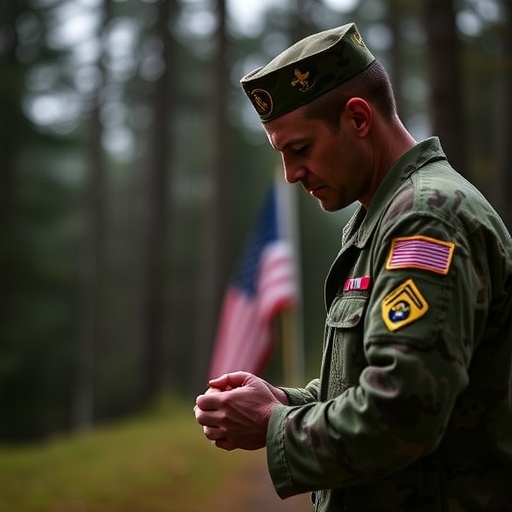
A groundbreaking and comprehensive study conducted by Oregon Health & Science University in collaboration with the Veterans Health Administration reveals an alarming and persistent elevation in suicidal behaviors among veterans diagnosed with cancer. This extensive longitudinal research, spanning nearly a decade and analyzing data from over 292,000 veterans, uncovers a critical and often underappreciated aspect of cancer survivorship: the enduring risk of suicide attempts long after initial treatment phases. Published in the prestigious journal JAMA Oncology, the findings emphasize that the psychological toll of a cancer diagnosis extends far beyond the moment of diagnosis and conventional clinical treatment timelines.
The study’s principal investigator, Dr. Donald R. Sullivan, an associate professor at OHSU’s School of Medicine, highlights the profound shock many veterans experience upon learning of their cancer diagnosis. While the trauma of a serious illness might be expected to precipitate immediate mental health concerns, this research articulates that the psychological stress and risk of suicidal self-directed violence remain elevated for years. These insights challenge the prevailing clinical approach that often confines psychological assessments to the period during active cancer treatment, underscoring the imperative need for ongoing psychosocial support.
In this investigation, researchers expanded the conventional scope to include both fatal and nonfatal suicide attempts—a methodology known in psychiatric epidemiology as assessing suicidal self-directed violence. Leveraging the VA’s unique and comprehensive suicide surveillance infrastructure enabled identification of nearly 2,400 suicide-related events, with a staggering 90 percent classified as nonfatal attempts. The calculated incidence rate of suicide attempts among veterans with cancer was 203 per 100,000 person-years, markedly surpassing rates observed in the general population. This quantitative revelation signifies an urgent public health concern that merits enhanced preventive interventions.
Temporal analysis disclosed that the highest incidence of suicide-related behaviors occurred within the first six months post-diagnosis. This early period is characterized by heightened existential distress, acute physical pain, and the initiation of complex treatment regimens that often provoke debilitating side effects. However, the study’s most striking finding is the persistent elevation of risk, which remains significantly above baseline for up to five years in some individuals. Such sustained vulnerability indicates that the psychosocial sequelae of cancer cannot be fully mitigated by survival alone, necessitating a paradigm shift in post-treatment care strategies.
Certain demographic and clinical characteristics were identified as determinants of heightened suicide risk. Veterans under the age of 45 emerged as a particularly vulnerable subgroup, presumably due to the intersection of cancer-related stress with pivotal life responsibilities including career advancement, family commitments, and financial stability. Additionally, female veterans demonstrated disproportionately elevated rates of nonfatal suicide attempts, challenging the notion that psychological resilience varies markedly by gender in the oncologic context. This gender disparity calls for nuanced screening approaches sensitive to differential psychosocial needs.
Race and ethnicity also influence suicide risk profiles. Veterans identifying as American Indian or Alaska Native were at notably increased risk, signaling potential disparities rooted in systemic barriers to comprehensive care, cultural stigma, or healthcare access challenges. Clinically, the type of cancer diagnosed further stratified risk levels. Cancers involving the brain and central nervous system, pancreas, head and neck, liver, and thyroid were associated with greater suicidal self-directed violence, possibly attributable to tumor location-related neurological impacts, prognostic severity, and treatment toxicity profiles.
The study also elucidated the complex interplay between physical symptoms, comorbid mental health conditions, and frailty in modulating suicide risk. Veterans burdened with chronic psychiatric illnesses, debilitating pain, or profound frailty exhibited the highest rates of suicide-related events, underscoring the importance of holistic, multidisciplinary care models. From a preventive perspective, pharmacological agents—particularly opioids prescribed for pain management—were predominantly implicated in nonfatal suicide attempts, while the use of firearms was prevalent in fatal cases, consistent with existing epidemiological research on veteran suicide.
Importantly, receipt of palliative care emerged as a protective factor against suicide-related events. Palliative care’s emphasis on symptom alleviation, psychosocial support, and advance care planning may attenuate the existential distress and physical suffering that act as precipitating factors for suicidal impulses. These data advocate for early integration of palliative interventions within the oncology care continuum, not just for terminal phases but as an essential component of survivorship care.
The study’s findings are undergirded by the VA’s extensive data collection systems, which offer unparalleled insights into veteran health outcomes. This robust surveillance allowed researchers to discern patterns and risk factors invisible in civilian healthcare settings. Such granular data emphasize the critical necessity for healthcare systems to adopt similarly rigorous tracking methodologies to identify at-risk populations and tailor interventional frameworks accordingly.
Conclusively, Dr. Sullivan and his colleagues emphasize that cancer care must transcend tumor-centric approaches, embracing comprehensive mental health assessment and support paradigms from initial diagnosis through long-term survivorship. The integration of routine suicide risk screening tailored to individual patient profiles—including age, cancer type, mental health history, and symptom burden—is imperative for mitigating preventable mortality and enhancing quality of life.
The study underscores a pressing call to action within oncologic and veteran healthcare sectors alike: to develop and deploy sustained psychosocial services addressing both the immediate and long-term mental health ramifications of a cancer diagnosis. In the words of OHSU President Shereef Elnahal, M.D., M.B.A., these findings offer invaluable guidance for clinicians, administrators, and policymakers charged with reducing the tragic toll of suicide among those who have served their country and now face formidable cancer battles.
If you or someone you know is experiencing suicidal thoughts or a mental health crisis, urgent resources are available. Call the National Suicide Hotline at 9-8-8 or visit SpeakingOfSuicide.com/resources for confidential support and assistance.
News Publication Date: 28-May-2026
Web References: http://dx.doi.org/10.1001/jamaoncol.2026.1459
Cite Scienmag News
Nathaniel Bowman. (May 28, 2026). OHSU Study Reveals Persistent Suicide Risk Among Veterans Battling Cancer. Scienmag. https://scienmag.com/ohsu-study-reveals-persistent-suicide-risk-among-veterans-battling-cancer/
Nathaniel Bowman. "OHSU Study Reveals Persistent Suicide Risk Among Veterans Battling Cancer." Scienmag, 28 May 2026, https://scienmag.com/ohsu-study-reveals-persistent-suicide-risk-among-veterans-battling-cancer/. Accessed 4 September 2026.
Nathaniel Bowman. "OHSU Study Reveals Persistent Suicide Risk Among Veterans Battling Cancer." Scienmag. May 28, 2026. https://scienmag.com/ohsu-study-reveals-persistent-suicide-risk-among-veterans-battling-cancer/


