


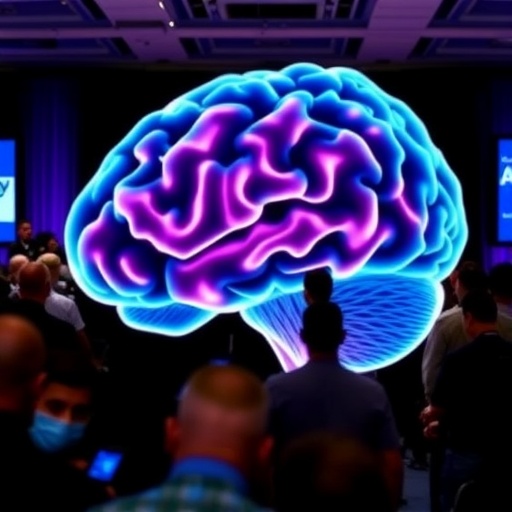
In April 2026, the prestigious American Academy of Neurology (AAN) annual meeting held in Chicago served as a platform for NYU Langone Health’s Department of Neurology to unveil its latest strides in clinical research and neurological science. This event showcased over eighty presentations that highlighted the department’s cutting-edge work in neuroscience, reinforcing NYU Langone’s status as a frontrunner in neurological innovation and patient care. The depth and rigor of the department’s research efforts underline a commitment to advancing the understanding and treatment of complex neurological conditions.
One of the spotlight presentations addressed the pervasive issue of medical misinformation, a growing concern in clinical practice that significantly affects patient outcomes. Dr. Jonathan E. Howard, a prominent neurologist and psychiatrist at NYU Langone, delivered a comprehensive analysis of how misinformation originates and propagates within communities. His talk went beyond identifying the problem, focusing intently on practical, evidence-based strategies that healthcare providers can implement to counteract misinformation. By empowering clinicians and patients alike with accurate, trustworthy information, the session sought to foster improved clinical decision-making and public health literacy.
The Department of Neurology also revealed promising advancements in epilepsy treatment through a landmark Phase 3 clinical trial known as X-TOLE2. Led by Dr. Jacqueline A. French, an eminent epileptologist, this trial tested azetukalner, a novel oral medication targeting focal onset seizures (FOS). The results demonstrated a remarkable median reduction in seizure frequency, with a 53.2 percent decrease in patients receiving a 25-milligram dose when compared to placebo. Notably, azetukalner exhibited a tolerable safety profile and did not necessitate titration, simplifying the treatment regimen for patients. The pharmaceutical sponsor, Xenon, plans to file for FDA approval later in 2026, potentially heralding a new era of seizure management.
Accessibility and inclusivity in healthcare remained at the forefront during presentations addressing the challenges faced by patients with disabilities. Dr. Mihir Kakara shared insights from an innovative qualitative study that examined how individuals using mobility aids navigate outpatient healthcare facilities. Employing a “go-along” observational methodology, the study meticulously documented barriers—from parking areas to examination rooms—that impede patient access and comfort. These systemic obstacles were linked to detrimental outcomes, including appointment cancellations and delayed care, underscoring the urgent need for infrastructural and policy reforms in medical environments to accommodate all patients effectively.
NYU Langone’s comprehensive approach to neurology extends beyond these topics, encompassing a diverse range of neurological disorders through its 18 divisions and centers. The institution’s repeated recognition by U.S. News & World Report as the nation’s top hospital in neurology and neurosurgery reflects its unparalleled integration of clinical excellence, research prowess, and educational leadership. Faculty members are not only prolific in research contributions but also dedicated educators who mentor the next generation of neurologists, students, and residents, ensuring sustained innovation and patient-centered care.
The presentations on medical misinformation highlighted the nuanced interplay between neurobiology, psychology, and social determinants of health. Dr. Howard elucidated how entrenched myths negatively influence patient adherence, symptom interpretation, and trust in medical systems. Counteracting such misinformation requires not only dissemination of factual knowledge but also an empathetic understanding of patient perspectives and societal influences. The session advocated for multidisciplinary collaboration involving neurologists, psychiatrists, and public health experts to develop scalable educational interventions and communication strategies.
The X-TOLE2 clinical trial’s success is particularly notable because azetukalner’s pharmacokinetic and pharmacodynamic profiles suggest a paradigm shift in epilepsy therapeutics. Its once-daily dosing and minimal drug-drug interactions alleviate common burdens associated with current antiepileptic drugs, such as stringent titration schedules and adverse effects. Dr. French emphasized that these attributes could enhance patient compliance and quality of life, potentially transforming clinical practice guidelines for focal onset seizures. As the FDA approval process advances, the neurology community eagerly anticipates integrating this agent into standard treatment protocols.
Dr. Kakara’s investigation into the lived experiences of disabled patients revealed systemic inadequacies often overlooked in healthcare design and operation. His study’s novel use of real-time tracking and interviews uncovers how physical, sensory, and procedural barriers converge to diminish healthcare accessibility. These findings resonate with broader efforts to implement Universal Design principles and stimulate legislative action aimed at equitable healthcare delivery. Enhancing accessibility not only benefits disabled patients but also addresses age-related functional declines prevalent in the growing elderly population.
NYU Langone’s sustained excellence is anchored in its fully integrated health system model, which delivers consistent quality across seven inpatient facilities and over 320 outpatient locations. Its research enterprise, bolstered by two tuition-free medical schools, fosters an environment where clinical innovation and education intersect seamlessly. This integration accelerates translational research, swiftly moving discoveries from the bench to the bedside. Notably, NYU Langone’s multidisciplinary teams collaborate across neurology, psychiatry, and rehabilitation, cultivating comprehensive care paradigms tailored to complex neurological disorders.
The AAN 2026 meeting also underscored NYU Langone’s commitment to addressing neurodegenerative diseases, multiple sclerosis, and related neurological disorders. By leveraging advances in neuroimaging, biomarker identification, and immunomodulatory therapies, the department is pioneering holistic approaches that target disease mechanisms while enhancing patient function and quality of life. These efforts align with global trends emphasizing precision neurology and personalized medicine, aiming to stratify patient populations for optimized therapeutic responses.
NYU Langone’s presence at the AAN meeting exemplifies how academic medical centers serve as crucibles for neurological discovery and clinical excellence. By presenting a spectrum of research spanning from combating misinformation to breakthrough therapies and healthcare accessibility, the department reinforces its role as a vanguard in neurology. This multidisciplinary synergy not only enriches scientific discourse but also translates into tangible improvements in patient care, embodying the mission to alleviate neurological suffering through innovation and empathy.
As the field of neurology advances rapidly, the insights shared by NYU Langone clinicians highlight the importance of integrating clinical research with real-world applicability. Effective communication, accessibility, and patient-centered therapeutic options emerge as pillars essential to evolving neurological care. The presentations at AAN 2026 illuminated pathways to address current challenges while charting a future where neurological diseases are more effectively understood, managed, and ultimately overcome.
Cite Scienmag News
Ophelia Keating. (April 19, 2026). NYU Langone Health Neurologists Unveil Latest Clinical Findings and Research at AAN 2026. Scienmag. https://scienmag.com/nyu-langone-health-neurologists-unveil-latest-clinical-findings-and-research-at-aan-2026/
Ophelia Keating. "NYU Langone Health Neurologists Unveil Latest Clinical Findings and Research at AAN 2026." Scienmag, 19 April 2026, https://scienmag.com/nyu-langone-health-neurologists-unveil-latest-clinical-findings-and-research-at-aan-2026/. Accessed 5 September 2026.
Ophelia Keating. "NYU Langone Health Neurologists Unveil Latest Clinical Findings and Research at AAN 2026." Scienmag. April 19, 2026. https://scienmag.com/nyu-langone-health-neurologists-unveil-latest-clinical-findings-and-research-at-aan-2026/


