


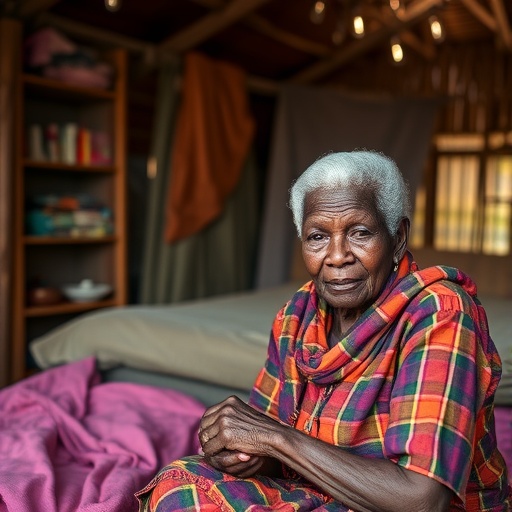
In a groundbreaking study conducted in Northern Uganda, researchers have unveiled striking insights into the dietary practices and nutritional status of older individuals, a demographic that often bears the brunt of inadequate nutrition. This cross-sectional analysis looked deeply into the various factors that influence the dietary habits of seniors, aiming to paint a clearer picture of how these elements combine to affect their overall health and well-being. This is particularly significant given the growing global demographic shift towards aging populations, making such research timely and crucial in designing interventions that cater to the nutritional needs of older adults.
The study brings to light the complex relationship between dietary practices and nutritional status, emphasizing how socio-economic factors, cultural beliefs, and accessibility to food play a critical role in shaping the diet of older persons in the region. Northern Uganda, known for its rich cultural diversity, also faces unique challenges concerning food security and nutritional education. The authors carefully examined these complexities, revealing that understanding local dietary practices and the associated barriers is essential for improving health outcomes among the elderly.
One of the overarching themes discovered through the research is the reliance on traditional foods, which are often rich in nutrients but can be overshadowed by a growing preference for modern, processed options. Through interviews and surveys with older adults, the researchers found that many individuals were either unaware of the nutritional value of certain local foods or felt pressured to conform to societal trends favoring the consumption of fast foods. This shift potentially exacerbates health issues related to malnutrition, leading to an alarming rise in diet-related diseases among the elderly.
The researchers categorized dietary practices using various parameters, such as frequency of meals, food variety, and portion sizes, drawing comparisons to nationally recommended dietary guidelines. Interestingly, while some older individuals adhered closely to healthy eating principles, others exhibited significant deficiencies in essential nutrients, particularly vitamins and minerals. This disparity underscores the urgent need for targeted nutritional programs that cater specifically to the older demographic.
Another critical finding highlighted in the study is the impact of economic factors on food choices. Many older persons in Northern Uganda live on fixed incomes, which constrains their purchasing power, limiting their access to fresh fruits and vegetables necessary for a balanced diet. This economic strain often results in a reliance on cheaper, calorie-dense but nutrient-poor foods. The research calls attention to the importance of considering economic constraints when devising nutritional interventions, ensuring that proposed solutions are not only sustainable but also feasible within the context of the local economy.
Furthermore, the study also emphasizes the essential role of education in bridging the gap between available food resources and their nutritional benefits. Many participants expressed a desire for more information regarding healthy eating practices and food preparation methods that could enhance their dietary quality. By providing educational resources and workshops specifically designed for older adults, communities could empower seniors to make informed food choices that align with their health needs.
The cultural dimensions of dietary practices were another focal point of the research. The study reveals how cultural beliefs and traditions influence food consumption patterns among older persons. Some traditional viewpoints prioritize specific food types or rituals that may inadvertently lead to imbalanced diets. Addressing these cultural factors with sensitivity is crucial in promoting dietary changes while respecting the local customs that define community identity.
Through rigorous statistical analysis, the researchers also explored the correlation between dietary patterns and health indicators such as body mass index (BMI) and prevalence of chronic diseases. It became evident that a significant number of older individuals faced issues like obesity or malnutrition, often resulting from poor dietary habits coupled with a lack of physical activity. The interplay between these factors sheds light on the multifaceted nature of health issues in the aging population, showing that interventions must be holistic to effectively address these intertwined challenges.
The implications of this study extend far beyond mere academic interest; they resonate with policymakers, health practitioners, and community leaders working to improve the lives of older adults. By highlighting the urgent need for improved nutritional strategies, the research paves the way for developing comprehensive programs that support dietary education, economic support for accessing healthy foods, and initiatives aimed at enhancing overall well-being in older people.
As the demographic shift continues to unfold globally, studies like this one serve as a vital reminder of the necessity to pay attention to the nutritional needs of older adults. The findings underscore the importance of collaborative efforts among various stakeholders, including healthcare providers, educators, and community organizations, to implement changes that can lead to better dietary practices and health outcomes for seniors in Northern Uganda.
To further enrich the discussion, the research underscores the value of longitudinal studies that could track dietary changes over time, offering deeper insights into the evolving nutritional needs of elderly populations. By fostering a commitment to continuous research and adaptive strategies, societies can better respond to the challenges posed by an aging demographic.
In conclusion, the dietary practices and nutritional status of older persons in Northern Uganda reflect a complex interplay of cultural, economic, and educational factors that require nuanced understanding and action. This study sheds light on the pressing need for tailored nutritional policies and programs that address the unique challenges faced by older individuals, promoting healthier aging and improved quality of life.
Ocaya, D., Ndagire, R., Nambooze, J. et al. Dietary practices and nutritional status of older persons: a cross-sectional study of Northern Uganda.
BMC Geriatr (2025). https://doi.org/10.1186/s12877-025-06771-2
Cite Scienmag News
Daisy Hatcher. (November 22, 2025). Nutrition and Dietary Habits of Older Adults in Northern Uganda. Scienmag. https://scienmag.com/nutrition-and-dietary-habits-of-older-adults-in-northern-uganda/
Daisy Hatcher. "Nutrition and Dietary Habits of Older Adults in Northern Uganda." Scienmag, 22 November 2025, https://scienmag.com/nutrition-and-dietary-habits-of-older-adults-in-northern-uganda/. Accessed 7 September 2026.
Daisy Hatcher. "Nutrition and Dietary Habits of Older Adults in Northern Uganda." Scienmag. November 22, 2025. https://scienmag.com/nutrition-and-dietary-habits-of-older-adults-in-northern-uganda/


