


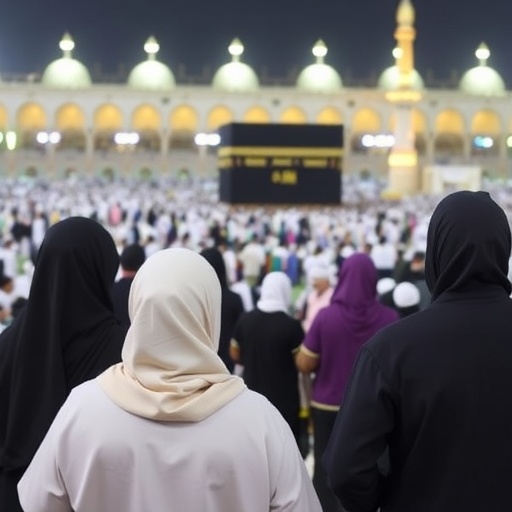
The pilgrimage of Hajj is renowned not only for its spiritual significance but also for the logistical challenges it presents, particularly regarding the health and safety of millions of participants. Saudi Arabia hosts approximately three million pilgrims annually, making Hajj one of the world’s largest mass gatherings. Each year, the sheer number of attendees raises concerns among health care professionals, especially registered nurses who find themselves at the forefront of medical care during these events. A recent exploratory study by Alrabie et al. highlights the unique challenges faced by registered nurses as they navigate the complexities of providing care in such an extraordinarily dynamic setting.
The research conducted by Alrabie and colleagues delves into the experiences and preparedness of registered nurses during the Hajj. It reveals a plethora of insights into the strengths and weaknesses of health care responses during one of the world’s most significant religious gatherings. High patient volumes, coupled with the diverse maladies that pilgrims encounter, require nurses to be not only medically proficient but also culturally competent and adaptable in their responses. This study sheds light on the vital role that these healthcare providers play in ensuring a safe and healthy pilgrimage experience for millions.
One key finding of the study is the emotional and psychological toll that working in this intense environment can exert on nurses. These healthcare providers often endure long hours in high-stress circumstances, managing a patient load that includes varied ailments such as heat exhaustion, dehydration, infections, and other health issues. The study highlights how the lack of adequate rest and resources can lead to burnout among nurses, potentially compromising the quality of care they provide. Therefore, fostering support systems for these professionals is critical to ensure they remain resilient and effective.
Moreover, the study reveals that while many nurses possess strong clinical skills, there is often a gap in their training specifically tailored to mass gathering events like Hajj. Although their qualifications prepare them for general healthcare needs, they may lack the specialized training necessary to respond effectively to the unique challenges presented by such large-scale gatherings. The findings advocate for enhancing educational and training programs to better equip nurses for the specific demands of Hajj.
Additionally, Alrabie’s research uncovers the importance of teamwork in this context. The collaborative nature of nursing care becomes especially evident during Hajj, where multi-disciplinary approaches can significantly enhance patient outcomes. Registered nurses must work alongside various healthcare professionals, including emergency responders, physicians, and public health experts, to deliver holistic care. This teamwork not only improves patient care but also helps in sharing the burdens of responsibility during the peak pilgrimage activity.
Cultural sensitivity is another significant facet of the study. Pilgrims coming from all corners of the globe bring diverse cultural backgrounds, beliefs, and health practices that nurses must navigate. Understanding these cultural nuances is essential for providing effective and respectful care. The study emphasizes the need for nurses to be well-versed in cultural competence, enabling them to communicate effectively with patients and provide care that respects their beliefs and customs.
The health risks associated with mass gatherings are well-documented, ranging from infectious disease outbreaks to environmental health concerns. The study by Alrabie et al. brings to attention the importance of surveillance and public health monitoring during Hajj. Registered nurses serve as critical links in identifying and managing potential outbreaks, thereby helping to protect the health of both pilgrims and the communities they return to. By actively engaging in health surveillance, nurses play a pivotal role in preventing disease transmission in such a crowded environment.
Another noteworthy aspect discussed in the research is the significance of preparedness in emergency situations. Pilgrims are vulnerable to a multitude of potential health crises, such as stampedes, fires, and natural disasters. Registered nurses must be well-prepared to respond to emergencies effectively, with the ability to provide immediate care under pressure. The study points out the necessity for routine drills and simulations to prepare nursing staff for high-stakes scenarios they may encounter during Hajj, thereby enhancing their confidence and readiness.
The fluidity of health needs during Hajj creates a constantly evolving landscape for health care providers. Nurses must remain adaptable, ready to shift their focus and approaches based on fluctuating patient needs. Alrabie’s study emphasizes the importance of flexibility in nursing practice, which can significantly impact care delivery success during the pilgrimage. By fostering an adaptable mindset, nurses can better respond to the dynamic nature of patient care.
Interestingly, the study also notes the technological advances that have the potential to bolster the effectiveness of nursing care during Hajj. The integration of digital health technologies can streamline communication and enhance patient monitoring. For example, mobile health applications and telemedicine can facilitate real-time consultations and data collection, ultimately improving health service delivery. As technology continues to evolve, nurses must be empowered to utilize these tools to enhance their practice effectively.
Additionally, the experience of registered nurses during Hajj serves as a vital source of information for future health care planning. As a platform for learning, each year’s pilgrimage presents unique challenges and outcomes that can inform future strategies. Alrabie’s research underscores the significance of drawing lessons from past experiences to create a robust framework for nursing practice in future mass gatherings. This continuous cycle of learning is crucial for improving health care responses and ensuring the safety of all participants.
Moreover, the study fosters a dialogue about the collaborative roles of various stakeholders involved in Hajj’s healthcare system. From government health officials to volunteer organizations, the collective efforts of diverse entities are imperative in crafting a cohesive response strategy. By recognizing the interdependence of various stakeholders, the healthcare framework during Hajj can evolve to become even more effective and responsive to the needs of pilgrims.
As the world evolves and global travel increases, the experiences captured in Alrabie’s study will resonate beyond Hajj. The insights garnered can serve as a reference for dealing with mass gatherings worldwide, providing valuable guidelines applicable to any large-scale event. The emphasis on communication, preparedness, cultural competence, and teamwork are critical components transferable to a variety of health care settings.
Overall, Alrabie’s exploratory study sheds light on the crucial yet often overlooked experiences of registered nurses during Hajj. As health care providers strive to meet the needs of millions in a challenging environment, the insights gained could ultimately help shape future practices and policies. With a commitment to continuous improvement and support for nurses, we can ensure that the health and safety of pilgrims remain a top priority.
Cite Scienmag News
Ophelia Keating. (October 26, 2025). Nurses’ Insights on Hajj Mass Gathering Preparedness. Scienmag. https://scienmag.com/nurses-insights-on-hajj-mass-gathering-preparedness/
Ophelia Keating. "Nurses’ Insights on Hajj Mass Gathering Preparedness." Scienmag, 26 October 2025, https://scienmag.com/nurses-insights-on-hajj-mass-gathering-preparedness/. Accessed 5 September 2026.
Ophelia Keating. "Nurses’ Insights on Hajj Mass Gathering Preparedness." Scienmag. October 26, 2025. https://scienmag.com/nurses-insights-on-hajj-mass-gathering-preparedness/


