


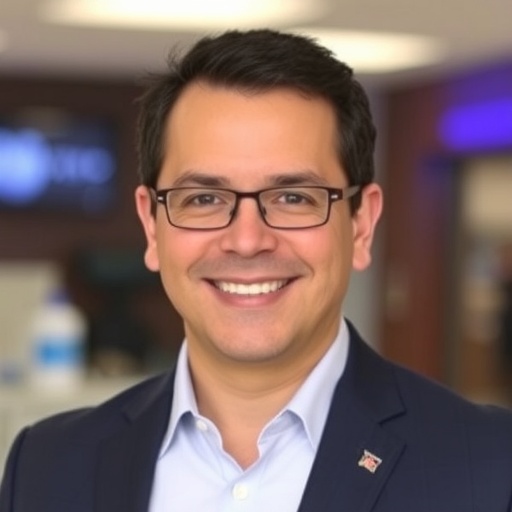
BOSTON, Massachusetts—August 14, 2026—Aging research is moving rapidly from a largely academic pursuit into one of the most consequential frontiers in drug development, and the organizers of the 13th Aging Research & Drug Discovery (ARDD) Meeting say the field’s next phase will be defined by translation: converting discoveries about the biology of aging into medicines that can preserve health and function. ARDD 2026 will take place October 1–3 at the David Rubenstein Treehouse at Harvard University, bringing together researchers, clinicians, biotechnology executives, pharmaceutical companies, entrepreneurs, investors, and policymakers. Among the featured speakers will be Alejandro Aguayo-Orozco, Ph.D., Senior Scientific Director of Diabetes Insights at Novo Nordisk, whose participation highlights the growing intersection between longevity science, metabolic disease, and large-scale therapeutic development.
The meeting arrives as aging biology becomes increasingly connected to conditions that account for much of the world’s disease burden, including diabetes, cardiovascular disease, neurodegeneration, cancer, frailty, and loss of muscle function. Rather than treating each disorder as an isolated event, researchers studying biological aging examine the interconnected processes that gradually reduce the body’s ability to maintain stability and repair damage. These processes include cellular senescence, chronic inflammation, mitochondrial dysfunction, altered nutrient sensing, declining proteostasis, stem-cell exhaustion, and changes in intercellular communication. The central scientific question is whether some of these mechanisms can be modified safely enough to delay several age-associated diseases at once, potentially extending the period of life spent in good health—a concept known as healthspan.
“ The biology of aging has become one of the most promising frontiers in biomedical science,” said Vadim Gladyshev, Executive Chair of ARDD and Professor of Medicine at Harvard University. He said the field’s challenge is not only to understand aging more precisely but also to translate fundamental discoveries into interventions that improve healthspan. That translation requires collaboration across disciplines because aging is not controlled by a single pathway or organ. It involves genetic regulation, immune signaling, metabolism, tissue regeneration, and environmental influences, all of which must be measured with increasing precision before they can become reliable targets for therapy. ARDD organizers describe the conference as a setting where researchers can test competing ideas, evaluate evidence, and build partnerships capable of moving discoveries toward clinical development.
Aguayo-Orozco’s appearance is particularly significant because metabolism has become one of the most intensively studied interfaces between aging and disease. Nutrient-sensing pathways influence how cells respond to energy availability, stress, and damage. Hormonal signals that regulate glucose, appetite, fat storage, and insulin sensitivity can also affect inflammation, vascular health, and tissue maintenance. Drugs developed for metabolic disorders have therefore attracted intense interest from aging researchers, although their effects on longevity and healthspan must be established through rigorous clinical research rather than inferred from biological plausibility alone. The participation of Novo Nordisk, one of the world’s leading pharmaceutical companies in diabetes and obesity care, reflects the expanding effort to understand how metabolic interventions might influence broader age-related outcomes.
ARDD 2026 is expected to feature leaders from ten of the world’s major pharmaceutical companies, alongside academic investigators and emerging biotechnology companies. The organizers characterize the meeting as a global forum for connecting the scientific, clinical, commercial, and investment communities that now shape longevity research. This combination is becoming increasingly important as potential aging interventions move through a development process that demands more than promising laboratory results. Candidate therapies must demonstrate a well-defined mechanism, measurable biological effects, acceptable safety, and meaningful clinical outcomes. Researchers must also determine how to evaluate aging-related interventions in trials, since improvements may appear across multiple systems rather than as a single traditional disease endpoint.
Morten Scheibye-Knudsen, Co-Chair of ARDD and Associate Professor at the University of Copenhagen, said the meeting’s move to Boston marks a new chapter for the conference by placing it within one of the world’s strongest biomedical innovation ecosystems. Boston and the broader Massachusetts region host major universities, hospitals, pharmaceutical companies, venture investors, and biotechnology firms, creating an environment in which basic discoveries can move rapidly toward drug programs. Scheibye-Knudsen also pointed to the increasing maturity of the longevity field, saying ARDD 2026 will place a strong emphasis on translating scientific discoveries into medicines. That focus reflects a shift away from viewing longevity primarily as a question of lifespan toward a more clinically grounded goal: preserving cognition, mobility, metabolic resilience, and independence during later life.
The conference will be officially organized by Insilico Medicine, an artificial-intelligence-driven biotechnology company, and supported by a broad group of sponsors. Tier 1 sponsors are Insilico Medicine and Eli Lilly, while the McKinsey Health Institute is joining as the Sole Knowledge Partner. Tier 3 sponsors include AbbVie, AniVC, AstraZeneca, BioAge Labs, Biocytogen, Cambrian Bio, Cyclarity Therapeutics, Dior, GlycanAge, Gordian Biotechnology, Human Longevity, the Institute for Healthier Living Abu Dhabi, LongeVC, Maxwell Biosciences, Nestlé, Tally Health, and TruDiagnostic. Synaro Capital, The Cat Health Company, and PranaGen Bioscience are listed as Tier 4 sponsors, with Estée Lauder, Morgan Stanley, the Intrinsic Capacity Frailty & Sarcopenia Research Conference for Healthy Longevity, and QuadraScope supporting the event as Tier 5 sponsors. The breadth of this network illustrates how aging science now intersects with pharmaceuticals, diagnostics, nutrition, consumer health, artificial intelligence, finance, and preventive medicine.
The scientific challenge facing the field is formidable. Aging is a multidimensional process, and biological measures that appear informative in one tissue or population may not predict outcomes in another. Researchers are developing biomarkers intended to estimate biological age, track disease risk, and determine whether an intervention is changing the underlying trajectory of aging. These tools include molecular signatures based on DNA methylation, inflammatory proteins, metabolomic profiles, immune-cell states, imaging data, and functional measurements such as strength or walking speed. However, a biomarker is useful only if it can be validated against clinically meaningful outcomes and reproduced across laboratories and populations. Conferences such as ARDD provide a venue for comparing these approaches and addressing a fundamental question: which measurements can reliably show that a therapy is improving human health rather than merely altering a laboratory signal?
“For over a decade, ARDD has served as the primary global platform for academia-pharma-startup-investor dialogue,” said Alex Zhavoronkov, Ph.D., Co-Chair of ARDD and Chief Executive Officer of Insilico Medicine. He said the momentum surrounding the 2026 meeting demonstrates that longevity biotechnology has become a foundational part of modern drug discovery and health economics. The claim reflects a growing expectation that future healthcare systems will need to manage not only longer lives but also the rising costs associated with chronic disease, frailty, and multimorbidity. If interventions can delay the onset or progression of several age-related conditions, they could potentially alter the economics of medicine by shifting care from repeated disease treatment toward prevention and maintenance of function. Establishing whether that promise can be realized will depend on long-term evidence, carefully designed trials, and transparent assessment of risks.
Now in its 13th year, the Aging Research & Drug Discovery Meeting is described as the world’s largest meeting dedicated to aging and longevity biotechnology. Its organizers say the 2026 gathering will focus on accelerating the translation of advances in the biology of aging into practical research and development programs. The Nordic Aging Society, a nonprofit scientific organization dedicated to aging research and collaboration across the Nordic region and beyond, is supporting the meeting. As the event moves to Harvard University in Boston, it will bring the longevity field into direct conversation with institutions at the center of biomedical research and drug innovation. Whether the next breakthroughs emerge from metabolic medicine, cellular rejuvenation, artificial intelligence, diagnostics, or entirely new therapeutic strategies, ARDD 2026 will serve as a high-profile test of how prepared the field is to turn the science of aging into measurable improvements in human health.
News Publication Date: August 14, 2026
Web References: agingpharma.org
Cite Scienmag News
Beatrice Stafford. (August 15, 2026). Novo Nordisk’s Alejandro Aguayo-Orozco to Present at 13th ARDD Meeting in Boston. Scienmag. https://scienmag.com/novo-nordisks-alejandro-aguayo-orozco-to-present-at-13th-ardd-meeting-in-boston/
Beatrice Stafford. "Novo Nordisk’s Alejandro Aguayo-Orozco to Present at 13th ARDD Meeting in Boston." Scienmag, 15 August 2026, https://scienmag.com/novo-nordisks-alejandro-aguayo-orozco-to-present-at-13th-ardd-meeting-in-boston/. Accessed 3 September 2026.
Beatrice Stafford. "Novo Nordisk’s Alejandro Aguayo-Orozco to Present at 13th ARDD Meeting in Boston." Scienmag. August 15, 2026. https://scienmag.com/novo-nordisks-alejandro-aguayo-orozco-to-present-at-13th-ardd-meeting-in-boston/


