


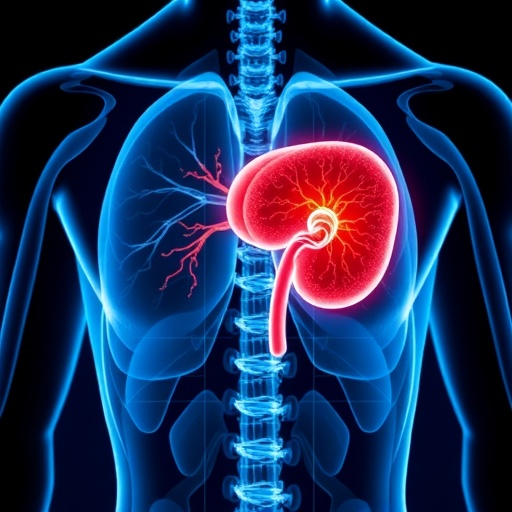
In a groundbreaking advancement in the field of hepatology and inflammatory disease treatment, researchers have uncovered a novel small molecule that holds promise for combating liver injury caused by acetaminophen overdose. Acetaminophen, widely recognized under names such as paracetamol, is commonly used worldwide for its analgesic and antipyretic effects. However, surpassing the recommended dosage can precipitate severe hepatic damage due to the toxic metabolite N-acetyl-p-benzoquinone imine (NAPQI). This compound initiates a cascade of cellular injury processes culminating in liver failure, representing the leading cause of acute liver injury in the United States.
Researchers from Virginia Commonwealth University have synthesized and investigated a new inhibitor molecule, designated YM81, targeting gasdermin D (GSDMD), a pivotal protein implicated in pyroptosis — an inflammatory form of programmed cell death strongly associated with acetaminophen-induced liver injury (AILI). Pyroptosis facilitates the release of pro-inflammatory cytokines, amplifying liver damage. By inhibiting GSDMD, YM81 attenuates pyroptosis, thereby reducing inflammation and preserving liver function in affected models.
Presented at the 2025 American Chemical Society (ACS) fall meeting, which unites thousands of scientists from varying disciplines, the study was led by graduate student Jannatun Nayem Namme alongside principal investigator Dr. Shijun Zhang. The research highlights the therapeutic potential of targeting inflammasome-related proteins, particularly in illnesses where inflammation exacerbates tissue destruction. This approach could signify a shift in therapeutic strategies beyond acetaminophen toxicity to broader inflammatory and neurodegenerative disorders.
The pathology of acetaminophen overdose begins with the liver’s metabolic conversion of the drug to NAPQI. Under normal consumption, detoxification mechanisms swiftly neutralize NAPQI, preventing cellular harm. In overdose scenarios, the accumulation of NAPQI surpasses detoxification capacity, triggering oxidative stress, mitochondrial dysfunction, and ultimately necrosis of hepatocytes. Notably, inflammasomes like NLRP3 and effector proteins such as GSDMD have shown integral roles in mediating the inflammatory response and cell death via pyroptosis during this injury.
Prior to YM81’s development, the pharmacologic armamentarium included only N-acetylcysteine, which replenishes glutathione to detoxify NAPQI but is only effective within an eight-hour window post-overdose. This narrow therapeutic window underscores the urgent need for additional treatments that can either extend this timeframe or directly halt the inflammatory processes causing liver damage.
YM81’s mechanism centers on its interaction with GSDMD. Usually, GSDMD is cleaved by activated caspase-1, releasing its N-terminal fragment that oligomerizes and inserts into cell membranes to form pores. These pores enable the secretion of interleukin-1β (IL-1β) and interleukin-18 (IL-18), cytokines that magnify immune responses and perpetuate pyroptotic cell death. By binding selectively and potently to GSDMD, YM81 inhibits pore formation, reducing cytokine release and preserving hepatocyte integrity.
In mouse models of AILI, treatment with YM81 yielded remarkable reductions in serum biomarkers indicative of liver injury, specifically alanine aminotransferase (ALT) and aspartate aminotransferase (AST). These enzymes, when elevated, reflect hepatocyte damage and necrosis. Compared to placebo-treated controls, YM81-treated mice demonstrated significantly diminished hepatic inflammation and cellular death 17 hours post-overdose, underscoring the molecule’s efficacy in mitigating pathological cascades initiated by acetaminophen toxicity.
Additionally, biochemical assays revealed that YM81 demonstrates nanomolar affinity for GSDMD, with an equilibrium dissociation constant (KD) of approximately 197 nM, reflecting tight binding and potent inhibition. In macrophage cultures stimulated to induce inflammasome activation, YM81 dose-dependently inhibited cleavage of GSDMD and caspase-1, reaffirming its mechanism in suppressing pyroptosis.
The therapeutic implications of YM81 extend beyond AILI. GSDMD is increasingly recognized as a central mediator in various inflammatory and neurodegenerative diseases, including arthritis, sepsis, and gout. By impeding GSDMD activation, YM81 or optimized derivatives could potentially modulate excessive inflammatory responses in multiple pathological contexts where pyroptosis exacerbates tissue injury.
Current efforts by Dr. Zhang’s team emphasize optimizing YM81’s pharmacological characteristics, with the aims of enhancing its potency, improving safety profiles, and increasing molecular stability to ensure viability as a therapeutic agent. Furthermore, expanded studies in diverse animal models are being pursued to validate the compound’s efficacy across conditions characterized by inflammation-driven damage.
This innovative work, partially funded by the National Institute on Aging, represents a promising stride in drug development targeting inflammasomes and related signaling pathways. By elucidating the molecular underpinnings of pyroptosis and its regulation, such research paves the way for novel interventions capable of mitigating the burden of acute liver injury and inflammatory disorders at large.
The ACS Fall 2025 meeting serves as an important platform for disseminating such scientific advances. With over 9,000 presentations spanning multiple domains of chemistry and related sciences, the conference fosters collaborative efforts that accelerate translational innovations from bench to bedside.
In summary, the discovery of YM81 sets the stage for a new class of therapeutics aimed at modulating the inflammasome-gasdermin axis. It embodies the potential to revolutionize treatment paradigms for acetaminophen toxicity and various inflammatory diseases by directly intervening in the cellular death pathways that underlie these conditions.
News Publication Date: August 18, 2025
Web References: ACS Fall 2025 program presentation
Cite Scienmag News
Louis Brooks. (August 18, 2025). Novel Small Molecule Shows Promise in Mitigating Acetaminophen-Induced Liver Injury. Scienmag. https://scienmag.com/novel-small-molecule-shows-promise-in-mitigating-acetaminophen-induced-liver-injury/
Louis Brooks. "Novel Small Molecule Shows Promise in Mitigating Acetaminophen-Induced Liver Injury." Scienmag, 18 August 2025, https://scienmag.com/novel-small-molecule-shows-promise-in-mitigating-acetaminophen-induced-liver-injury/. Accessed 6 September 2026.
Louis Brooks. "Novel Small Molecule Shows Promise in Mitigating Acetaminophen-Induced Liver Injury." Scienmag. August 18, 2025. https://scienmag.com/novel-small-molecule-shows-promise-in-mitigating-acetaminophen-induced-liver-injury/


