


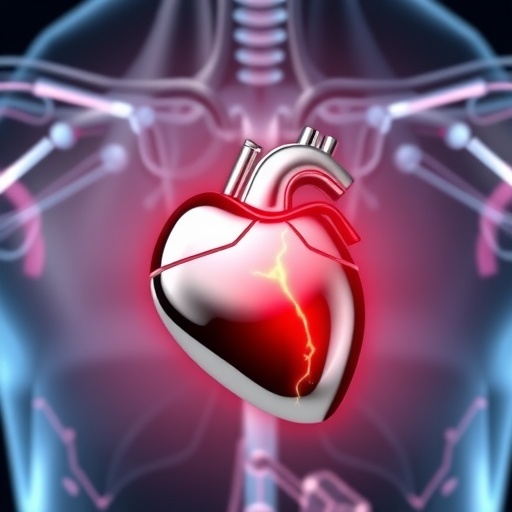
In a groundbreaking development within the field of cardiac medicine, researchers have unveiled a novel multi-functional device designed to provide lifelong pacing for patients with bradyarrhythmias. This revolutionary device, known as a symbiotic transcatheter pacemaker, harnesses the natural movements of the heart to generate electric energy through the principles of electromagnetic induction. This innovative approach not only addresses the critical challenge of sustaining energy levels over extended periods but also promises to integrate closely with the body, providing an unprecedented solution to long-standing issues associated with traditional pacemakers.
The symbiotic transcatheter pacemaker is engineered to be biocompatible, allowing it to establish a harmonious relationship with the body’s internal systems by minimizing the risk of adverse immune responses. This integration implies a future where patients no longer need to undergo frequent replacement surgeries due to battery depletion, a significant and often painful experience associated with conventional pacemakers. Its compact size not only facilitates implantation through minimally invasive procedures but also makes it more compatible with the intricate architecture of the heart.
At the core of the device’s innovative design is its magnetic levitation energy cache structure, which is pivotal in reducing energy loss. This sophisticated mechanism also helps eliminate kinetic friction that might otherwise deteriorate previous pacemaker technologies. The primary goal is to create a sustainable energy solution that can power the device continuously without reliance on external batteries or invasive surgical intervention for replacements, thereby proving advantageous for patient care.
The energy regeneration capability of the pacemaker is particularly noteworthy. It possesses a nearzero boot threshold, enabling it to initiate its function almost instantly upon detecting heart movement. Moreover, the high kinetic energy conversion efficiency ensures that even slight movements of the heart contribute significantly to the device’s energy reservoir. This capability is critical, as it translates the natural actions of the heart into usable power for pacing, thereby harmonizing the device’s functionality with the organic rhythm of the body.
Functionality extends beyond mere energy generation. The symbiotic pacemaker has been validated through a month-long autonomous operation in a porcine model — an experiment designed to mimic the conditions experienced by human patients suffering from bradyarrhythmia. The implications of successful roles in both energy regeneration and therapeutic effectiveness within this model are profound, hinting at a future where patients could live longer with a device that works in tandem with their body’s mechanics.
To achieve a self-sustaining life cycle, researchers have focused on energy efficiency. When analyzing the device’s performance, readings demonstrated a robust intracardiac root mean square output power, placing it in a leading position compared to traditional models. This power generation is critical not only for operational reliability but also for maintaining the heart rhythm and overall cardiac health of patients who rely on such devices for their quality of life.
Despite the advances made, the researchers acknowledge that challenges remain in achieving universal acceptance of this technology within the medical community. Ensuring the long-term stability of the device in varied patient populations is paramount. Therefore, ongoing studies are focusing on testing the pacemaker in diverse clinical settings to compile comprehensive data that can bolster its reliability and efficacy claims.
As evidence mounts regarding the efficacy of the symbiotic transcatheter pacemaker, patient and clinician response is expected to be largely positive. Easing the burden of frequent surgical interventions that plague current pacemaker users may translate into significant shifts in patient comfort and satisfaction. Furthermore, the integration of the device into everyday life could enhance the psychosocial well-being of patients by lessening concerns surrounding device upkeep and maintenance.
A holistic approach to heart health is at the foundation of the research team’s vision. By carefully considering the interaction between device functionality and natural heart motion, they aim for a seamless blend of technology and biology. Technology should not merely emulate the heart’s functions but enhance them, fostering a relationship where the device serves as an extension of the biological processes it aims to support.
Collaboration across disciplines is central to the project’s success. Biomechanics, materials science, and biomedical engineering converge to create a dynamic approach to cardiac care that recognizes the interdependencies of these fields. Various stakeholders, from engineers to medical practitioners, are working together to navigate the complexities of heart health management.
Looking forward, the research team’s aspirations are ambitious, envisioning the day when pacemaker technology is not just a supportive tool but a fully integrated element of the body’s own systems. The ultimate objective is to extend the service life of pacemakers to match that of the natural heart, which would revolutionize not only cardiac care but also the overall approach to chronic conditions.
In conclusion, the introduction of the symbiotic transcatheter pacemaker represents a significant leap in cardiac care technology. By merging the mechanical with the biological, this innovative device has the potential to change the narrative surrounding pacemaker longevity and patient quality of life. As research progresses and trials resume, the hope is that these advances will pave the way for a future where patients can truly live life—and not merely exist—while relying on technological interventions. Tapping into the heart’s natural motions for energy generation opens avenues for further exploration and application that may one day enable even more sophisticated and integrative health technologies.
The resonance of this research is far-reaching, promising advancements not only for cardiac patients but also for broader applications where sustainable energy solutions from body motion can find relevance. In an era focused on innovation and efficiency, the cross-disciplinary efforts behind this pacemaker could inspire similar breakthroughs across various areas of medicine and technology.
With the ongoing commitment to improving cardiac health outcomes, the symbiotic transcatheter pacemaker stands poised as a potential game changer, embodying the ethos of progress and patient-centric design that drives the biomedical engineering field forward.
Ouyang, H., Jiang, D., Hu, Y. et al. Symbiotic transcatheter pacemaker for lifelong energy regeneration and therapeutic function in porcine disease model.
Nat. Biomed. Eng (2026). https://doi.org/10.1038/s41551-025-01604-4
Cite Scienmag News
Ophelia Keating. (January 19, 2026). Novel Pacemaker Promises Lifelong Energy in Porcine Model. Scienmag. https://scienmag.com/novel-pacemaker-promises-lifelong-energy-in-porcine-model/
Ophelia Keating. "Novel Pacemaker Promises Lifelong Energy in Porcine Model." Scienmag, 19 January 2026, https://scienmag.com/novel-pacemaker-promises-lifelong-energy-in-porcine-model/. Accessed 3 September 2026.
Ophelia Keating. "Novel Pacemaker Promises Lifelong Energy in Porcine Model." Scienmag. January 19, 2026. https://scienmag.com/novel-pacemaker-promises-lifelong-energy-in-porcine-model/


