


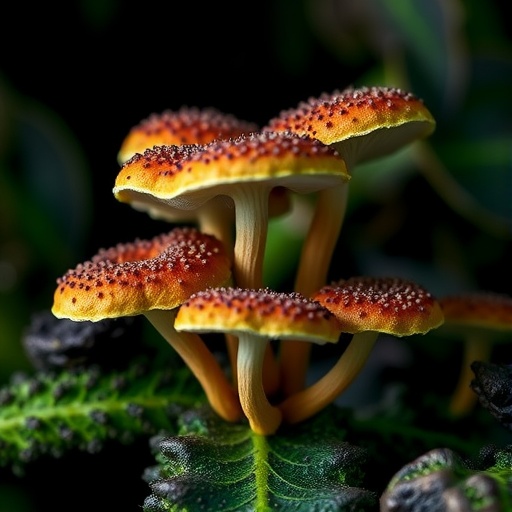
In a groundbreaking discovery that could reshape therapeutic approaches in oncology, researchers have identified two novel compounds, designated as pyrrole-2,5-dione xylogonone acids A (1) and B (2), extracted from the ascomycete fungus Xylogone Sphaerospora. Such a finding not only sheds light on the biochemical potential of fungal metabolites but also opens new avenues for cancer treatment. The unique molecular structures of these compounds feature a rare, highly functionalized pyrrole-2,5-dione, a scaffold that has drawn attention due to its previous associations with biologically active entities.
The structural elucidation of these metabolites has been meticulously conducted through advanced analytical techniques, notably nuclear magnetic resonance (NMR) spectroscopy and high-resolution mass spectrometry (HRMS). These sophisticated methods provided invaluable insights into the complex arrangements of atoms within the compounds. Moreover, while compound 1’s structure has been further confirmed through X-ray crystallographic analysis, such a multi-faceted approach to structure determination highlights the critical intersection of modern analytical chemistry with natural product research.
The biological properties of these compounds have garnered significant interest, primarily due to their observed cytotoxic effects against a diverse array of human cancer cell lines. These include the lung adenocarcinoma A549, triple-negative breast cancer MDA-MB-231, hepatocellular carcinoma HepG2, colorectal carcinoma HT-29, chronic myeloid leukemia K562, and colorectal cancer SW620. The pharmacological profiles exhibited notable potency, with IC50 values for compound 1 ranging between 3.76 to 72.43 μM, while compound 2 demonstrated values from 7.97 to 68.46 μM across these varied cell lines.
The implications of cytotoxicity in cancer research cannot be overstated. As tumors exhibit complex resistance mechanisms, the discovery of these new compounds could potentially circumvent common therapeutic resistance. Previous studies have illustrated how metabolites derived from fungi often possess unique bioactive properties, making them prime candidates for drug discovery.
The innovative nature of the pyrrole-2,5-dione scaffold could be a key factor underlying the distinct activity against cancer cells. Historically, similar structures have been involved in the development of several chemotherapeutic agents, indicating that nature might hold the guidelines for creating future treatments. The compounds reported from Xylogone Sphaerospora may thus serve as essential templates for further synthetic modification aimed at enhancing their antitumor efficacy.
Given the global oncology landscape, where there is a persistent demand for effective and novel therapeutic agents, these findings contribute valuable information to the scientific community. The dual potency of compounds A and B against multiple cancer types not only suggests their broad applicability but also underscores the necessity of exploring lesser-known natural sources for drug development.
Researchers consistently emphasize the importance of multidisciplinary collaboration in natural product chemistry. The methodological rigor seen in the identification and classification of these compounds exemplifies how integrating microbiology, chemistry, and pharmacology can yield extraordinary results. In this case, the rigorous analytics confirm the credibility of the findings and allow for a comprehensive understanding of the compounds’ mechanisms.
As the research community seeks to unravel the intricate biology of cancer, the exploration of fungal metabolites offers a treasure trove of opportunities. The historical context of using fungi in traditional medicine can be revitalized by stringent scientific research, potentially leading to breakthroughs that modern medicine desperately needs.
Additionally, the low cytotoxicity values observed for these compounds may not only propel them into the spotlight for further study but also spotlight the necessity to explore biodiversity within various ecosystems. Unlocking the full potential of these natural products necessitates a more profound commitment to environmental conservation, as the loss of biodiversity often equates to the loss of invaluable chemical entities.
The future of cancer therapeutics may well hinge on these types of discoveries, reinforcing the idea that nature is often the greatest chemist. The continuation of such research stands to benefit not only academic institutions and pharmaceutical companies but, most importantly, the myriad patients affected by cancer worldwide. The robust findings associated with pyrrole-2,5-dione xylogonone acids A and B showcase the promising potential of natural products, as well as their intricate relationship with advancing modern medicinal practices.
In summary, the isolation of these two previously unreported compounds signals a significant advancement in our understanding of fungal metabolites in cancer therapy. As ongoing studies aim to clarify the mechanistic pathways of these compounds, the hope remains high that this research could lead to the development of new, effective treatments that could one day make a profound difference in patients’ lives. This discovery emphasizes the importance of exploring the uncharted territories of nature in our quest for novel therapeutic solutions.
The study serves as an inspiring reminder of the potential held within every microorganism, urging scientists to delve deeper into the realms of natural product research. Fungal-derived compounds are not just historical footnotes in pharmacology; they represent a continuously evolving frontier in the battle against one of humanity’s most enduring diseases.
With ongoing discourse in the scientific community surrounding the efficacy and potential pathways to clinical application for compounds such as these, the future looks promising for further developments in the field of cancer therapeutics.
Cite Scienmag News
Roger Howard. (October 11, 2025). Novel Cytotoxic Compounds Discovered in Xylogone Fungus. Scienmag. https://scienmag.com/novel-cytotoxic-compounds-discovered-in-xylogone-fungus/
Roger Howard. "Novel Cytotoxic Compounds Discovered in Xylogone Fungus." Scienmag, 11 October 2025, https://scienmag.com/novel-cytotoxic-compounds-discovered-in-xylogone-fungus/. Accessed 13 September 2026.
Roger Howard. "Novel Cytotoxic Compounds Discovered in Xylogone Fungus." Scienmag. October 11, 2025. https://scienmag.com/novel-cytotoxic-compounds-discovered-in-xylogone-fungus/


