


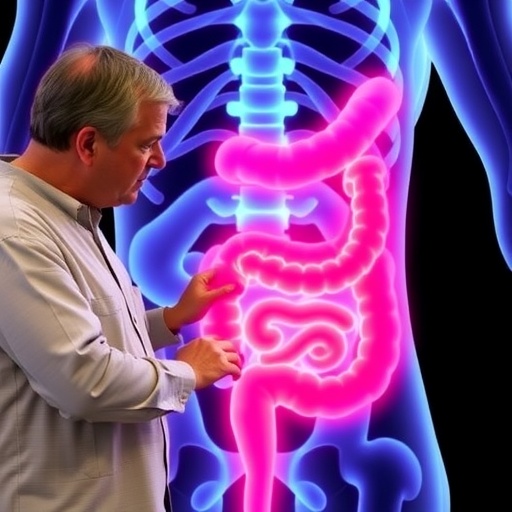
In a groundbreaking advancement in the fight against colorectal cancer, researchers from the University of Barcelona have unveiled a promising new therapeutic strategy designed to overcome a key obstacle in treatment efficacy—drug resistance. Their latest study reveals that combining the drugs palbociclib and telaglenastat could effectively counteract the metabolic adaptations that colorectal cancer cells develop to survive and proliferate despite anticancer therapy. This discovery offers hope for enhancing patient outcomes in a cancer that remains notoriously difficult to treat.
Colorectal cancer stands as the third most common cancer globally and disproportionately affects individuals over the age of 50. Despite its prevalence, the precise etiology of colorectal cancer remains obscure, with only a handful of known risk factors identified. Current treatment modalities include surgery, chemotherapy, radiotherapy, and targeted biological therapies, but the emergence of resistance to these treatments frequently leads to disease progression and relapse. Addressing this challenge demands novel insights into cancer cell biology and the mechanisms underlying therapeutic resistance.
Published in the prestigious journal Oncogene, this preclinical study sheds light on a metabolic mechanism at the heart of colorectal cancer cells’ resistance to palbociclib, a cyclin-dependent kinase inhibitor (CDKI) that has notably expanded its therapeutic reach beyond breast cancer. Palbociclib targets CDK4 and CDK6—enzymes integral to cell cycle regulation and proliferation—effectively halting the uncontrolled growth of malignant cells. However, the cancer cells’ ability to reprogram their metabolism undermines its efficacy, enabling cell survival despite treatment.
Led by Professor Marta Cascante and Dr. Timothy M. Thomson, the research team utilized a multidimensional approach incorporating metabolomics, fluxomics, and systems biology to dissect how colorectal cancer cells adapt under the pressure of palbociclib. Their focus centered on glutaminase, an enzyme that catalyzes the conversion of glutamine to glutamate, critical for sustaining cancer cell bioenergetics and biosynthesis. Previous findings indicated increased glutaminase activity as a resistance factor, yet the integrative impact of targeting this metabolic vulnerability in combination with CDK4/6 inhibition had remained unexplored until now.
The team meticulously examined the metabolic reprogramming that occurs after palbociclib treatment. Surviving colorectal cancer cells exhibited enhanced glutamine metabolism and mitochondrial activity, reflecting a strategic shift to meet the heightened energetic and anabolic demands required for continued survival and proliferation. Such adaptive rewiring enables these cells to bypass the blockade imposed by CDK4/6 inhibition, effectively rendering monotherapy insufficient.
To counter this, telaglenastat—a highly selective glutaminase inhibitor—was introduced alongside palbociclib. By disrupting glutamine catabolism, telaglenastat thwarts the metabolic compensation that cancer cells rely upon following CDK4/6 inhibition. This dual targeting strategy produced a potent synergistic effect, dramatically impeding tumor cell growth both in cell cultures and in vivo animal models. The findings illustrate that the two drugs complement each other by mitigating each other’s metabolic escape routes, thereby trapping cancer cells in a metabolic bottleneck they cannot escape.
This synergy offers several advantages, not least of which is the potential to delay or entirely prevent the onset of drug resistance, a major clinical hurdle. The research underscores the intricate interplay between cell cycle regulation and metabolic pathways in cancer and highlights the importance of integrated therapeutic designs that transcend singular molecular targets. By simultaneously facing down oncogenic proliferation and metabolic adaptability, this combination therapy could redefine treatment paradigms for colorectal cancer.
Moreover, these insights open avenues for personalized medicine approaches whereby metabolic profiling of tumors could guide tailored treatment regimens. Recognizing that metabolic plasticity is a hallmark of cancer progression, the ability to predict and counteract resistance mechanisms at the metabolic level promises enhanced precision and efficacy. This approach aligns with emerging trends emphasizing the metabolic dependencies of cancer cells as critical therapeutic targets.
The study’s preclinical evidence lays a strong foundation for upcoming clinical trials to evaluate the safety, optimal dosing, and therapeutic benefits of palbociclib and telaglenastat in combination. While the journey from bench to bedside remains complex, the robust data presented provide compelling justification for fast-tracking this combination into clinical testing phases. Success in this domain could translate into improved survival rates and quality of life for patients battling colorectal cancer.
Beyond its immediate clinical implications, the research advances our fundamental understanding of cancer cell metabolism and resistance biology. It exemplifies the necessity of systems biology approaches in unraveling the multilayered networks cancer cells exploit and paves the way for future discoveries that may extend to other malignancies exhibiting similar resistance profiles.
The work is a testament to international scientific collaboration, involving researchers from the University of Barcelona, the Molecular Biology Institute of Barcelona, the Francis Crick Institute in the UK, and other entities specializing in bioinformatics and systems medicine. This collective expertise was instrumental in integrating cutting-edge experimental techniques with computational analysis to reveal actionable therapeutic strategies.
In sum, this research heralds a novel, metabolically informed combat strategy against colorectal cancer’s notoriously adaptive nature. By targeting the dual pillars of cell division and metabolic reprogramming, the palbociclib and telaglenastat combination stands poised to slash through the barriers of drug resistance and chart new territory in cancer therapy. The anticipation surrounding forthcoming clinical applications is high, generating hope for millions worldwide affected by this devastating disease.
Cite Scienmag News
Nathaniel Bowman. (October 22, 2025). New Two-Drug Combination Shows Promise in Enhancing Colorectal Cancer Treatment. Scienmag. https://scienmag.com/new-two-drug-combination-shows-promise-in-enhancing-colorectal-cancer-treatment/
Nathaniel Bowman. "New Two-Drug Combination Shows Promise in Enhancing Colorectal Cancer Treatment." Scienmag, 22 October 2025, https://scienmag.com/new-two-drug-combination-shows-promise-in-enhancing-colorectal-cancer-treatment/. Accessed 4 September 2026.
Nathaniel Bowman. "New Two-Drug Combination Shows Promise in Enhancing Colorectal Cancer Treatment." Scienmag. October 22, 2025. https://scienmag.com/new-two-drug-combination-shows-promise-in-enhancing-colorectal-cancer-treatment/


