


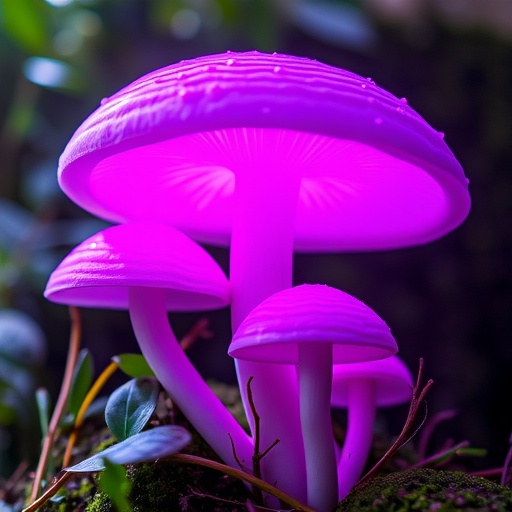
The use of psilocybin, the psychoactive alkaloid found in “magic mushrooms,” is experiencing a notable increase in the United States, coinciding with a wave of decriminalization efforts and growing curiosity among the general public. This resurgence in use also parallels a heightened interest in the therapeutic potential of psilocybin, especially as a novel treatment avenue for depression and other psychiatric disorders. Researchers from the University of California San Diego School of Medicine and New York University Grossman School of Medicine have recently published a groundbreaking study that sheds new light on the prevalence of psilocybin use in the nation. Their findings indicate that approximately 2.8% of individuals aged 12 and older—equating to around 8 million people—reported using psilocybin in the past year.
This study draws its conclusions from data extracted from the 2024 National Survey on Drug Use and Health (NSDUH), a comprehensive and nationally representative survey that, for the first time, incorporated questions specifically targeting psilocybin use. Previous national datasets typically aggregated psilocybin with other hallucinogens under broad categories, making it challenging to isolate precise usage trends. Furthermore, many past studies primarily focused on lifetime prevalence rather than capturing recent or ongoing use patterns. By concentrating on past-year use, these researchers provide a more immediate and clinically relevant snapshot of psilocybin consumption trends, essential for understanding both public health implications and potential therapeutic applications.
The differentiation between lifetime use and past-year use is critical in pharmacological and psychiatric contexts. Lifetime prevalence data often blur the line between experimental or one-time use and sustained or recent consumption, the latter being more indicative of emerging public health phenomena and clinical interest. According to Kevin Yang, MD, the study’s first author and a psychiatry resident at UC San Diego, prior surveys’ limitations hindered the ability to assess current risk factors, usage motives, and potential benefits. The clarity gained from focusing on past-year use allows clinicians and policymakers to better tailor interventions and harm reduction strategies to those actively engaging with psilocybin.
Delving deeper into demographic variables, the study identifies notable disparities in psilocybin use across age groups. Young adults between 18 and 25 years old exhibit a 40% higher likelihood of using psilocybin compared to adults aged 35 to 49. Conversely, individuals above 50 years of age demonstrate roughly one-third lower odds of use. These patterns underscore the drug’s greater popularity among younger populations, which may reflect cultural shifts, reduced stigma, or targeted decriminalization policies in urban centers frequented by younger adults.
Gender differences also emerge prominently from the data, with males showing a 1.7 times higher probability of psilocybin use compared to females. Racial and ethnic disparities are equally profound: white respondents are more than twice as likely to use psilocybin as Black respondents and also exhibit higher odds than Hispanic counterparts. These findings may speak to broader social and economic factors influencing access, cultural acceptance, and health disparities, underscoring the necessity for inclusive research and culturally competent clinical approaches.
Another compelling aspect of the study involves the correlation between psilocybin use and other substance use behaviors. Individuals reporting past-year consumption of cannabis and other hallucinogens such as LSD, MDMA, and ketamine reveal a strong association with psilocybin use. This polysubstance use pattern suggests overlapping social or neurobiological factors that drive exploratory behavior in psychotropic substances. Additionally, associations are found between psilocybin use and alcohol use disorder, as well as the misuse of prescription stimulants, hinting at potential self-medication or risk-taking behaviors prevalent among certain groups.
One of the most striking findings is the elevated odds of psilocybin use among individuals who experienced a major depressive episode in the past year. This correlation aligns with growing scientific interest in psilocybin’s antidepressant properties, as evidenced by multiple clinical trials that have demonstrated promising efficacy in treatment-resistant depression. However, experts caution against conflating therapeutic use in controlled environments with unsupervised naturalistic consumption. Unlike regimented clinical trials, where dosing is precise and participants receive psychological support, naturalistic settings lack such safeguards, potentially increasing the risk profile.
The safety considerations of unsupervised psilocybin use warrant serious attention. Reports have documented instances of anxiety, paranoia, and protracted psychological distress linked to unmonitored use. Moreover, potential pharmacodynamic interactions between psilocybin and commonly prescribed antidepressants may pose unforeseen risks, especially in populations with mood disorders. Kevin Yang stresses that clinicians need heightened awareness of their patients’ psilocybin use, emphasizing the importance of open dialogue regarding motivations, benefits perceived by users, and possible adverse effects.
From a clinical perspective, the findings signify a paradigm shift. Given that millions of Americans engage in psilocybin use outside of formal healthcare settings, mental health professionals face an emergent need to integrate substance use inquiries into routine evaluations. This could enhance understanding of patient behavior and foster opportunities for harm reduction education. Enhanced clinician competency in addressing psilocybin-related questions and concerns is essential as public opinion and legislation evolve.
Furthermore, the study highlights gaps in the current literature, calling for longitudinal research designs to better parse out the mental health trajectories of psilocybin users over extended periods. Tracking these individuals would clarify potential long-term benefits and risks, disentangle causality between depressive symptoms and psilocybin use, and inform regulatory frameworks. Enhancing public health surveillance in parallel with decriminalization movements and potential Food and Drug Administration (FDA) approval is vital to optimize both safety and therapeutic potential.
Societal implications extend beyond clinical settings. The cultural renaissance surrounding psychedelics invites complex considerations regarding legal status, healthcare infrastructure, and public education. Decriminalization in various states and cities has institutionalized shifts in societal attitudes, but effective integration requires empirically grounded policies and community engagement to mitigate unintended harms. This study provides foundational data crucial for informed decision-making amidst fluid policy landscapes.
The interdisciplinary collaboration between psychiatry, epidemiology, pharmacology, and public health exemplified in this research underscores the multifaceted nature of psychedelic studies. It bridges gaps between consumer behaviors and medical science in an era where traditional stigmas surrounding psychedelic substances are rapidly dissipating. Knowledge derived from rigorous population-level analysis informs not only clinical treatment but also harm reduction strategies and legislative advocacy.
In summation, with approximately 8 million Americans reporting past-year psilocybin use, the need for nuanced understanding and clinical awareness is pressing. While psilocybin holds promise as a therapeutic agent, especially for mood disorders, unsupervised use presents a complex safety landscape demanding cautious navigation. Continued research, clinician education, and public health efforts are essential to harness the benefits of psilocybin while minimizing risks in this dynamic socio-medical context.
News Publication Date: [Not provided in text]
Web References:
- Full study DOI link: https://doi.org/10.1176/appi.ajp.20251343
References:
- Data source: 2024 National Survey on Drug Use and Health (NSDUH)
- Publication journal: American Journal of Psychiatry
Cite Scienmag News
Glenn Wilkins. (April 22, 2026). New Study Reveals 2.8% of US Population Used Psilocybin in the Past Year. Scienmag. https://scienmag.com/new-study-reveals-2-8-of-us-population-used-psilocybin-in-the-past-year/
Glenn Wilkins. "New Study Reveals 2.8% of US Population Used Psilocybin in the Past Year." Scienmag, 22 April 2026, https://scienmag.com/new-study-reveals-2-8-of-us-population-used-psilocybin-in-the-past-year/. Accessed 4 September 2026.
Glenn Wilkins. "New Study Reveals 2.8% of US Population Used Psilocybin in the Past Year." Scienmag. April 22, 2026. https://scienmag.com/new-study-reveals-2-8-of-us-population-used-psilocybin-in-the-past-year/


