


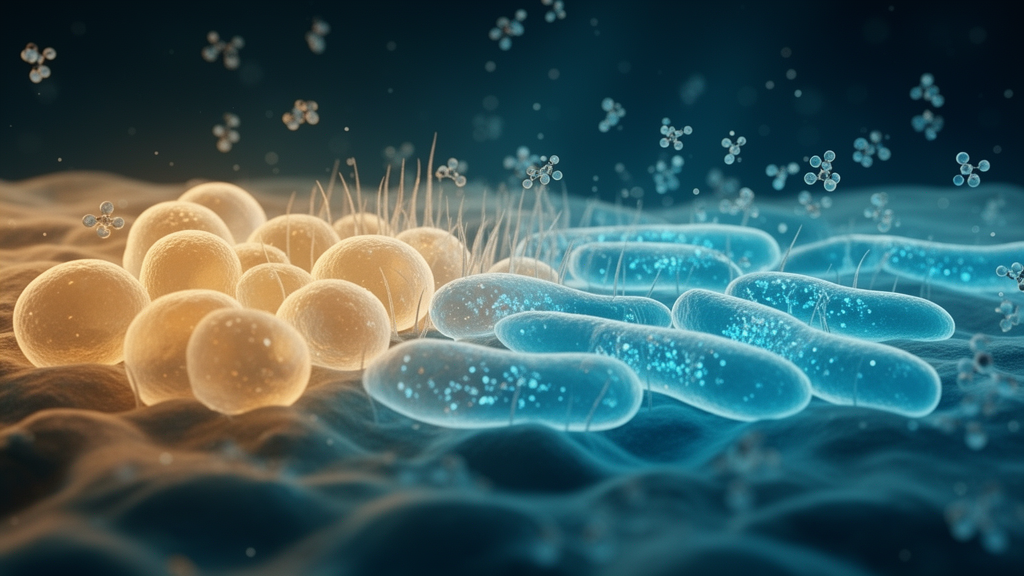
Published in Cell Regeneration, the study demonstrates that transiently inhibiting the MEK/ERK signaling pathway significantly enhances this differentiation process. The placenta plays a pivotal role in human pregnancy, yet research into its development has historically been hindered by limited access to early-stage embryos and ethical constraints. While hTSCs have previously been established from blastocysts, deriving these cells efficiently from primed hPSCs has remained a significant challenge for the scientific community.
The primary obstacle in deriving hTSCs from primed hPSCs is the developmental state of the starting cells. Primed hPSCs represent a more advanced developmental stage compared to naïve hPSCs, which can be efficiently converted into hTSCs using existing culture media. Converting primed cells typically requires reversion to a naïve state, a process that is both time-consuming and costly. Previous attempts to directly induce trophoblast differentiation from primed hPSCs often resulted in neural ectodermal lineages rather than authentic trophoblasts, or yielded extremely low efficiency requiring labor-intensive clone selection.
To address these limitations, the study team investigated the role of the MEK/ERK pathway in trophoblast induction. This combination, referred to as YP medium, was designed to create a signaling environment that favors trophoblast lineage specification over other developmental paths. The researchers hypothesized that modulating FGF-associated pathways, primarily mediated via MEK/ERK, could overcome the epigenetic barriers present in primed hPSCs.
Experimental results showed that treating H1 human embryonic stem cells with the YP medium for three days led to a substantial increase in the proportion of GATA3-positive cells. GATA3 is a critical marker for trophoblast identity. Flow cytometry analysis revealed that 78.3% of cells expressed GATA3 after treatment with the simplified YP medium, compared to only 6.03% in the control group cultured in standard trophoblast stem cell medium. This significant increase indicates that transient MEK/ERK inhibition effectively primes the cells toward a trophoblast-like fate.
The study further examined the optimal duration for MEK/ERK inhibition. Time-course experiments indicated that a three-day treatment window provided the best balance between induction efficiency and cell viability. Shorter induction times resulted in a higher proportion of GATA3-negative cells, while longer inhibition periods slowed cell proliferation without significantly increasing the rate of GATA3-positive cells.
In addition to MEK/ERK inhibition, the researchers found that balanced WNT signaling is essential for optimal trophoblast induction. They tested the effects of adding individual components from standard TSC media to the YP medium. The addition of CHIR99021, a canonical WNT activator, resulted in less uniform morphologies and fewer hTSC-like colonies. Conversely, the addition of XAV939, a WNT pathway inhibitor, also reduced trophoblast marker expression. These findings suggest that both excessive activation and inhibition of WNT signaling compromise trophoblast differentiation, highlighting the importance of signaling equilibrium.
Transcriptomic and chromatin accessibility analyses confirmed that the derived hTSCs closely resembled blastocyst-derived trophoblast cells. RNA sequencing revealed that the induced cells exhibited high expression of trophoblast markers such as GATA3, KRT7, TP63, and TFAP2C, while pluripotency genes were downregulated. Principal component analysis showed that the induced cells clustered with previously validated TSC models and were distinct from amnion lineages. This distinction is important because amnion and trophoblast cells share some transcriptional overlap, and previous studies had reported the emergence of amnion-like cells during TSC derivation from primed hPSCs.
The established hTSC lines maintained stable epithelial morphology and consistent proliferation characteristics over more than 20 passages. Immunofluorescence analysis demonstrated that all lines uniformly expressed canonical trophoblast markers, confirming their authentic identity. The researchers also validated the differentiation potential of these cells. These STB cells expressed specific markers such as SDC1 and CGB and secreted human chorionic gonadotropin (hCG), a key pregnancy hormone.
Furthermore, the hTSCs differentiated into extravillous trophoblast (EVT) cells when induced with neuregulin-1 and Matrigel. The ability to generate both STB and EVT lineages from the derived hTSCs confirms their functional capacity to model key aspects of placental development.
The study also demonstrated the reproducibility of the protocol using UH10 human induced pluripotent stem cells (hiPSCs). The induction efficiency and resulting cell phenotypes were comparable to those observed with H1 hESCs, indicating that the method is broadly applicable across different primed pluripotent stem cell lines.
Despite the successful establishment of authentic hTSCs, the authors acknowledge a limitation regarding the potential presence of a minor fraction of amniotic lineage cells in the induced populations. While transcriptomic and principal component analyses clearly distinguished the derived lines from amnion tissues, the precise proportion of such cells was not quantified. To mitigate this, the researchers performed further selection and purification to establish stable TSC lines, ensuring lineage fidelity for downstream applications.
This optimized protocol offers an accessible and reproducible platform for modeling early placental development. By providing a direct route from primed hPSCs to functional hTSCs, the study bypasses the need for reversion to a naïve state, thereby reducing the time and cost associated with current methods. The platform can be used to investigate the pathogenesis of trophoblast-associated disorders, such as preeclampsia and fetal growth restriction, which are linked to abnormal trophoblast development.
The findings underscore the importance of signaling equilibrium in stem cell differentiation. The interplay between MEK/ERK and WNT pathways appears to be a critical regulatory node for trophoblast specification.
The specific formulation of the simplified YP medium and the timeline of exposure provide key insight into the protocol’s mechanics. The induction medium utilized a DMEM/F12 base supplemented with 0.1 mM 2-mercaptoethanol, 0.3 percent bovine serum albumin, 1 percent ITS-X, 5 micromolar Y-27632, and 0.5 micromolar PD0325901. In contrast to the complete trophoblast stem medium containing complex additives like ascorbic acid, epidermal growth factor, A83-01, SB431542, and valproic acid, the YP medium isolates the essential signaling cues required during the initial three-day conversion window. Following this initial three-day priming period, cultures were transitioned to standard trophoblast stem cell medium from Day 4 through Day 10. Crucially, molecular profiling revealed that this transient regimen suppressed alternative differentiation paths. Marker genes representing the three embryonic germ layers—including PAX6 and SOX1 for ectoderm, CD31 and MYB1 for mesoderm, and SOX17 and FOXA2 for endoderm—remained virtually undetectable or strongly repressed in YP-treated cells. Gene ontology assessments confirmed that while cells maintained in standard medium exhibited enrichment for neural development programs, cells exposed to the YP protocol showed specific enrichment for placental developmental signatures.
Epigenomic profiling through assay for transposase-accessible chromatin with high-throughput sequencing provided structural insight into how transient MEK/ERK inhibition reprograms primed cells. Parallel transcriptomic data verified that pluripotency genes including NANOG and SOX2 were robustly silenced, whereas OCT4 expression remained stably low throughout the early transition, indicating that GATA3 activation initiates prior to complete pluripotency exit. In examining why standard culture formulations impaired conversion efficiency, western blot analyses demonstrated that the canonical activator CHIR99021 sharply increased protein abundance of beta-catenin and its downstream effectors c-myc and CD44, while the pathway inhibitor XAV939 exerted the opposite suppressive effect. Both perturbations led to dose-dependent reductions in GATA3-positive cell proportions, proving that unperturbed endogenous WNT signaling equilibrium is necessary to avoid disrupting trophoblast commitment.
Functional validation assays further established the developmental competence of established YP-derived cell lines through staged differentiation into terminal lineages. To induce syncytiotrophoblasts, cells were cultured for six days in basal differentiation medium supplemented with 2 micromolar forskolin, 50 ng/mL epidermal growth factor, and 1 micromolar cyclic adenosine monophosphate, which stimulated cell fusion and triggered significant upregulation of the fusion markers CGB, GCM1, and ENDOU alongside elevated human chorionic gonadotropin secretion. For extravillous trophoblast differentiation, investigators employed a two-step protocol beginning with three days in medium enriched with neuregulin-1, Matrigel, A83-01, and small-molecule inhibitors including XAV-939, WNT-C59, PD0325901, and Thiazovivin, followed by an additional three-day culture in a simplified formulation containing 0.5 percent Matrigel. The resulting cells displayed robust expression of the extravillous trophoblast surface antigen HLA-G, completely lacked syncytiotrophoblast markers, and actively secreted matrix metalloproteinase-2.
Subject of Research: Transient inhibition of MEK/ERK and WNT pathways enhances direct differentiation of primed hPSCs into functional trophoblast stem cells
Article Title: Transient inhibition of MEK/ERK and WNT pathways enhances direct differentiation of primed hPSCs into functional trophoblast stem cells
Article References: Jiang, Q., Liu, P., & Chen, C. (2026). Transient inhibition of MEK/ERK and WNT pathways enhances direct differentiation of primed hPSCs into functional trophoblast stem cells. Cell Regeneration, 15(1), Article 4. https://doi.org/10.1186/s13619-025-00261-x
Image Credits: AI Generated
DOI: 10.1186/s13619-025-00261-x
Keywords: Transient, inhibition, pathways, enhances, direct, differentiation, primed, hPSCs, functional, trophoblast, stem, cells
Cite Scienmag News
Drew Townsend. (November 11, 2026). New Protocol Converts Primed Stem Cells Into Trophoblasts. Scienmag. https://scienmag.com/new-protocol-converts-primed-stem-cells-into-trophoblasts/
Drew Townsend. "New Protocol Converts Primed Stem Cells Into Trophoblasts." Scienmag, 11 November 2026, https://scienmag.com/new-protocol-converts-primed-stem-cells-into-trophoblasts/. Accessed 11 November 2026.
Drew Townsend. "New Protocol Converts Primed Stem Cells Into Trophoblasts." Scienmag. November 11, 2026. https://scienmag.com/new-protocol-converts-primed-stem-cells-into-trophoblasts/




