


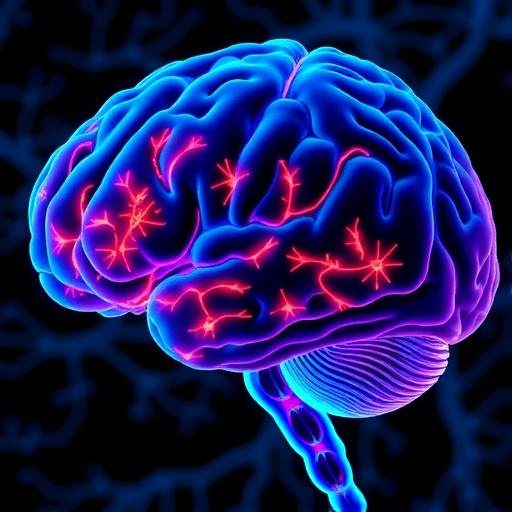
A groundbreaking study from Washington University School of Medicine in St. Louis has illuminated a previously unknown mechanism by which pediatric brain tumors exploit neural communication pathways to fuel their own growth. Focusing on pilocytic astrocytoma (PA), the most prevalent type of brain tumor found in children, researchers uncovered that nerve signaling molecules typically involved in healthy brain function are co-opted by tumor cells to promote unchecked proliferation. This discovery opens promising avenues for repurposing existing neurological drugs to treat these tumors, potentially transforming therapeutic strategies for pediatric brain cancer.
Pilocytic astrocytoma represents approximately 15% of all pediatric brain tumors and, while generally considered non-lethal, can cause significant neurological impairment due to its disruptive growth within the developing brain. Traditional treatment methods have centered on surgical excision and sometimes radiation or chemotherapy, yet these approaches do not fully address the complex interplay between tumor and surrounding brain tissues. Increasing evidence over recent years suggests that non-cancerous cells, particularly neurons, significantly influence tumor dynamics—prompting the researchers to investigate how neural mechanisms may be hijacked by tumor cells.
Central to neuronal communication is glutamate, a neurotransmitter known for its role in transmitting excitatory signals between neurons. Though previous studies correlated glutamate release with cancer growth, the precise cellular pathways and resultant biological consequences remained elusive. The team at Washington University leveraged advanced laboratory models using patient-derived tumor cells to study how glutamate receptors—the molecular sensors on cell surfaces—are manipulated within pilocytic astrocytoma cells.
Their experiments revealed a striking deviation from normal physiology: rather than participating in standard excitatory signaling, glutamate receptors on PA tumor cells are aberrantly reprogrammed. This transformation diverts receptor activity from its conventional role in electrical nerve signaling toward activating intracellular growth pathways. In essence, the tumor cells convert glutamate receptor engagement into a potent mitogenic signal, driving tumor expansion. This newfound coupling between neurotransmission mechanisms and oncogenic signaling represents a paradigm shift in understanding brain tumor biology.
Crucially, the researchers demonstrated that pharmacological agents capable of blocking glutamate receptors can significantly impede tumor growth. Among these, memantine, a compound already approved by the FDA for managing Alzheimer’s disease dementia, emerged as a particularly promising candidate. In murine models implanted with human pediatric tumor cells, memantine effectively reduced tumor size, providing compelling preclinical evidence in support of drug repurposing strategies.
Beyond demonstrating therapeutic potential, the study uncovered a novel interaction between glutamate receptors and tyrosine kinase growth factor receptors—a class of proteins well-known for their involvement in various cancers. This abnormal receptor crosstalk creates a molecular bridge whereby neuronal communication machinery is linked directly to proliferative signaling, intensifying tumor progression. Such a mechanism had not been previously described in pilocytic astrocytoma and may provide a generalized model applicable to other tumor types.
The interdisciplinary nature of the study was vital to its success. Experts from neurology, neurosurgery, pediatrics, genetics, neuropathology, and biostatistics collaborated closely to obtain and analyze freshly resected tumor specimens. This integrative approach not only allowed validation of cellular and molecular findings in clinically relevant contexts but also underscored the importance of cross-specialty teamwork in unraveling complex neuro-oncological challenges.
Understanding that tumor cells exploit basic neurophysiological processes to enhance their own survival sheds light on the fundamental biology of brain cancers. Glutamate’s primary role in healthy brain function—the rapid transmission of electrical signals—is subverted, turning a critical neurotransmitter system into an unfortunate driver of malignancy. This aberrant co-option of normal signaling pathways reflects a sophisticated adaptation by tumor cells, revealing opportunities to interrupt these malignant communications.
Looking ahead, the findings prompt numerous avenues for further research, notably exploring if other neurotransmitters or signaling molecules similarly contribute to tumor progression. Investigating the broader spectrum of neuron-cancer cell interactions could unveil additional molecular targets, expanding the therapeutic repertoire. Moreover, the prospect of clinical trials to evaluate the safety and efficacy of glutamate receptor inhibitors in children with brain tumors becomes a tangible and urgent priority.
Senior author Dr. David Gutmann highlighted the significance of these results within pediatric neuro-oncology, a field where effective treatments remain limited. “Repurposing well-characterized neurological drugs could minimize damage to developing brain tissue while effectively halting tumor progression,” he remarked, emphasizing the dual benefit of safety and potential efficacy. This strategy contrasts with conventional chemotherapeutics, which often carry substantial neurotoxicity risks, particularly harmful during critical stages of childhood brain development.
First author Dr. Corina Anastasaki added that this study represents a critical step forward in decoding the complex dialogue between neurons and tumor cells. “By uncovering the molecular underpinnings of how glutamate receptors drive tumor growth, our work lays the groundwork for novel targeted therapies,” she explained. “This discovery encourages a reevaluation of how brain tumors communicate with their environment and adapt for survival.”
The publication of these findings in the esteemed journal Neuron underscores their scientific impact and the novelty of the insights provided. The work was supported by prestigious grants from the National Institute of Neurological Disorders and Stroke, the National Cancer Institute, and multiple other institutions committed to advancing neuro-oncology research. This robust funding illustrates the priority placed on improving outcomes for children afflicted with brain tumors.
In conclusion, this seminal study not only unravels a fundamental mechanism by which pediatric brain tumors exploit neurochemical signaling to advance their growth but also points to innovative therapeutic strategies that could soon enter clinical trials. By bridging neuroscience and oncology, these advances herald a new era in understanding brain tumor biology and developing safer, more effective treatments for some of the most vulnerable patients.
News Publication Date: 1-Sep-2025
References:
Anastasaki C, Mu R, Kernan CM, Li X, Barakat R, Koleske JP, Gao Y, Cobb OM, Lu X, Eberhart CG, Phillips JJ, Strahle JM, Dahiya S, Mennerick SJ, Rodriguez FJ, Gutmann D. Aberrant coupling of glutamate and tyrosine kinase receptors enables neuronal control of brain tumor growth. Neuron. September 1, 2025.
Cite Scienmag News
Nathaniel Bowman. (September 1, 2025). New Insights Reveal Mechanisms Behind Pediatric Brain Tumor Growth. Scienmag. https://scienmag.com/new-insights-reveal-mechanisms-behind-pediatric-brain-tumor-growth/
Nathaniel Bowman. "New Insights Reveal Mechanisms Behind Pediatric Brain Tumor Growth." Scienmag, 1 September 2025, https://scienmag.com/new-insights-reveal-mechanisms-behind-pediatric-brain-tumor-growth/. Accessed 4 September 2026.
Nathaniel Bowman. "New Insights Reveal Mechanisms Behind Pediatric Brain Tumor Growth." Scienmag. September 1, 2025. https://scienmag.com/new-insights-reveal-mechanisms-behind-pediatric-brain-tumor-growth/


