


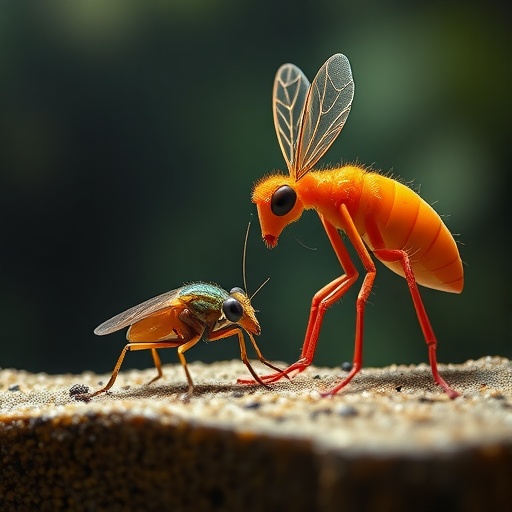
In a groundbreaking study published in BMC Genomics, researchers led by Bruzzese and colleagues delve into the genomic and transcriptomic landscapes of the Spiroplasma glossinidia strain sGff. This research illuminates the intricate relationship between the tsetse fly, Glossina fuscipes fuscipes, and the pathogens it harbors. The findings present pivotal insights into how Spiroplasma species may confer resistance to trypanosome infections, a leading cause of disease in livestock and wildlife across sub-Saharan Africa.
To understand the implications of this research, it’s essential to grasp the significance of the species under study. Glossina fuscipes fuscipes is not just any insect; it is a crucial vector for trypanosomiasis, commonly known as sleeping sickness. This disease poses a significant threat to humans and livestock alike, warranting intense research efforts to mitigate its effects. By examining the symbiotic relationships that tsetse flies have with certain bacteria, including Spiroplasma, scientists hope to uncover novel methods for controlling trypanosome populations.
The researchers employed cutting-edge comparative genomics and transcriptomics methods to extract and analyze the genetic material from the Spiroplasma glossinidia strain sGff. Utilizing high-throughput sequencing technologies, they elucidated the genetic code of the bacteria, uncovering genes that might play critical roles in host interaction and immune evasion. Such academic rigor exemplifies the potential of advanced genomic approaches in understanding complex biological interactions.
One of the compelling findings from this study is the identification of specific genetic markers within the sGff strain that appear to be associated with enhanced resistance to trypanosome infections. The expression of these genes was notably upregulated in the context of host-pathogen interactions, suggesting an adaptive response that may bolster the fly’s resilience against infections. This line of inquiry opens up pathways for developing innovative and targeted approaches to managing trypanosomiasis transmission.
Moreover, the interplay between the tsetse fly’s immune system and the resident Spiroplasma species offers a fascinating glimpse into microbial ecology. It seems that Spiroplasma does not merely coexist within the tsetse but actively contributes to the insect’s immunity. This relationship could redefine how researchers approach vector-borne diseases, shifting the focus from solely lethal interventions to fostering beneficial symbiotic relationships with microbes.
In addition to providing insights into host interaction, the study also highlights the evolutionary dynamics of the Spiroplasma genome. The presence of mobile genetic elements, such as plasmids, underscores the potential for horizontal gene transfer between different bacterial strains. This finding raises critical questions about the adaptability of Spiroplasma and its ability to acquire genes conferring advantages in specific ecological contexts.
Further examination revealed that the genomic architecture of Spiroplasma glossinidia is relatively unique compared to other known strains. The researchers documented distinct gene clusters that appear to be involved in metabolic pathways advantageous for surviving within the complex physiology of the tsetse fly. Such insights contribute to our broader understanding of how endosymbiotic relationships evolve and how they can be manipulated for pest management strategies.
The implications of this research extend beyond academic curiosity. In practical terms, harnessing the protective capabilities of Spiroplasma could lead to novel biocontrol measures against trypanosomiasis. If breeders and agricultural scientists can encourage the natural establishment of these beneficial organisms in tsetse populations, they may effectively reduce the vector’s capacity to transmit disease.
In the context of increasing global concern over drug-resistant strains of trypanosomes, the study’s findings underscore the urgency of alternative control strategies. The reliance on chemical insecticides alone may not offer a sustainable solution, especially considering the adverse effects these substances can have on the environment and non-target species. Enhancing our understanding of symbiotic relationships could provide a robust framework for integrated pest management.
Intriguingly, as the researchers analyzed data across various strains and species, they observed potential parallels in immune responses mediated by other symbiotic bacteria in different insect vectors. This points towards a broader theme within entomology: that symbiotic bacteria might be a key element in shaping the dynamics of vector-pathogen interactions across multiple taxa. Such knowledge is crucial in our quest to safeguard human health while preserving biodiversity.
Furthermore, this study serves as a reminder of the interconnectedness of ecosystems. The findings underscore the pivotal role that insects play in maintaining the balance of health within their environments. With the current focus on ecosystem services and biodiversity conservation, understanding the function of every organism within an ecological web is paramount.
As this research advocates, a renewed focus on the microbial communities within disease vectors could be pivotal in revolutionizing vector control strategies. The potential for engineering tsetse flies to enhance beneficial microbial relationships invites speculation on future research directions and applications.
In conclusion, the comparative genomics and transcriptomics of Spiroplasma glossinidia provide a compelling narrative about the resilience of the tsetse fly and its capacity for adaptation in the face of formidable challenges posed by pathogens. This study not only enriches our understanding of symbiotic relationships but also poses innovative avenues for actionable interventions against trypanosomiasis.
By offering impactful insights and raising pertinent questions regarding microbial interactions, this research exemplifies the promising frontiers of genomic science and its capacity to address significant global health challenges. As the world grapples with the threats posed by vector-borne diseases, understanding the biological intricacies within these systems will be crucial in formulating effective responses.
Bruzzese, D.J., Gstöttenmayer, F., Weiss, B.L. et al. Comparative genomics and transcriptomics of the Spiroplasma glossinidia strain sGff reveal insights into host interaction and trypanosome resistance in Glossina fuscipes fuscipes.
BMC Genomics (2025). https://doi.org/10.1186/s12864-025-12351-w
Cite Scienmag News
Kristina Jarvis. (November 22, 2025). New Insights on Host Interaction in Glossina Fuscipes. Scienmag. https://scienmag.com/new-insights-on-host-interaction-in-glossina-fuscipes/
Kristina Jarvis. "New Insights on Host Interaction in Glossina Fuscipes." Scienmag, 22 November 2025, https://scienmag.com/new-insights-on-host-interaction-in-glossina-fuscipes/. Accessed 4 September 2026.
Kristina Jarvis. "New Insights on Host Interaction in Glossina Fuscipes." Scienmag. November 22, 2025. https://scienmag.com/new-insights-on-host-interaction-in-glossina-fuscipes/


