

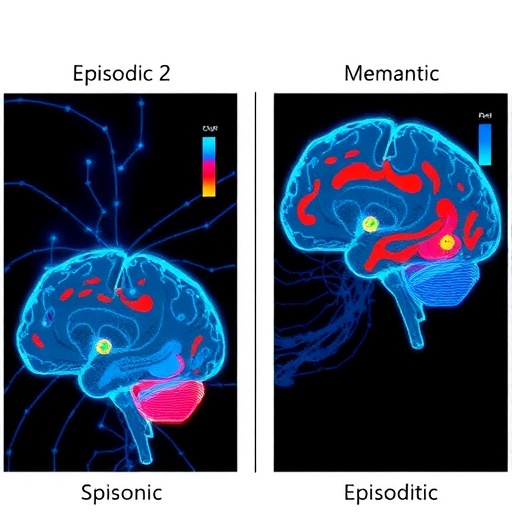
Recent advancements in neuroscience have put a spotlight on the fascinating intricacies of human memory. Particularly, the distinction between episodic memory, which pertains to personal experiences and specific events, and semantic memory, which concerns general knowledge and facts, has been a topic of extensive research. Numerous neuropsychological studies have made significant contributions to this field, providing evidence supporting the distinction. However, an intriguing body of neuroimaging data suggests that there is considerable overlap between the areas of the brain activated during the retrieval of episodic and semantic memories. This overlap raises questions about whether similar cognitive mechanisms underlie both types of memory retrieval, or whether methodological limitations in the design of neuroimaging studies are obscuring our understanding.
In a recent investigation, researchers sought to unravel this complexity by employing a more controlled experimental framework to compare neural activations and representations associated with successful retrieval of episodic and semantic memories. Their study involved a total of 40 participants who were tasked with recalling associations between brand logos and their corresponding names. This setup allowed the researchers to independently assess the cognitive mechanisms involved in semantic retrieval—where the pairings represented pre-existing knowledge from the real world—and episodic retrieval, wherein participants recalled pairings learned in a prior study phase.
The experimental design was meticulous. During the retrieval phase, participants faced both types of tasks under conditions that were as similar as possible, thereby limiting extraneous cognitive variables that could confound the results. The intent was to isolate differences in brain activation patterns related strictly to the nature of the memory being accessed. With functional magnetic resonance imaging (fMRI) technology, the researchers could finely map the neural correlates of both types of memory tasks as participants engaged in recall.
Despite the rigorous design, the results were striking and somewhat unexpected. The study’s findings revealed that neither predefined networks nor the broader clusters of brain activity associated with the retrieval tasks indicated any significant difference between semantic and episodic memory retrieval. In fact, analyses using Bayes factors lend support to the null hypothesis; namely, that there are no discernible distinctions in activation patterns during the successful retrieval of these two memory types under the tested conditions.
This outcome poses important implications for how we understand memory systems in the brain and challenges previously held beliefs about the delineation between episodic and semantic memory. While cognitive theorists have long posited that these two forms of memory might engage distinct neural circuits, the new data suggest that they may rely on common neural pathways during retrieval processes. This shared brain activity may indicate overlapping cognitive mechanisms, which warrant further exploration in future studies.
The nuances of how episodic and semantic memories interact and coexist within the brain could significantly impact educational practices and therapeutic approaches to memory-related disorders. If the neural substrates for these two memories are indeed intertwined, it may reshape how we design interventions for individuals with memory impairments or learning challenges. A deepened understanding of these processes has the power to enhance memory retention strategies, adapt teaching methods, and facilitate the recovery of memory in clinical settings.
The study also opens the door to various methodological refinements in neuroimaging research. The current findings underscore the importance of using closely matched tasks to truly isolate cognitive functions, as previous studies may have conflated results due to poorly designed experimental conditions. Additionally, innovations in imaging techniques could allow for improved visualization of brain activity, facilitating a more nuanced understanding of the complex interplay between different memory systems.
As global discourse surrounding cognitive neuroscience evolves, the findings of this research provoke thoughtful discussion about memory formation, structure, and retrieval. They spotlight the need for ongoing inquiry into the brain’s multifaceted architecture and how it supports the myriad functions that define human behavior and cognition. The interplay between episodic and semantic memory remains a vibrant area of exploration, one that could redefine what we know about human memory and cognition.
The revelations from this research will likely resonate within both scientific circles and the wider public. In an age where understanding the mechanics of the mind is increasingly pertinent—especially amidst growing concerns about cognitive decline and memory disorders—insights into how our memory systems function can have far-reaching consequences. As researchers continue to delve into the mechanisms underlying memory retrieval, the implications of this work may inform future educational and therapeutic practices, enriching our understanding of the human experience.
In summary, the nuanced findings regarding neural activations during memory retrieval challenge long-standing models of cognitive function. By illuminating the overlap in brain activity for episodic and semantic memories, this research contributes significantly to our understanding of the cognitive and neurological underpinnings of memory. Moving forward, it is imperative that researchers build on these insights to unravel the complexities of human memory further, potentially leading to breakthroughs that can enhance learning and memory in various contexts.
Subject of Research: Neural activations and representations during episodic versus semantic memory retrieval.
Article Title: Neural activations and representations during episodic versus semantic memory retrieval.
Article References:
Tibon, R., Greve, A., Humphreys, G. et al. Neural activations and representations during episodic versus semantic memory retrieval. Nat Hum Behav (2026). https://doi.org/10.1038/s41562-025-02390-4
Image Credits: AI Generated
DOI: https://doi.org/10.1038/s41562-025-02390-4
Keywords: Memory Retrieval, Episodic Memory, Semantic Memory, Neuroimaging, Cognitive Neuroscience, fMRI, Brain Activation, Cognitive Mechanisms, Memory Systems, Neurological Underpinnings.


