

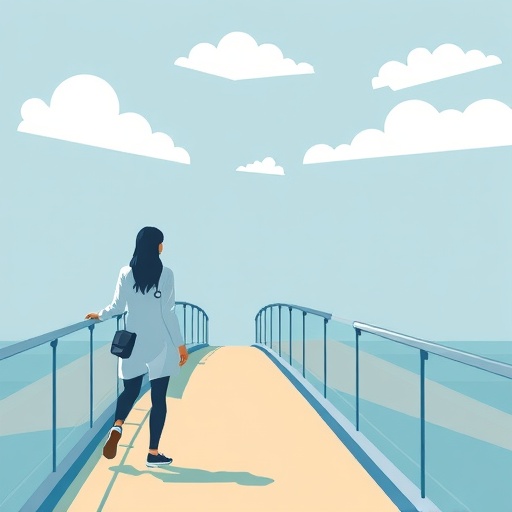
As medical students approach the culmination of their educational journeys, the transition from medical school to residency represents a pivotal moment rife with challenges and opportunities. The final months of medical school are often viewed not just as an end but as a bridge to a new professional identity. Recent discussions in academic circles have spotlighted the need for reevaluation of this transitional phase, particularly the support structures in place to assist students as they take this critical leap. In a recent article published in Academic Psychiatry, K.T. Dang eloquently addresses the multifaceted reflections and challenges faced by students during this crucial period, aiming to reclaim and redefine what this time could represent.
The challenges associated with transitioning from medical school to residency are numerous and varied. For many students, the anxiety of impending professional responsibilities combines with a sense of loss for the academic environment they are leaving behind. This unique emotional concoction can manifest in stress, burnout, and even imposter syndrome, where future practitioners may doubt their qualifications or preparedness to face real-world medical challenges. Such sentiments are not uncommon and are echoed in the narratives of countless physicians who have trodden this path before. The recognition of these emotional complexities is crucial for adequately supporting medical students.
In addressing student well-being, medical schools have begun to implement programs designed to ease the transition. These initiatives include mentorship opportunities, wellness workshops, and peer-support groups, all aimed at fostering a sense of community during these tumultuous final months. Mentoring, in particular, plays an indispensable role in helping students navigate the demands of residency applications while simultaneously managing their academic requirements. Peer support networks further allow students to share their experiences, validate their feelings, and collectively strategize on how to overcome the common hurdles they face.
For many students, the most daunting aspect of the transition to residency is the sheer unpredictability of the process. The application landscape is becoming increasingly competitive, demanding not only academic excellence but also extracurricular involvement, research experience, and strong letters of recommendation. Students find themselves striving to curate a CV that will set them apart, often leading to heightened anxiety. Navigating this competitive terrain requires not only support but also self-reflection, encouragement, and skill development initiatives being instituted by many medical schools to better prepare students for this transition.
The importance of fostering resilience during these final months cannot be overstated. Resilience has been identified as a key attribute for survival in the high-pressure environment of medicine. Training not only in clinical skills but also emotional intelligence, stress management, and effective communication can fortify students against the inevitable challenges they will face in residency. Developing these skills requires a shift in educational focus; integrating social and emotional learning into the medical curriculum is essential for preparing future physicians not just as clinicians but as holistic caregivers.
K.T. Dang’s reflections spark an important conversation about the cultural shift needed within medical education. The traditional capitulation to a “sink or swim” ideology often leaves students feeling unsupported and vulnerable during one of the most transformative periods of their careers. A shift towards a more nurturing and supportive educational landscape is imperative. This calls for an academic culture that values well-being and recognizes the difficulties inherent in this transitional phase, ergo broadening the scope of what it means to educate future physicians.
Continued research and discourse are essential in developing best practices for supporting medical students. The collective experiences of those who have navigated the transition to residency can provide invaluable insights for institutions aiming to implement supportive structures. Thus, understanding the lived experiences of medical students becomes a pivotal aspect of advancing medical education as a discipline. Studies like Dang’s delve deeply into these narratives, illuminating the common themes and experiences that can be used to fortify student support systems.
On a broader scale, the healthcare industry must recognize the systemic issues that contribute to student stress. By critically reviewing institutional expectations and funding allocations, medical schools and hospitals alike can pave the way for a healthier environment. Acknowledging that mental health is an integral component of medical training requires a commitment not only from educational institutions but from the healthcare system as a whole. The integration of mental health services into medical education will not only aid students but also bolster the overall healthcare workforce.
The evolving discussion surrounding the transition to residency is not merely academic; it is a reflection of a growing understanding that the mental health of future clinicians is intrinsically linked to the quality of patient care. Prepared, happy, and well-adjusted residents are more likely to provide the compassionate, competent pediatric care that their patients deserve. Thus, the stakes are high, and the implications of this work extend well beyond the walls of educational institutions.
Furthermore, the integration of technological advancements, such as telehealth and digital platforms for connecting with mentors and peers, offers exciting opportunities for supporting students. These tools can help facilitate the sharing of resources and experiences, transcending geographical limitations and further cultivating a sense of community among medical students. By harnessing technology in innovative ways, student wellness initiatives can state a more significant impact and reach a wider audience.
In conclusion, the final months of medical school represent a transformative crossroad, filled with uncertainty, hope, and growth. It is a crucial moment that calls for a reevaluation of the existing educational frameworks and support systems designed to nurture future physicians. As K.T. Dang suggests, reclaiming this time to foster resiliency, community, and emotional well-being is paramount. The medical education field is tasked with ensuring that every student feels adequately supported and prepared for the next step in their journey. By prioritizing these elements, we can cultivate a new generation of physicians who not only excel in their clinical duties but also prioritize their mental health and that of their future patients.
Subject of Research: Transition to residency for medical students
Article Title: Reclaiming the Final Months of Medical School: Reflections and Challenges in Supporting the Transition to Residency
Article References:
Dang, K.T. Reclaiming the Final Months of Medical School: Reflections and Challenges in Supporting the Transition to Residency. Acad Psychiatry 49, 514–515 (2025). https://doi.org/10.1007/s40596-025-02264-x
Image Credits: AI Generated
DOI: December 2025
Keywords: medical education, residency transition, student well-being, medical students, resilience, mental health, supportive structures, peer support, mentorship, emotional intelligence.


