

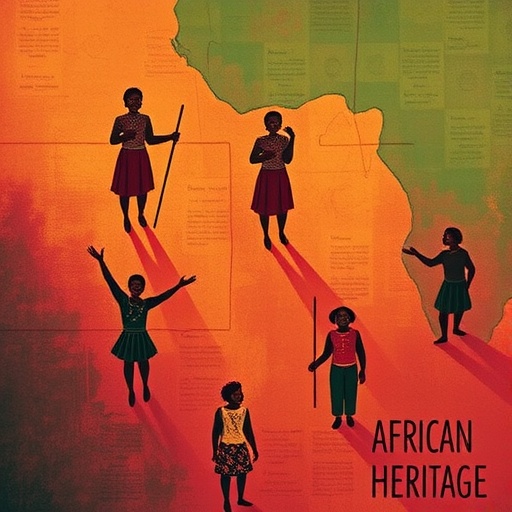
As global dynamics shift, the discourse surrounding heritage and sustainable development is increasingly pertinent, especially in the context of African communities. The recently published work, “African Heritage Challenges: Communities and Sustainable Development,” edited by H. Britt Baillie and Marie Louise Stig Sørensen, sheds light on the multifaceted relationship between cultural heritage and sustainable community well-being. This publication arrives at a crucial juncture where the integration of local traditions and contemporary challenges defines the trajectory of African societies. The volume addresses not just preservation but also the potential for heritage to serve as an engine for sustainable development.
Cultural heritage in Africa is a treasure trove of history, rooted in deep traditions that span thousands of years. However, as urbanization accelerates and globalization reshapes social landscapes, communities grapple with the preservation of their identities. The anthology explores how heritage can engender a sense of belonging while simultaneously addressing modern challenges such as poverty, displacement, and climate change. Each contribution in the book illuminates different angles of this issue, showcasing the potential of heritage to inspire solutions and drive social cohesion.
One of the core themes presented is the challenge of balancing tradition with innovation. African communities often find themselves at a crossroads, where the fusion of old practices with new technologies presents both opportunities and risks. The editors, Baillie and Sørensen, provide a comprehensive framework for understanding these dynamics, illustrating how heritage can remain relevant in an ever-changing world. This juxtaposition of old and new is essential for fostering resilience in communities facing rapid change, ensuring that cultural identities do not get lost in the process.
The concept of sustainable development is deeply rooted in the idea of interconnectedness. The editors emphasize that developing a comprehensive understanding of heritage issues requires interdisciplinary collaboration. The volume encompasses perspectives from archaeology, anthropology, environmental science, and economic development, all of which converge to paint a holistic picture of the challenges at hand. This multidisciplinary approach reinforces the notion that solving heritage-related dilemmas requires collective efforts and shared knowledge among various stakeholders.
Looking closely at case studies from across the continent, the book highlights numerous successful initiatives where heritage and sustainability have been effectively intertwined. For example, various projects have demonstrated how traditional ecological knowledge can inform modern practices, leading to healthier environments and more sustainable livelihoods. By documenting these successful examples, the editors advocate for their replication elsewhere, underscoring the role of local expertise in creating viable solutions that respect both cultural heritage and ecological integrity.
In examining the economic implications of heritage conservation, the volume delves into how investments in cultural sites can yield substantial returns for communities. By developing heritage sites as attractions, communities not only preserve their history but also create jobs and stimulate local economies. The editors argue that promoting heritage tourism, when done responsibly, can help foster economic resilience while honoring the cultural significance of these sites. This approach promotes a symbiotic relationship between economic viability and cultural preservation, demonstrating the potential for heritage to be a valuable economic asset.
In a world facing climate change and environmental degradation, heritage conservation practices must also adapt. The editors explore how climate resilience strategies can be integrated with heritage management, ensuring the survival of both cultural and natural resources. Challenging conventional perceptions of heritage as static entities, the volume argues for a more dynamic understanding that honors change and adaptation as integral components of cultural landscapes. This innovative perspective is essential for engaging youth and encouraging their involvement in heritage preservation efforts.
Moreover, the book addresses the often-overlooked voices of women and marginalized groups in the heritage discourse. Baillie and Sørensen highlight the importance of inclusivity in heritage management, advocating for the participation of diverse community members in decision-making processes. By empowering these often-excluded groups, communities can foster a richer dialogue around heritage that reflects their shared values and aspirations, ultimately creating a more cohesive society.
Given the profound implications of heritage for identity and community cohesion, the editors argue that public awareness must be heightened. Educational initiatives play a crucial role in fostering a sense of pride among younger generations. The volume calls for innovative educational programs and outreach strategies that highlight the significance of heritage, ensuring that knowledge is passed down and appreciated by future custodians. This proactive approach to education serves to cultivate a deeper understanding of cultural heritage as a living, dynamic aspect of community life.
Technological advancements also find a place in the discussions presented in the volume. The editors emphasize how digital tools can enhance heritage conservation efforts, making cultural resources more accessible to broader audiences. From virtual reality experiences that allow users to explore historical sites remotely to online platforms promoting local craftsmanship, the potential for technology to enrich heritage engagement is profound. The careful integration of these tools can facilitate broader participation and knowledge sharing, ultimately strengthening the integrity of cultural practices.
In concluding the discourse, “African Heritage Challenges: Communities and Sustainable Development” serves as a clarion call for action. The editors urge stakeholders, ranging from local communities to policymakers, to embrace the opportunities that heritage offers for sustainable development. By weaving heritage into the fabric of community development strategies, societies can forge pathways toward resilience and sustainability, all while celebrating the richness of their cultural identities.
Ultimately, the volume serves as a comprehensive guide for understanding the intricate tapestry of heritage and sustainable development in Africa. Through its multidisciplinary approach, it emphasizes that the challenges faced by African communities are not just localized issues but part of a global dialogue on culture, sustainability, and identity. As we move forward, the lessons gleaned from this anthology can inform both local practices and international policies, ensuring that the voices of African communities are heard and valued on the world stage.
Subject of Research: The relationship between African cultural heritage and sustainable development.
Article Title: African Heritage Challenges: Communities and Sustainable Development
Article References:
Kiriama, H. Britt Baillie and Marie Louise Stig Sørensen (Editors). African Heritage Challenges: Communities and Sustainable Development.
Afr Archaeol Rev 42, 357–359 (2025). https://doi.org/10.1007/s10437-025-09625-9
Image Credits: AI Generated
DOI:
Keywords: Heritage, Sustainable Development, Community Resilience, Africa, Cultural Identity.


