


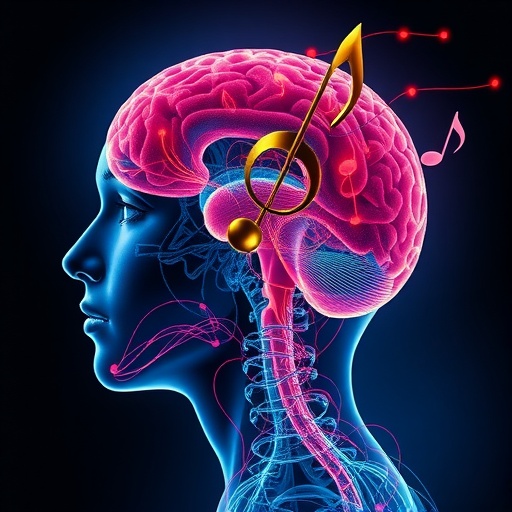
In a fascinating exploration of the intersection between music and neurophysiology, recent research sheds light on the transformative power that music holds over brain plasticity, particularly as we age. The study conducted by a team of neuroscientists led by F. Carlomagno, and published in Ageing International, delves into how musical engagement can serve as a catalyst for neuroplasticity—the brain’s ability to reorganize itself by forming new neural connections throughout life. As individuals traverse the complexities of aging, understanding how music can support cognitive functions becomes increasingly vital.
Neuroplasticity is crucial for maintaining cognitive health in older adults. The brain experiences various changes as it ages, including a decline in the efficiency of its neural networks and an increased risk for conditions like dementia. The research team underscores that music can act as a potent tool, tapping into neural pathways that may otherwise atrophy over time. Engaging with music, whether through listening, performing, or even composing, can stimulate widespread areas of the brain—providing not only enjoyment but a host of cognitive benefits as well.
Through previous studies, the team had established a correlation between musical training and enhanced executive functions in individuals of varying ages. Those who participated in musical activities exhibited superior memory retention, better attention spans, and improved problem-solving abilities compared to non-participants. This study continues that conversation, specifically targeting the effects of music on older adults as a means to counteract age-related cognitive decline.
One of the hallmark discoveries from this mini-review is how music stimulates the release of neurotransmitters essential for mood and memory, such as dopamine and serotonin. This biochemical reaction reinforces positive emotions associated with musical engagement, which can be especially beneficial for older individuals who may face depression or social isolation. Neuroscientific evidence points to the fact that music can enhance both intrinsic and extrinsic motivation, making participants more likely to engage in enjoyable activities that promote socialization and cognitive engagement.
Moreover, music training has been shown to enhance auditory processing capabilities. Regular engagement with music can heighten an individual’s ability to distinguish between different sounds, which not only improves musical enjoyment but also has practical implications for communication in daily life. This becomes increasingly significant as age-related hearing loss may hinder older adults’ social interactions, leaving them feeling isolated and disconnected. By utilizing musical training, older adults can maintain their auditory acuity and thereby support broader social engagement.
The study also highlights the critical role of rhythm in music and its connection to brain function. Rhythm offers a structured form of auditory stimulation that can enhance motor coordination and timing, skills that may gradually deteriorate with age. Engaging in rhythmic activities, such as drumming or dancing, can foster better physical coordination while simultaneously promoting neural connectivity essential for executive functioning. This approach enlivens the motor cortex and engages numerous areas of the brain responsible for sensory integration.
Furthermore, the research indicates that musical improvisation serves as a dynamic form of engagement that challenges cognitive flexibility—a key component in maintaining mental agility. In the improvisational framework, individuals must think on their feet, altering their musical choices spontaneously, thereby navigating complex cognitive tasks that support mental adaptability. This aspect is particularly significant for older adults, as cognitive flexibility tends to decline with age, leading to decreased adaptability in daily life.
The neurophysiological findings from the study reveal that listening to music can also result in significant improvements in memory recall. By activating the areas of the brain linked to memory and emotion, music serves as a powerful mnemonic device, helping older adults retrieve memories tied to specific songs or melodies. This capacity for reminiscence through music offers a unique way to bridge the past with the present, allowing for enriched interactions and connections with family and friends.
Importantly, the researchers discuss the implications of music therapy in clinical settings, particularly for individuals suffering from various forms of dementia. Music therapy has been increasingly recognized as an effective intervention that can enhance quality of life for patients by tapping into their emotional and cognitive remnants of the past, thereby fostering moments of clarity and connection. The emotionally resonant nature of music allows caregivers to engage patients in meaningful ways, even in advanced stages of cognitive decline.
The mini-review also emphasizes the need for further research to explore the longitudinal effects of consistent musical engagement throughout the aging process. Such studies could provide insights into dose-response relationships between the frequency and intensity of musical activities and cognitive outcomes, providing evidence for intervention strategies that could be employed on a broader scale to support aging populations.
As we continue to explore the myriad ways in which music interacts with our neurological landscape, this study stands as a testament to the boundless potential of music as more than just an art form, but as a profound tool for enhancing neuroplasticity in aging brains. For individuals looking to promote their cognitive health, incorporating music into their daily lives presents a rewarding path forward—one that harmonizes the joys of music with the essentials of mental wellness.
Ultimately, the research underscores a hopeful narrative for aging individuals and their families: through the joyful act of making and listening to music, they can potentially stave off cognitive decline, cultivate meaningful connections, and enrich their quality of life. The universal language of music offers an antidote to the isolation that can sometimes accompany aging, affirming that age does not diminish our capacity for joy, engagement, or learning.
As the evidence mounts, it calls upon community programs, health institutions, and families alike to embrace musical experiences not just as leisure activities, but as essential components of holistic health care for seniors. Through shared musical moments, we can not only enhance individual lives but also weave stronger communal ties, fostering environments where our older generations can thrive.
As this research unfolds, it firmly places music at the forefront of conversations regarding aging and cognitive health, paving the way for future explorations that will surely continue to reveal the profound impact of music throughout the human lifespan. We stand on the precipice of a new understanding of aging—one where music is not just a companion but a vital facilitator of brain health and emotional well-being as we journey through life’s later chapters.
Carlomagno, F., Bruzzone, S.E.P., Bonetti, L. et al. How To Keep a Brain Plastic with Music: A Mini-Review of Neurophysiological Findings on Music and Ageing.
Ageing Int 50, 51 (2025). https://doi.org/10.1007/s12126-025-09633-9
Cite Scienmag News
Cassandra Pierce. (January 20, 2026). Music’s Role in Maintaining Brain Plasticity with Age. Scienmag. https://scienmag.com/musics-role-in-maintaining-brain-plasticity-with-age/
Cassandra Pierce. "Music’s Role in Maintaining Brain Plasticity with Age." Scienmag, 20 January 2026, https://scienmag.com/musics-role-in-maintaining-brain-plasticity-with-age/. Accessed 4 September 2026.
Cassandra Pierce. "Music’s Role in Maintaining Brain Plasticity with Age." Scienmag. January 20, 2026. https://scienmag.com/musics-role-in-maintaining-brain-plasticity-with-age/


