


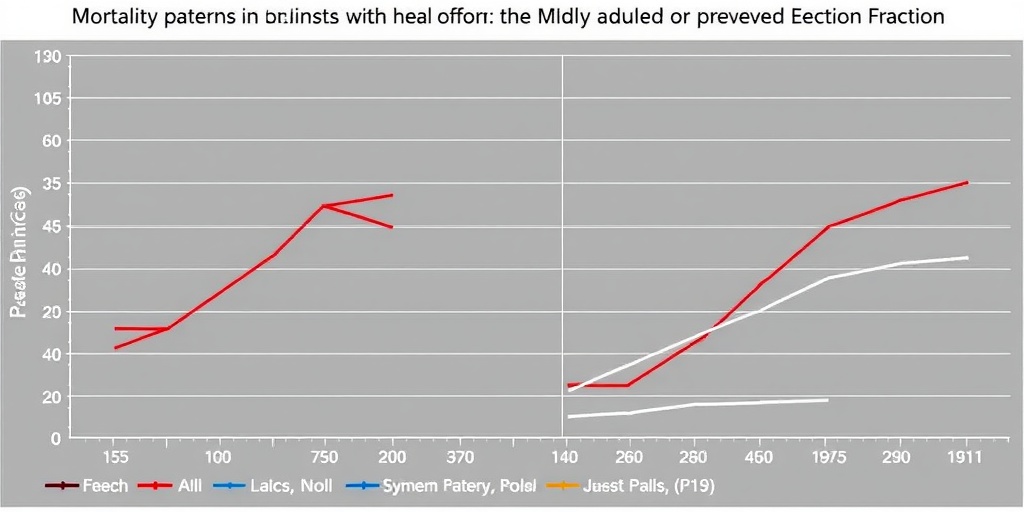
The Finerenone Trial to Investigate Efficacy and Safety Superior to Placebo in Patients With Heart Failure has presented striking insights into the realm of heart failure management. This notable randomized clinical trial focused on patients diagnosed with heart failure, particularly those exhibiting mildly reduced or preserved ejection fractions. Central to the findings of this research is the alarming correlation between lower ejection fractions, notably sub-50%, and an increased incidence of cardiovascular and overall mortality. These heightened mortality rates are largely attributed to a significant rise in sudden deaths among those affected.
Despite the grave implications underscored by the study, the trial’s outcomes also reveal a nuanced perspective regarding the therapeutic impact of finerenone, the investigational drug in focus. The data suggests that while there may be an association between lower ejection fractions and heightened risks of mortality, a definitive treatment effect of finerenone on cardiovascular or cause-specific mortality was not conclusively determined. This presents a critical point for clinicians and researchers alike, as the evident lack of a clear treatment benefit implies a need for further inquiry into the efficacy of finerenone in this specific patient population.
One of the most striking elements of the trial’s findings is its concerted emphasis on the demographics of patients experiencing heart failure. The data indicating a heightened risk of sudden death among those with an ejection fraction below 50% raises crucial questions regarding the pathophysiological mechanisms contributing to these outcomes. Understanding these connections is vital for developing targeted interventions that may ameliorate the risks faced by this vulnerable patient demographic.
The study draws attention to the urgent need for healthcare providers to adopt a more vigilant approach in assessing patients with heart failure. Especially for those with compromised ejection fractions, persistent monitoring may be essential to preemptively address situations that could lead to sudden mortality. Such vigilance may include tailoring medical treatments, refining pharmacological strategies, and deepening patient education regarding symptom recognition and management.
The trial’s findings also underscore the importance of statistical power in clinical trials assessing mortality outcomes. The acknowledged underpowering of this particular study could mean that potentially significant effects of finerenone on mortality might remain undetected. Consequently, it provokes a broader discussion about the need for further research designed with sufficient power to conclusively address these outcomes.
As the findings are introduced to the scientific community at the American College of Cardiology’s Annual Scientific Session, the response is expected to generate considerable discussion and scrutiny. This event serves as a platform for fragmenting traditional methodologies surrounding heart failure treatment, opening new avenues for interdisciplinary dialogue that could foster innovative approaches in patient care.
In dissecting the nuances of this clinical trial, an examination of the therapeutic landscape remains imperative. The implications of finerenone’s effects—or lack thereof—on cardiovascular health open the door for researchers to evaluate additional pharmacological agents that may better target the underlying mechanisms of heart failure. It reiterates the importance of persistent innovation in treatment strategies to enhance patient outcomes.
Moreover, the overarching narrative woven throughout the study heavily emphasizes the necessity for personalized medicine within cardiology. Acknowledging the variability in patient responses based on ejection fraction status can catalyze a shift towards more tailored treatment protocols that consider individual risk profiles. This approach has the potential to substantially reduce mortality rates and enhance overall quality of life for individuals grappling with heart failure.
Conclusion, it is evident that while this trial brings to light critical aspects of heart failure associated mortality, it also reflects broader challenges faced within clinical research, especially concerning statistical power and treatment efficacy. The implications extend well beyond the confines of the clinical trial itself, introducing an opportunity to rethink established paradigms in heart failure management.
Future studies must not only focus on the efficacy of finerenone but also aim to incorporate diverse patient populations to gain a comprehensive understanding of the drug’s effects. Notably, the confluence of various demographic factors might reveal patterns that could provide crucial insights into improving treatment strategies for heart failure patients around the globe.
Ultimately, the findings from the Finerenone Trial present both a call to action and a source of contemplation for the medical community. The challenge now lies in translating these insights into actionable strategies that can reduce mortality and enhance well-being in patients afflicted by this persistent and multifaceted disease.
As researchers and practitioners continue to deliberate on the data presented, the necessity for ongoing discourse and inquiry remains paramount. In doing so, the medical community can foster an ecosystem of continual improvement in the management of cardiovascular diseases, ensuring that patients receive the care and attention they deserve.
Cite Scienmag News
Ophelia Keating. (March 30, 2025). Mortality Patterns in Patients with Heart Failure and Mildly Reduced or Preserved Ejection Fraction. Scienmag. https://scienmag.com/mortality-patterns-in-patients-with-heart-failure-and-mildly-reduced-or-preserved-ejection-fraction/
Ophelia Keating. "Mortality Patterns in Patients with Heart Failure and Mildly Reduced or Preserved Ejection Fraction." Scienmag, 30 March 2025, https://scienmag.com/mortality-patterns-in-patients-with-heart-failure-and-mildly-reduced-or-preserved-ejection-fraction/. Accessed 4 September 2026.
Ophelia Keating. "Mortality Patterns in Patients with Heart Failure and Mildly Reduced or Preserved Ejection Fraction." Scienmag. March 30, 2025. https://scienmag.com/mortality-patterns-in-patients-with-heart-failure-and-mildly-reduced-or-preserved-ejection-fraction/


