

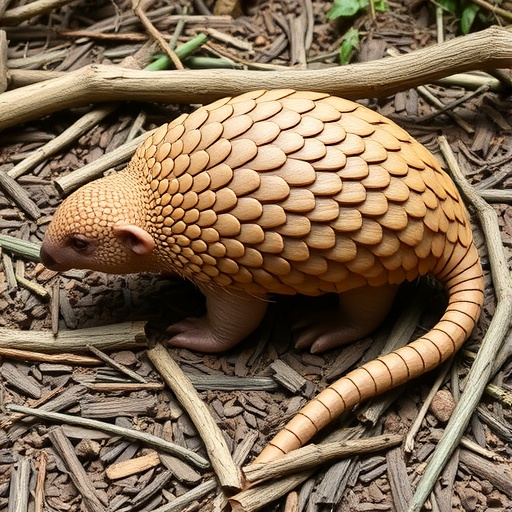
In the dense and diverse ecosystems of Borneo, the Sunda pangolin, a critically endangered species, faces an escalating threat from human activities. The increasing encroachment of humans into wildlife habitats presents significant challenges for conservationists and researchers dedicated to preserving this unique species. A recent study led by Gomez and colleagues introduces a groundbreaking habitat suitability model that aims to address these pressing challenges. This pioneering research serves as a crucial step in identifying the human-wildlife interface and provides critical insights into the implications of wildlife trade for the Sunda pangolin.
The significance of understanding the habitat requirements of the Sunda pangolin cannot be overstated. As listed among the most trafficked mammals globally, pangolins, particularly in Southeast Asia, are heavily impacted by poaching and illegal trade. The research conducted by Gomez et al. delves into the intricate relationships between human populations, urban development, and the natural habitats that are vital for the survival of the Sunda pangolin. By employing a habitat suitability model, the study meticulously assesses areas where pangolins can thrive amid anthropogenic pressures.
At the core of the model lies the integration of various environmental and socio-economic variables. The researchers collected extensive data on land use, vegetation types, and human population density, along with insights on local conservation practices. By employing sophisticated statistical analyses and machine learning algorithms, they were able to predict the optimal habitats for the Sunda pangolin. The findings of this study suggest that even in heavily modified landscapes, there are pockets of suitable habitats that could serve as refuges for these animals if suitable conservation strategies are implemented.
The implications of these findings extend beyond ecological predictions. As the demand for pangolin scales and meat continues to be a driving force behind wildlife trafficking, the results of this study provide essential information for policymakers. By identifying hotspots where human-wildlife interactions are most likely to occur, conservation efforts can be more effectively directed to regions where they are needed most. Furthermore, the study advocates for the development of conservation corridors that aim to connect fragmented habitats, allowing for safe passage for pangolins and other wildlife species.
The research also underscores the importance of community involvement in conservation efforts. Engaging local communities in protective measures not only fosters a sense of ownership but also enables sustainable practices that can mitigate the pressures of habitat destruction. Educational initiatives aimed at raising awareness about the plight of the Sunda pangolin are vital components of a comprehensive conservation strategy. Drawing connections between local livelihoods and pangolin conservation is essential to creating a sustainable approach that benefits both people and wildlife.
In addition, the study raises crucial questions about the future of wildlife trade regulations in the region. As the paper highlights, sustainable practices must be promoted alongside stricter enforcement of wildlife protection laws. Implementing guidelines that govern the trade of pangolins and their derivatives can reduce illegal poaching while ensuring that communities dependent on wildlife have alternative livelihoods. Collective action and better regulatory frameworks will be essential to safeguard the Sunda pangolin and maintain biodiversity in Borneo.
As Borneo’s natural ecosystems continue to face unprecedented threats, the conservation status of species like the Sunda pangolin is at a critical juncture. The research by Gomez et al. represents a clarion call to action, highlighting the urgent need for a multifaceted approach to conservation that includes habitat protection, community engagement, and regulatory reforms. Protecting the Sunda pangolin is not just about saving a single species; it is about preserving the intricate web of life that characterizes this exceptional region.
The powerful intersection of technology, community engagement, and wildlife conservation is exemplified in this study. By harnessing advanced modeling techniques and engaging local stakeholders, researchers are paving the way for innovative and sustainable conservation strategies. The future of the Sunda pangolin hangs in the balance, but through informed action and collaboration, there is hope for this remarkable species.
In conclusion, the habitat suitability model presented by Gomez and his colleagues provides a vital framework for understanding and addressing the threats faced by the Sunda pangolin in Borneo. As this research gains visibility, it is expected to resonate with conservationists, policymakers, and the general public alike. The urgency of the situation demands swift action, but the insights gleaned from this study illuminate a path forward, urging collective efforts to protect both the Sunda pangolin and its habitat.
As we reflect on the balance between human development and conservation, the study emphasizes that proactive measures must be taken now to ensure a future where the Sunda pangolin can thrive alongside human communities. The key takeaway from this research is clear: the time to act is now, for both wildlife and the wider environmental legacy that we leave for future generations.
By positioning this research within the broader context of wildlife conservation and human interactions, the study serves as a vital reminder of our responsibility to protect endangered species. With increased awareness and commitment to conservation, it is possible to envision a future where the Sunda pangolin is more than just a fleeting glimpse of a creature on the brink of extinction, but a thriving symbol of biodiversity resilience in Borneo.
Subject of Research: Habitat suitability model for Sunda pangolin conservation
Article Title: Habitat suitability model for identifying human-wildlife interface and implications for wildlife trade of Sunda pangolin in Borneo.
Article References:
Gomez, C.R., Sartor, C.C., Macdonald, D.W. et al. Habitat suitability model for identifying human-wildlife interface and implications for wildlife trade of Sunda pangolin in Borneo.
Environ Monit Assess 198, 108 (2026). https://doi.org/10.1007/s10661-025-14922-6
Image Credits: AI Generated
DOI: https://doi.org/10.1007/s10661-025-14922-6
Keywords: Conservation, wildlife trade, Sunda pangolin, habitat suitability, Borneo.


