


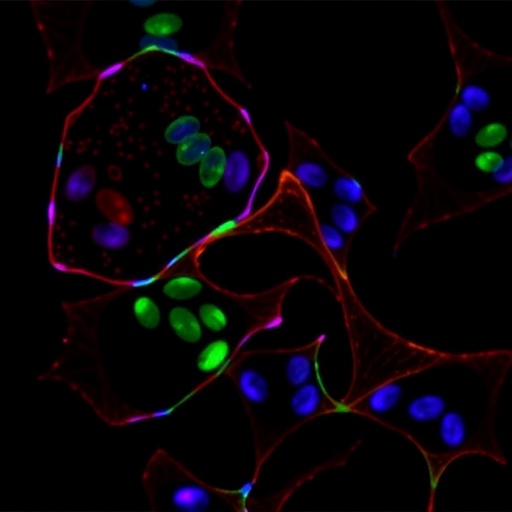
In a significant advancement in the realm of cancer research, recent findings have illuminated the intricate relationship between microRNAs and cancer pathways, specifically focusing on the dual inhibition of the PI3K-AKT signaling pathway through the overexpression of miR-542 in cervical cancer. This pivotal research not only deepens our understanding of cervical cancer’s molecular underpinnings but also opens the door for potential therapeutic strategies aimed at targeting these specific pathways.
Cervical cancer remains a pressing global health issue, with the World Health Organization reporting substantial incidence rates worldwide. The complexity of this malignancy is compounded by the diverse molecular pathways that contribute to its development and progression. Among these pathways, the PI3K-AKT signaling axis has emerged as a critical player, orchestrating various cellular processes, including cell proliferation, survival, and metabolism. Targeting this pathway has become a focal point for therapeutic exploration, especially in the context of cervical cancer, where traditional treatments often fall short.
MicroRNAs, short non-coding RNA molecules, have recently garnered attention for their regulatory roles in gene expression. Evidence suggests that these molecules can modulate numerous biological functions by influencing gene silencing mechanisms. miR-542, in particular, has demonstrated promise as a potential therapeutic target due to its capability to influence the PI3K-AKT signaling pathway. By inducing the overexpression of miR-542, researchers aim to harness its inhibitory effects on this critical signaling cascade.
The implications of miR-542 overexpression in cervical cancer are profound. The modulation of the PI3K-AKT pathway through this microRNA highlights a novel mechanism of action wherein tumor growth and metastasis can potentially be inhibited. The research underscores the dualistic nature of miR-542, which not only functions to silence specific oncogenes but also holds the potential to restore the apoptotic processes that are often dysregulated in cancerous cells.
As scientists delve deeper into the biochemistry of cervical cancer, the prospect of developing miR-542-based therapies becomes increasingly viable. The research sheds light on how the strategic modulation of miR-542 levels can result in a pronounced impact on cancer cell behavior. By disrupting the signaling cascades that propel cellular proliferation, there is potential for staving off tumorigenesis and improving patient outcomes.
Furthermore, the investigation into miR-542 touches upon the importance of personalized medicine in oncology. Tailoring treatments that exploit the unique genetic and molecular landscape of an individual’s tumor could sidestep many of the limitations posed by conventional therapies. The ability to utilize microRNAs such as miR-542 as part of a broader therapeutic arsenal signifies a promising shift towards more targeted cancer treatments.
Of equal importance is the aspect of cancer cell resistance to treatment. The research indicates that the dual inhibition through miR-542 overexpression could serve as a countermeasure against therapeutic resistance in cervical cancer. By impacting the PI3K-AKT pathway, it may be possible to enhance the efficacy of existing treatments, effectively reversing resistance mechanisms and leading to better clinical outcomes.
This pioneering study also emphasizes the necessity for extensive clinical trials to validate the findings and translate them into real-world applications. Incorporating miR-542 modulation into existing treatment protocols could represent a groundbreaking approach to managing cervical cancer, potentially leading to improved survival rates and quality of life for patients.
In conclusion, the dual inhibition of the PI3K-AKT signaling pathway mediated by miR-542 represents a promising frontier in cervical cancer therapeutic development. As research continues to unravel the complexities of microRNA roles in cancer biology, the potential for miR-542 to transform treatment paradigms in cervical cancer becomes increasingly tangible. The journey from bench to bedside, however, requires focused research efforts, fostering collaboration among scientists to navigate the challenges that lie ahead.
As we stand on the brink of a new era in cancer therapy, the findings associated with miR-542 are not just an academic pursuit but a beacon of hope for countless individuals grappling with cervical cancer. The path forward will undoubtedly require continued investigation and innovation, yet the prospect of harnessing the power of microRNAs heralds a new chapter in the fight against cancer, suggesting that we are one step closer to unlocking effective therapeutic avenues that could save lives.
Rahimi-Moghaddam, A., Ghorbanmehr, N. & Gharbi, S. Dual Inhibition of PI3K-AKT Signaling Pathway by miR-542 Overexpression in Cervical Cancer.
Biochem Genet (2025). https://doi.org/10.1007/s10528-025-11257-2
Cite Scienmag News
Nathaniel Bowman. (October 13, 2025). miR-542 Overexpression Halts Cervical Cancer Growth. Scienmag. https://scienmag.com/mir-542-overexpression-halts-cervical-cancer-growth/
Nathaniel Bowman. "miR-542 Overexpression Halts Cervical Cancer Growth." Scienmag, 13 October 2025, https://scienmag.com/mir-542-overexpression-halts-cervical-cancer-growth/. Accessed 4 September 2026.
Nathaniel Bowman. "miR-542 Overexpression Halts Cervical Cancer Growth." Scienmag. October 13, 2025. https://scienmag.com/mir-542-overexpression-halts-cervical-cancer-growth/


