

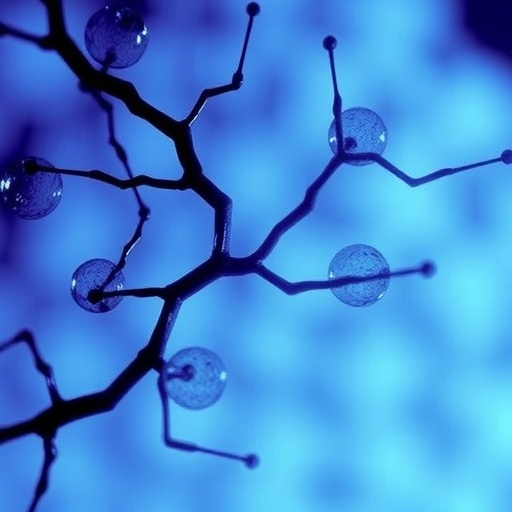
In a remarkable breakthrough that promises to revolutionize therapeutic strategies against neurodegenerative diseases, researchers from the University of Essex have engineered microscopic antibody fragments capable of operating inside human cells. This pioneering development, led by Dr Caitlin O’Shea and Dr Gareth Wright, leverages cutting-edge artificial intelligence to create “intrabodies”—a new class of antibody fragments that remain stable within the intracellular environment and target proteins fundamentally involved in conditions such as Alzheimer’s, Parkinson’s, and motor neurone disease (MND).
Traditionally, antibodies have been constrained to functioning outside cells, binding extracellular targets and mediating immune responses. However, most neurodegenerative diseases are driven by pathological processes occurring within cells, where aberrant proteins aggregate, disrupt normal function, and ultimately cause cell death. The challenge has been to design antibody-like molecules that can survive the harsh intracellular milieu and modulate these disease-causing proteins at their source. This new research addresses this challenge by ingeniously redesigning antibody fragments with chemical and structural properties optimized for cellular survival.
The crux of the study lies in understanding the biophysical determinants of antibody stability inside cells. Dr O’Shea’s team conducted an expansive computational analysis comparing the physiochemical properties of millions of antibody sequences with the endogenous proteins naturally existing within cells. Their most significant finding was the pivotal role of electrical charge: conventional antibodies carry charge distributions that render them prone to misfolding and aggregation in the reducing, crowded environment inside cells. By contrast, proteins stable inside the cell typically possess specific charge characteristics that prevent such deleterious interactions.
Harnessing this insight, the researchers employed advanced AI-driven protein redesign tools developed by Nobel Laureate David Baker’s laboratory. These algorithms enabled systematic editing of the antibody fragments to alter surface charge patterns, enhance solubility, and improve overall folding stability while preserving their antigen-binding capabilities. With this methodology, an impressive 672 different antibody fragments were successfully converted into intrabodies that can bind disease-related proteins within live cells without losing function.
The implications of creating such intracellular antibodies are profound. These intrabodies can directly intervene in the molecular cascades that trigger neurodegeneration by selectively binding and potentially neutralizing pathological protein species. This targeted intracellular approach circumvents limitations posed by extracellular-only treatments and opens new frontiers for therapeutic development. Since the proteins implicated in neurodegenerative disorders often display highly complex folding and aggregation behaviors inside neurons, having molecular tools designed to function within that exact biological context is a major advantage.
Moreover, the inherent modularity and adaptability of antibodies mean that this intrabody platform could be rapidly tailored to a wide array of disease targets beyond the initial focus. By repurposing the vast repository of existing antibodies through AI-guided redesign, scientists now have an accessible toolkit for generating intracellular binders against numerous therapeutic targets. This breakthrough could thus catalyze a paradigm shift in both basic research—allowing unprecedented manipulation of protein function inside living cells—and clinical applications aiming to develop precision molecular treatments.
Dr Gareth Wright emphasized the broad public health impact of the research. Neurodegenerative diseases like Alzheimer’s and MND are devastating conditions that collectively affect millions worldwide, manifesting in cognitive impairment, motor dysfunction, and often culminating in fatality. Current treatment options remain limited and largely symptomatic. The ability to develop intrabodies provides a potential pathway to disease-modifying therapies that intervene early and specifically at the molecular roots of these illnesses.
The study also aligns seamlessly with emerging gene therapy technologies. Intrabodies, when delivered as genetic material, could be continuously expressed within neurons, potentially providing durable and potent therapeutic effects. This biomolecular synergy offers hope for designing novel treatments that can precisely target intracellular disease drivers without off-target effects typical of small-molecule drugs or external antibodies.
Funding from the MND Association underscored the translational promise of the research. The charity’s Chief Scientist, Dr Brian Dickie, noted how the innovative intrabody approach presents a critical advance in overcoming long-standing obstacles to antibody-based treatments for neurodegenerative diseases. Combined with gene delivery techniques, these intracellular antibodies represent a frontier in molecular medicine capable of selectively engaging pathogenic proteins within neurons—ushering in a new era of therapeutic possibilities.
The detailed findings and methodologies of this groundbreaking work have been published in the prestigious journal Nature Communications. By openly sharing the redesigned intrabody molecules and computational protocols, the team is fostering a collaborative scientific environment that accelerates discovery and application across the biomedical community. The availability of these tools will empower researchers worldwide to explore and expand upon this therapeutic platform.
Scientific experts and clinicians alike have hailed the research as a critical step toward bridging gaps between protein science, antibody engineering, and neurodegeneration therapy development. The fusion of AI-driven protein design, molecular biology, and clinical relevance showcased in this work epitomizes the multidimensional innovation required to tackle some of the most challenging diseases of our time.
In summary, this pioneering achievement not only elucidates the fundamental biophysical principles governing antibody stability inside cells but also translates that knowledge into a versatile and powerful toolset with transformative potential for neurodegenerative disease treatment. As this technology matures, it promises to unlock new avenues in the fight against devastating brain disorders, offering hope for improved outcomes for millions of patients globally.
Subject of Research: Development of intracellular antibodies (intrabodies) for targeting proteins associated with neurodegenerative diseases.
Article Title: Reliable repurposing of the antibody interactome inside the cell
News Publication Date: 31-Jan-2026
Web References: https://doi.org/10.1038/s41467-026-69057-0
Image Credits: University of Essex
Keywords: Neurodegenerative diseases, Alzheimer’s, Parkinson’s, motor neurone disease, intrabodies, antibody engineering, artificial intelligence, protein redesign, intracellular antibodies, molecular therapeutics, antibody stability, neurodegeneration


