


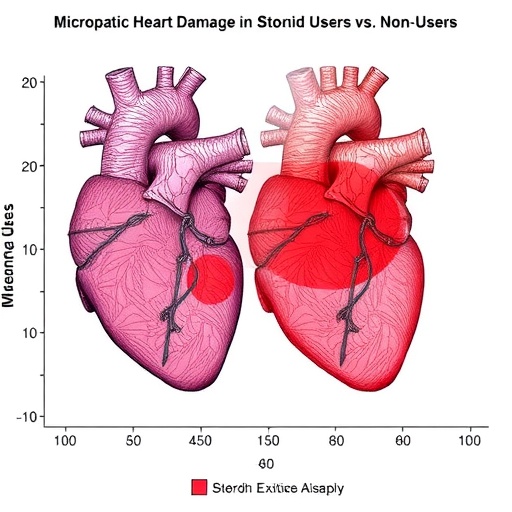
In a groundbreaking study published in the International Journal of Legal Medicine, researchers have unveiled microscopic cardiac pathologies that distinctly differentiate anabolic androgenic steroid (AAS) users from non-users during forensic autopsies. This extensive comparative study offers unprecedented insight into the subtle yet significant cardiac alterations induced by prolonged steroid abuse. As concerns surrounding the cardiovascular risks of AAS escalate worldwide, this research carries immense implications for forensic medicine, clinical diagnostics, and public health awareness.
The study pivots on microscopic examination techniques, meticulously dissecting cardiac tissues from a diverse cohort of decedents, both known AAS users and matched non-user controls. Utilizing advanced histopathological staining methods and cutting-edge imaging modalities, the investigators have delineated the structural and cellular cardiac changes attributable to steroid exposure. The findings underscore the dire consequences that chronic anabolic androgenic steroid consumption can have on myocardial integrity, impacting both the cellular architecture and the extracellular matrix.
Delving into the histological specifics, the researchers observed marked myocardial hypertrophy — a thickening of the heart muscle — significantly more pronounced in AAS users. This hypertrophic remodeling is characterized not merely by gross enlargement but by profound cellular alterations, including the enlargement of cardiomyocytes and increased fibrosis within the cardiac interstitium. Such fibrosis compromises the elasticity and conductive properties of cardiac tissue, predisposing individuals to potentially fatal arrhythmias and impaired contractile function.
In addition to hypertrophic changes, a notable prevalence of myocyte disarray was identified among steroid users. This microscopic disorganization of muscle fibers disrupts the synchronized contraction of the heart, creating electrophysiological instability. This subtle pathology, often invisible during gross autopsy, is now being linked definitively to exogenous anabolic steroid exposure, shedding light on a long-suspected but poorly understood cardiac risk factor associated with steroid abuse.
The study further reveals a significant augmentation in microvascular abnormalities within the myocardial tissue of steroid users. Capillary density was markedly reduced, and various degrees of microvascular wall thickening were evident, suggesting compromised myocardial perfusion. This ischemic environment can foster chronic cardiomyocyte injury and sets the stage for the development of cardiomyopathies. The researchers emphasize that these vascular changes may account for some of the sudden cardiac deaths observed in young steroid abusers.
Another critical finding pertains to the increased prevalence of inflammatory infiltrates in the cardiac tissue of AAS users. Histological sections revealed focal accumulations of inflammatory cells, predominantly lymphocytes and macrophages, indicating a chronic low-grade myocarditis. This inflammation could reflect direct immunomodulatory effects of steroids or secondary responses to ongoing tissue injury, compounding the deleterious cardiac remodeling processes.
What makes this research particularly compelling is its forensic angle, as the subtle histopathological differences identified have potent diagnostic value. Forensic pathologists frequently encounter challenges when determining causes of sudden cardiac death, especially in younger individuals without overt cardiac disease. The distinct microscopic alterations documented here offer novel biomarkers for suspecting anabolic steroid use postmortem, enhancing the accuracy of forensic investigations and potentially influencing legal and medical protocols.
The data also implicate anabolic androgenic steroid use in the exacerbation of pre-existing cardiac conditions. Many AAS users suffer from undiagnosed hypertensive or ischemic heart diseases, and steroid-induced myocardial remodeling accelerates pathological progression. The synergistic deterioration caused by this drug exposure elucidates why some individuals experience catastrophic cardiac events at relatively young ages without traditional risk factors.
From a molecular standpoint, the pathogenesis of these steroid-induced cardiac alterations involves androgen receptor-mediated signaling pathways within cardiomyocytes. Steroids promote protein synthesis and growth factor expression, leading to maladaptive hypertrophy. Moreover, they modulate fibroblast activity, driving extracellular matrix deposition and fibrosis. The inflammatory component likely involves the dysregulation of cytokines and immune cell recruitment, a process needing further elucidation.
Implications for clinical cardiology are profound. Clinicians should maintain heightened vigilance for subtle signs of cardiac dysfunction in patients known or suspected to abuse anabolic steroids. Non-invasive imaging combined with biomarkers reflecting myocardial fibrosis and inflammation could aid early detection. Preventive strategies need reinforcing among at-risk populations, given that these microscopic changes often precede overt clinical symptoms.
Public health messaging must evolve to incorporate these forensic findings, highlighting the hidden cardiac dangers of anabolic androgenic steroids beyond their well-known musculoskeletal effects. The allure of enhanced physical performance and aesthetics masks a trove of silent cardiac damage, potentially culminating in sudden death. Educational campaigns should leverage this compelling microscopic evidence to dissuade steroid abuse.
Future research avenues opened by this study include exploring pharmacological interventions to ameliorate or reverse steroid-induced myocardial fibrosis and inflammatory injury. Identifying genetic or environmental modifiers influencing individual susceptibility to cardiac damage could personalize risk stratification. The integration of autopsy data with clinical registries may further consolidate our understanding of the long-term cardiac sequelae of anabolic steroid use.
In summary, this meticulous forensic investigation lays bare the microscopic cardiac devastations wrought by anabolic androgenic steroids. The comprehensive comparative approach enriches our comprehension of steroid-related cardiotoxicity, bridging gaps between forensic pathology, clinical cardiology, and public health. As anabolic steroid misuse persists globally, these revelations assume critical importance for preventing avoidable cardiac fatalities.
This seminal work stands as a stark reminder that beneath the powerful physique molded by anabolic steroids lies a heart often compromised at a cellular level, unseen yet perilous. The forensic microscope has thus spoken, voicing the silent toll of a potent but dangerous class of drugs, urging society to reckon with the true cost of performance enhancement.
Cite Scienmag News
Ophelia Keating. (October 18, 2025). Microscopic Heart Damage in Steroid Users vs. Non-Users. Scienmag. https://scienmag.com/microscopic-heart-damage-in-steroid-users-vs-non-users/
Ophelia Keating. "Microscopic Heart Damage in Steroid Users vs. Non-Users." Scienmag, 18 October 2025, https://scienmag.com/microscopic-heart-damage-in-steroid-users-vs-non-users/. Accessed 4 September 2026.
Ophelia Keating. "Microscopic Heart Damage in Steroid Users vs. Non-Users." Scienmag. October 18, 2025. https://scienmag.com/microscopic-heart-damage-in-steroid-users-vs-non-users/


