

Friday, July 17, 2026
Science
No Result
View All Result
  • Login
  • HOME
  • SCIENCE NEWS
  • CONTACT US
  • HOME
  • SCIENCE NEWS
  • CONTACT US
No Result
View All Result
Scienmag
No Result
View All Result
Home Science News Psychology & Psychiatry

Methylphenidate Impacts Human Vascular Endothelium, Study Finds

July 17, 2026
in Psychology & Psychiatry
Reading Time: 2 mins read
0
Methylphenidate Impacts Human Vascular Endothelium, Study Finds

Methylphenidate Impacts Human Vascular Endothelium, Study Finds

65
SHARES
587
VIEWS
Share on FacebookShare on Twitter
ADVERTISEMENT

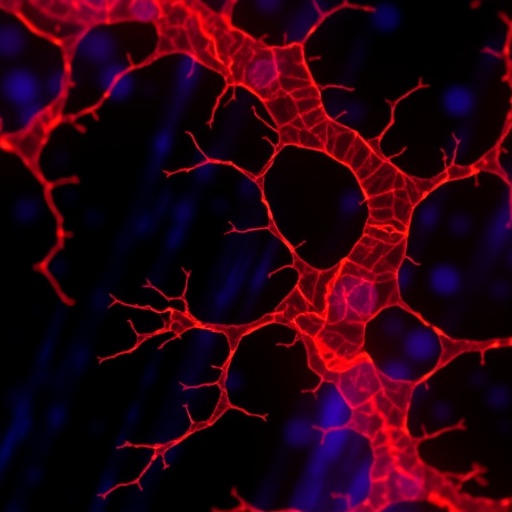
Long-term use of methylphenidate (MPH), a first-line treatment for attention-deficit/hyperactivity disorder, may carry previously underappreciated vascular risks, according to new translational findings published in Translational Psychiatry. The study reports that MPH can directly activate the endothelium—the thin cellular lining that regulates vascular tone, immune trafficking, and barrier function.

Using both human brain-derived and peripheral vascular endothelial cell models, the researchers observed a pattern of endothelial activation following MPH exposure. This activation suggests that MPH may trigger pro-inflammatory and pro-adhesive signaling programs that can set the stage for vascular dysfunction, even in the absence of systemic disease.

A key experimental focus was concentration. The investigators found that exposure to supratherapeutic concentrations of MPH further impaired barrier integrity. In practical terms, endothelial barriers normally restrict leakage and control trans-endothelial movement of cells and solutes; disrupting that balance can increase susceptibility to tissue injury and downstream cardiovascular complications.

The work connects mechanistic cellular outcomes to broader epidemiological discussions about cardiovascular risk during MPH therapy. While real-world studies have raised concerns in some cohorts, causal links at the level of human vascular biology have been difficult to establish. Here, the authors provide in vitro evidence that MPH can affect both signaling and physical barrier properties of endothelial cells.

Notably, barrier compromise intensified under higher MPH levels, indicating that dose and exposure dynamics may meaningfully influence vascular effects. This finding matters for patients who experience prolonged treatment or altered pharmacokinetics, scenarios in which drug levels could approach or exceed intended therapeutic ranges.

Together, these results support a model in which MPH exposure—particularly at supratherapeutic concentrations—can promote endothelial dysfunction through both activation pathways and weakened barrier resistance. Such effects could plausibly translate into clinically relevant changes in vascular health over time.

The authors emphasize that their results, while compelling, are derived from controlled cellular systems. They therefore call for additional in vivo studies that can evaluate systemic vascular endpoints and for longitudinal clinical investigations to determine whether these endothelial effects correspond to measurable cardiovascular outcomes in patients on long-term MPH.

Until those studies are available, the findings sharpen the scientific conversation around safe long-term stimulant therapy. They also highlight the importance of monitoring and understanding exposure levels, not just prescribing indications, when considering cardiovascular risk.

Subject of Research: Methylphenidate effects on the human vascular endothelium

Article Title: Effects of methylphenidate on the human vascular endothelium

Article References: Cai, W., Giacobini, M., Österholm, C. et al. Effects of methylphenidate on the human vascular endothelium. Transl Psychiatry 16, 369 (2026). https://doi.org/10.1038/s41398-026-04237-6

Image Credits: AI Generated

DOI: 10.1038/s41398-026-04237-6

Keywords:

Tags: ADHD medication side effects on blood vesselscardiovascular complications from ADHD medicationendothelial barrier dysfunctionendothelial cell activationendothelial response to methylphenidatelong-term effects of MPH on vascular systemmethylphenidate vascular riskspro-inflammatory signaling in endotheliumsupratherapeutic drug concentrationstissue injury and vascular healthtranslational research on methylphenidatevascular toxicity of psychostimulants
Share26Tweet16
Previous Post

Effects of Deforestation and Reforestation on Soil Biodiversity and Ecosystem Function

Next Post

Social Media Use Linked to ADHD Symptoms in Adolescents, Study Finds

Related Posts

Biological Markers of Cancer-Related Fatigue Found in Older Male Survivors
Psychology & Psychiatry

Biological Markers of Cancer-Related Fatigue Found in Older Male Survivors

July 17, 2026
Gamma and beta rhythms and 1/f slope shift with depression severity
Psychology & Psychiatry

Gamma and beta rhythms and 1/f slope shift with depression severity

July 17, 2026
Orienting Selective Attention Within Long-Term Contextual Memories
Psychology & Psychiatry

Orienting Selective Attention Within Long-Term Contextual Memories

July 16, 2026
Separating Human Projection from Machine Cognition Is Key to LLM Understanding
Psychology & Psychiatry

Separating Human Projection from Machine Cognition Is Key to LLM Understanding

July 16, 2026
Traumatic Experiences Linked to Depression Symptoms in LGBTQ+ People in China
Psychology & Psychiatry

Traumatic Experiences Linked to Depression Symptoms in LGBTQ+ People in China

July 16, 2026
Social Isolation Disrupts Prefrontal Excitatory–Inhibitory Balance, Impairs Novel Social Memory in Male Mice
Psychology & Psychiatry

Social Isolation Disrupts Prefrontal Excitatory–Inhibitory Balance, Impairs Novel Social Memory in Male Mice

July 16, 2026
Next Post
Social Media Use Linked to ADHD Symptoms in Adolescents, Study Finds

Social Media Use Linked to ADHD Symptoms in Adolescents, Study Finds

  • Mothers who receive childcare support from maternal grandparents show more

    Mothers who receive childcare support from maternal grandparents show more parental warmth, finds NTU Singapore study

    27656 shares
    Share 11059 Tweet 6912
  • University of Seville Breaks 120-Year-Old Mystery, Revises a Key Einstein Concept

    1061 shares
    Share 424 Tweet 265
  • Bee body mass, pathogens and local climate influence heat tolerance

    682 shares
    Share 273 Tweet 171
  • Researchers record first-ever images and data of a shark experiencing a boat strike

    546 shares
    Share 218 Tweet 137
  • Groundbreaking Clinical Trial Reveals Lubiprostone Enhances Kidney Function

    531 shares
    Share 212 Tweet 133
Science

Embark on a thrilling journey of discovery with Scienmag.com—your ultimate source for cutting-edge breakthroughs. Immerse yourself in a world where curiosity knows no limits and tomorrow’s possibilities become today’s reality!

RECENT NEWS

  • El Niño Impacts Global Water Storage Through Asymmetric Hydrological Patterns
  • Hybrid Positioning System Promises Reliable Tracking When GPS Fails
  • IRP1/ARID3A complex identified as a new epigenetic driver of pancreatic cancer chemoresistance
  • Entropy Gravity Theory Provides New Clues to Reconcile Gravity With Thermodynamics’ Second Law

Categories

  • Agriculture
  • Anthropology
  • Archaeology
  • Athmospheric
  • Biology
  • Biotechnology
  • Blog
  • Bussines
  • Cancer
  • Chemistry
  • Climate
  • Earth Science
  • Editorial Policy
  • Marine
  • Mathematics
  • Medicine
  • Pediatry
  • Policy
  • Psychology & Psychiatry
  • Science Education
  • Social Science
  • Space
  • Technology and Engineering

Subscribe to Blog via Email

Enter your email address to subscribe to this blog and receive notifications of new posts by email.

Join 5,146 other subscribers

© 2025 Scienmag - Science Magazine

Welcome Back!

Login to your account below

Forgotten Password?

Retrieve your password

Please enter your username or email address to reset your password.

Log In
No Result
View All Result
  • HOME
  • SCIENCE NEWS
  • CONTACT US

© 2025 Scienmag - Science Magazine

Discover more from Science

Subscribe now to keep reading and get access to the full archive.

Continue reading
