


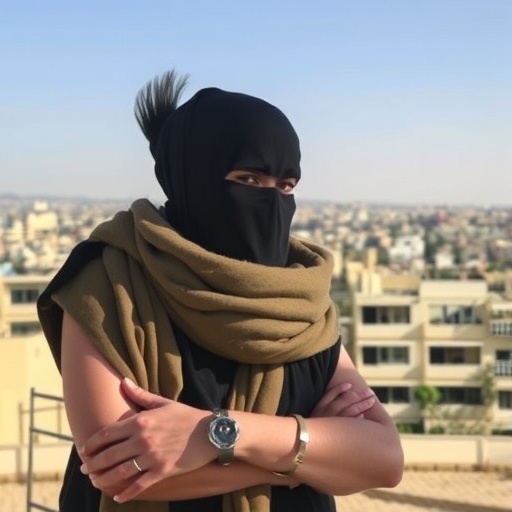
In an era marked by escalating mental health challenges worldwide, a new study has shed light on an often-overlooked demographic: Palestinian mental health professionals in the West Bank. Conducted by researchers M. Ahmead and I. Nawajah, this groundbreaking cross-sectional study delves into the complexities of depression, anxiety, and the coping strategies employed by these professionals as they navigate their significant roles within a troubled sociopolitical sphere. As frontline responders to human suffering, these individuals not only assist others in their mental health struggles but also confront their internal battles in the process.
Intriguingly, the research illuminates a dual-layered impact of the ongoing political instability and violence in the Palestinian territories. Mental health professionals often find themselves at the confluence of personal challenges and professional responsibilities. Their own experiences of anxiety and depression can complicate their ability to effectively support their clients, resulting in a complex interplay that raises serious concerns about both professional efficacy and personal well-being. An essential facet of this study is the exploration of how these professionals manage their emotional states while attempting to provide care amidst stressful environments.
The study employed a comprehensive methodology that included quantitative surveys and qualitative interviews. Researchers gathered data from a diverse cohort of mental health practitioners to ensure a representative analysis of the profession in the West Bank. This approach not only allowed for a depth of understanding but also painted a comprehensive picture of the psychological landscape faced by these professionals. Participants provided insights into their mental health experiences, revealing a pervasive sense of distress, yet they also highlighted their resilience—that determination to persist in the face of adversity.
Importantly, the findings indicate a high prevalence of depression and anxiety among the professionals surveyed. These statistics underscore the dire need for increased attention and support for mental health practitioners who are themselves grappling with the shadows of their work. Such emotional burdens can lead to burnout, reduced efficacy in client care, and ultimately, a declining public mental health landscape. The researchers advocate for systemic changes that could alleviate these professionals’ stresses, including organizational support, peer counseling, and perhaps most crucially, improved access to their own mental health resources.
An equally compelling aspect of the research pertains to the coping strategies employed by these mental health professionals. The study categorizes various methods, both adaptive and maladaptive, utilized by the participants to manage their distress. From seeking social support to relying on personal resilience, the professionals utilize a mixture of strategies, many of which stem from cultural practices and community ties. However, the reliance on maladaptive tactics such as avoidance and substance use raises concern, signaling a need for targeted interventions that foster healthier coping mechanisms.
The nuance of cultural context is not lost in this study. The researchers emphasize the significance of understanding the socio-cultural dynamics that shape mental health perceptions within Palestinian communities. The stigma associated with mental health issues can deter professionals from seeking help, reflecting broader societal views that equate vulnerability with weakness. By unpacking these cultural intricacies, this study advocates for culturally attuned interventions that address mental health not just as a clinical concern but as one that is interwoven with social identity and community values.
The importance of peer relationships among mental health professionals emerges as a critical theme within this research. The study indicates that establishing a solid network of support among colleagues is paramount for maintaining a healthy work-life equilibrium. Such interactions allow professionals to share experiences, affording them a necessary outlet for emotional expression. By fostering these relationships, mental health practitioners can mitigate feelings of isolation, reinforcing their commitment to both their professional roles and their personal well-being.
In light of the findings, Ahmead and Nawajah propose actionable steps that can be undertaken by institutions responsible for mental health services in the region. For one, there must be a concerted effort to develop training programs focused on building resilience and self-care practices among mental health professionals. Furthermore, they underscore the importance of creating safe spaces for practitioners to discuss their challenges without fear of judgment. Such initiatives could pave the way for a more supportive environment, enhancing the capacity of these professionals to serve vulnerable populations effectively.
The timeless adage “you cannot pour from an empty cup” resonates profoundly in the context of this research. Mental health professionals must prioritize their own mental health to be effective in their work. By emphasizing the importance of self-care and professional support, this study calls for a paradigm shift within organizations that serve mental health needs. Acknowledging the mental health of those who care for others can transform the landscape of psychological services, benefitting both providers and clients alike.
In summary, the research highlights not merely the struggles but the profound resilience embodied by Palestinian mental health professionals in the West Bank. As they grapple with their internal challenges amidst an environment fraught with external turmoil, their steadfast commitment to caring for others shines brightly. The study serves as an urgent call for recognition, understanding, and systemic improvement to support these vital caregivers. Only through a concerted effort can stakeholders ensure that these professionals are equipped not just to survive but to thrive in their indispensable roles.
The implications of this research extend far beyond the West Bank, inviting global audiences to reflect on the well-being of mental health professionals everywhere. In a world increasingly reliant on the expertise of these caregivers, it is imperative that we pay as much attention to their needs as we do to the concerns of those they serve. As we move toward a more holistic understanding of mental health, let this study be a catalyst for broader dialogues about well-being in the field of mental healthcare, both within Palestine and beyond.
Ahmead, M., Nawajah, I. Depression, anxiety, and coping strategies among Palestinian mental health professionals in the West Bank, Palestine: a cross sectional study.
Discov Psychol 5, 125 (2025). https://doi.org/10.1007/s44202-025-00457-x
Cite Scienmag News
Glenn Wilkins. (October 22, 2025). Mental Health Challenges of Palestinian Professionals in West Bank. Scienmag. https://scienmag.com/mental-health-challenges-of-palestinian-professionals-in-west-bank/
Glenn Wilkins. "Mental Health Challenges of Palestinian Professionals in West Bank." Scienmag, 22 October 2025, https://scienmag.com/mental-health-challenges-of-palestinian-professionals-in-west-bank/. Accessed 3 September 2026.
Glenn Wilkins. "Mental Health Challenges of Palestinian Professionals in West Bank." Scienmag. October 22, 2025. https://scienmag.com/mental-health-challenges-of-palestinian-professionals-in-west-bank/


