

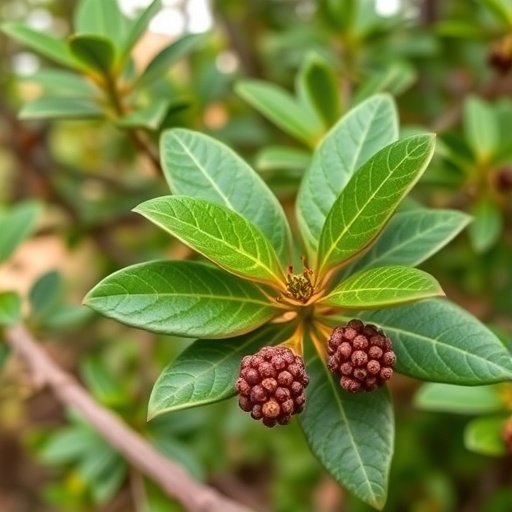
In an era increasingly dominated by the search for natural remedies and treatments, the dynamics of traditional medicine are gaining global attention. A groundbreaking study conducted by Turpin, Yeshi, Crayn, and colleagues reveals astonishing properties of bush medicine used by the Mbabaram Aboriginal community in Far North Queensland, Australia. This research highlights the strong antioxidant and anti-inflammatory activities of these traditional remedies, opening new avenues for potential therapeutic applications.
The Mbabaram community has a rich history of using bush medicine. These indigenous practices are deeply intertwined with their cultural identity and heritage. Through generations, the community has utilized native plants for healing, showcasing a profound understanding of the local ecosystem. The current study meticulously documents these traditional practices, analyzing the bioactive compounds in the plants used by the Mbabaram Aboriginal people.
The researchers employed advanced methodologies to assess the efficacy of various bush medicine preparations. By isolating specific compounds typically found in native flora, they conducted in-vitro tests to measure antioxidant activity. Antioxidants are crucial because they combat oxidative stress, which is linked to various chronic diseases, including cancer and heart disease. The findings reveal that certain plant extracts possess remarkable antioxidant capabilities, potentially rivaling synthetic antioxidants.
Moreover, understanding the anti-inflammatory properties of these traditional remedies sheds light on their empirical use in managing health conditions characterized by inflammation. Chronic inflammation is a silent killer implicated in numerous health ailments, including arthritis, diabetes, and cardiovascular disease. The study indicates that the anti-inflammatory activity of selected bush medicine components could lead to natural alternatives to common pharmaceutical anti-inflammatory treatments, aligning with a growing trend towards holistic health solutions.
The study’s implications extend beyond just health benefits. By validating traditional knowledge, it could empower Indigenous communities, fostering a dialogue between modern science and traditional wisdom. The relationship between local flora and the health of the community illustrated in this research underscores the importance of preserving indigenous knowledge systems. Often overlooked, these practices may offer alternative solutions to global health challenges.
Furthermore, the research emphasizes the necessity for conservation efforts concerning these plants. As urbanization and climate change threaten biodiversity, sustaining the environment that nurtures these vital resources becomes ever more critical. By documenting the relationships between plants and their medicinal uses, the study advocates for the preservation of biodiversity and cultural heritage.
Additionally, the research underlines the potential for commercial applications. As the demand for natural health products grows, there is an opportunity to develop sustainable products derived from these traditional remedies. The incorporation of such natural products into mainstream health and wellness markets could stimulate local economies while promoting cultural recognition. This dual benefit often resonates with consumers seeking authenticity in their health choices.
In the scientific community, the study contributes significantly to pharmacognosy, the branch that studies medicinal drugs derived from plants or other natural sources. Pharmacologists can analyze the specific bioactive compounds identified, guiding further research in drug development. This could lead to new therapeutic agents that are more effective and carry fewer side effects than their synthetic counterparts.
The collaborative nature of this research also showcases the importance of interdisciplinary studies combining ethnobotany, pharmacology, and traditional knowledge. By merging these fields, new insights into the therapeutic potential of Indigenous medicinal practices can be cultivated. Moreover, collaboration with Indigenous communities in research endeavors fosters trust and respect, essential for ethical scientific practices.
In summary, the study elucidates the significant potential of bush medicine from the Mbabaram Aboriginal community. It not only opens scientific avenues for research but also emphasizes the need for respect for indigenous practices and ecological conservation. The validation of traditional knowledge through scientific inquiry emphasizes the importance of holistic approaches to health and wellness in today’s society.
As we reflect on the implications of this study, it’s evident that the future of medicine may not lie solely in laboratories and clinical trials. Instead, learning from Indigenous practices can be instrumental in forging a path toward innovative healthcare solutions. This journey acknowledges the wisdom of ancient cultures while embracing modern scientific techniques, paving the way for a richer understanding of our relationship with natural medicine.
As research continues to unfold, we anticipate further discoveries that could reshape the narrative surrounding traditional medicine. Responsible exploration of these healing practices will undoubtedly contribute to a more sustainable and inclusive medical future, bringing us one step closer to a world where ancient wisdom and modern science coexist harmoniously.
Subject of Research: Mbabaram Aboriginal bush medicine; antioxidant and anti-inflammatory properties
Article Title: Bush medicine of the Mbabaram Aboriginal community in Far North Queensland demonstrates strong antioxidant and anti-inflammatory activities
Article References:
Turpin, G., Yeshi, K., Crayn, D. et al. Bush medicine of the Mbabaram Aboriginal community in Far North Queensland demonstrates strong antioxidant and anti-inflammatory activities.
BMC Complement Med Ther 25, 398 (2025). https://doi.org/10.1186/s12906-025-05042-2
Image Credits: AI Generated
DOI: https://doi.org/10.1186/s12906-025-05042-2
Keywords: Mbabaram, bush medicine, antioxidant, anti-inflammatory, Indigenous knowledge, traditional medicine, pharmacology, natural remedies.


