


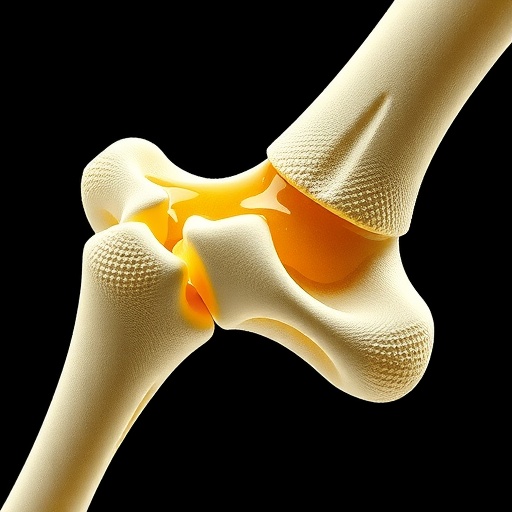
Honey and Oregano Join Forces in a 3D-Printed Scaffold Designed to Fight Bone Infections
A 3D-printed scaffold coated with manuka honey or oregano essential oil has shown strong early antibacterial activity while supporting the survival of bone-forming cells in laboratory tests. The composite material, developed by researchers in Brazil, Germany and France, is designed to address two problems that frequently collide in bone repair: the need to guide new tissue growth and the danger that bacteria will colonize an implant before healing is established. In experiments, coatings containing either natural substance sharply reduced populations of Staphylococcus aureus and Escherichia coli, two bacteria commonly used to evaluate biomaterial-associated infection. Oregano oil was the more powerful antibacterial agent, but both treatments released most of their active ingredients during the first week. That rapid delivery could provide protection during the vulnerable early period after implantation, although it also means the current design is unlikely to prevent infection over longer times without further engineering.
The scaffold’s architecture was produced by robocasting, also known as direct ink writing, an extrusion-based form of additive manufacturing. The researchers prepared a paste containing alginate, poly(vinyl alcohol), or PVA, and 45S5 bioactive glass. Alginate, a polysaccharide obtained from brown algae, forms a calcium-cross-linked gel and creates a water-rich environment favorable to cells. PVA contributes flexibility, strength and printability, while the glass supplies inorganic ions associated with bone bonding and regeneration. The 45S5 formulation contains silicon dioxide, sodium oxide, calcium oxide and phosphorus pentoxide. When exposed to physiological fluids, it can dissolve partially and promote the formation of a hydroxycarbonate apatite layer, a mineral phase chemically similar to the inorganic component of bone. The resulting printed structure was a porous, interconnected grid intended to provide space for tissue ingrowth and routes for nutrient transport.
To make the paste printable, the team dissolved PVA in phosphate-buffered saline at 80 degrees Celsius and separately dispersed the bioactive glass using ultrasonic treatment. Sonication broke up agglomerates, shifting the glass particle distribution from a broad peak near 1,024 nanometres to a narrower distribution centered around 298 nanometres. Alginate was then gradually incorporated to avoid clumping, and trapped air was removed by centrifugation. The material was extruded through a 410-micrometre nozzle at 160 kilopascals, producing seven layers in a square lattice. The strands were arranged with an offset between successive layers, creating interconnected pores. After printing, calcium chloride was used for 12 hours to cross-link the alginate. The structures were then cut into cylinders approximately 12 millimetres in diameter. Microscopy showed uniform struts without obvious glass clusters, and adding the coating increased the scaffold diameter to roughly 11.2–11.4 millimetres, compared with 9.6 millimetres for uncoated controls.
The antibacterial layer was made from gelatin, a collagen-derived protein that contains cell-binding sequences and can act as a carrier for therapeutic molecules. The gelatin was enzymatically cross-linked with microbial transglutaminase, then mixed either with manuka honey or oregano essential oil before the scaffolds were dipped into the solution. The honey formulation contained 150 microlitres of honey per millilitre of coating solution, while the oregano formulation contained 6.25 microlitres of oil per millilitre. Manuka honey is unusual among honeys because its activity is strongly associated with methylglyoxal, although its antibacterial effects can also involve acidity, osmotic pressure, hydrogen peroxide and antimicrobial peptides. Oregano oil contains carvacrol as a major active compound, together with thymol and other aromatic molecules. These compounds can insert into bacterial membranes, disturb membrane integrity and interfere with ion gradients that bacteria require to maintain energy production.
In tests using the pure substances, oregano oil inhibited both bacterial species at far lower concentrations than manuka honey. The minimum inhibitory concentration, or MIC—the lowest concentration that prevents detectable growth under the test conditions—was 3.125 microlitres per millilitre for S. aureus and 1.562 microlitres per millilitre for E. coli. The researchers therefore treated 3.125 microlitres per millilitre as an effective concentration against both organisms. Manuka honey required 75 microlitres per millilitre to prevent growth of either strain. The difference suggests that the tested oregano oil was approximately 25 times more potent on a volume basis, though the researchers caution that essential-oil composition varies with plant variety, geography, soil, harvest conditions and extraction method. Optical-density measurements were also difficult at high oil concentrations because the oil made the culture medium cloudy. For that reason, agar-plate growth was used to confirm inhibition rather than relying solely on turbidity.
The coated scaffolds produced their most dramatic effect during the first hours of exposure. After three hours, the gelatin–oregano scaffolds caused near-complete inhibition of both bacterial strains, outperforming the uncoated scaffold, gelatin-only scaffold and honey-coated scaffold. The oregano treatment remained the strongest at six hours, with the honey formulation also substantially reducing bacterial viability. By 24 hours, however, bacterial survival had increased in both coated groups. The result reveals a central design trade-off: a burst release can deliver a high antibacterial dose when an implant is first placed, but the same rapid discharge can exhaust the coating before a longer infection window has passed. The researchers’ release experiments showed that approximately 90 percent of both honey and oregano oil had left the coatings within seven days. Oregano oil reached about 85 percent release within four days, while honey approached 80 percent over the same period.
The release behavior was linked to the physical properties of the coating. Gelatin absorbs water and swells, allowing dissolved or dispersed molecules to diffuse outward. The smaller and more mobile components of the oil appear to move through the gelatin more quickly, whereas honey is a viscous mixture of sugars and other compounds that can slow diffusion slightly. The coatings also changed how much water the scaffolds absorbed and how they behaved over time. Uncoated structures reached roughly 285 percent of their initial mass by the seventh day, reflecting water uptake into the porous alginate-rich network. Honey- and oregano-containing coatings limited swelling to below 200 percent during the same period. After 28 days, the uncoated scaffolds retained about 260 percent of their original mass, compared with approximately 210 percent for gelatin-only structures, 155 percent for oregano-containing scaffolds and 145 percent for honey-containing scaffolds. Despite these changes, all groups remained visibly intact without fragmentation or collapse.
The biological tests also highlighted why simply applying concentrated natural antimicrobials directly to tissue would be risky. Pure honey and pure oregano oil showed cell-type-specific toxicity in cultures of human fibroblasts, murine pre-osteoblasts and other cell lines. Fibroblasts and MC3T3-E1 pre-osteoblasts were particularly sensitive, often falling below the 70 percent viability threshold commonly used in ISO 10993-5 cytotoxicity assessments. The likely causes differ between the agents: honey’s acidity and osmotic effects can stress cells, while carvacrol and thymol can disrupt mammalian membranes as well as bacterial ones at sufficiently high concentrations. Yet embedding either substance in gelatin changed the exposure profile. MC3T3-E1 cells grown directly on the coated scaffolds remained above the 70 percent viability threshold after seven days, even though equivalent concentrations of the free compounds had been harmful. The coating appears to have moderated the local dose, distributing release over time and reducing the immediate concentration experienced by the cells.
The findings do not yet establish that the scaffolds can repair infected bone in an animal or human body. The work was conducted in vitro, and the investigators did not directly measure the formation of hydroxycarbonate apatite after coating. That omission matters because gelatin, honey and essential oil could alter the rate at which bioactive glass exchanges ions with body fluids and forms a mineralized surface. The mechanical performance was also not comprehensively tested, and the brittle glass phase combined with relatively compliant polymers is expected to limit the material in heavily load-bearing locations. Before clinical use, researchers will need to examine mechanical strength under physiological loading, mineral formation in simulated body fluid, long-term degradation, inflammatory responses and performance in animal models. They will also have to standardize the chemical composition of the natural agents, particularly oregano oil and manuka honey, whose biological activity can vary substantially between batches. Still, the study demonstrates a promising strategy: a customizable printed structure for regeneration paired with a natural, locally delivered antibacterial coating. The next challenge is to make that protection last longer without sacrificing the cell compatibility that gives the approach its appeal.
Cite Scienmag News
Denise Maddox. (August 27, 2026). Manuka Honey and Oregano Oil Boost Antibacterial Protection in 3D-Printed Bone Scaffolds. Scienmag. https://scienmag.com/manuka-honey-and-oregano-oil-boost-antibacterial-protection-in-3d-printed-bone-scaffolds/
Denise Maddox. "Manuka Honey and Oregano Oil Boost Antibacterial Protection in 3D-Printed Bone Scaffolds." Scienmag, 27 August 2026, https://scienmag.com/manuka-honey-and-oregano-oil-boost-antibacterial-protection-in-3d-printed-bone-scaffolds/. Accessed 3 September 2026.
Denise Maddox. "Manuka Honey and Oregano Oil Boost Antibacterial Protection in 3D-Printed Bone Scaffolds." Scienmag. August 27, 2026. https://scienmag.com/manuka-honey-and-oregano-oil-boost-antibacterial-protection-in-3d-printed-bone-scaffolds/


