


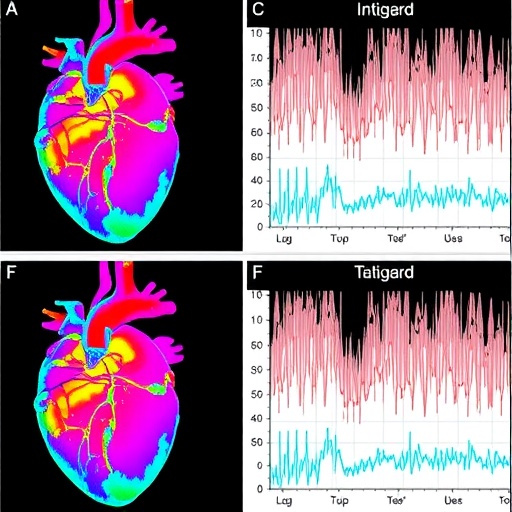
In an evolving landscape of cardiac care, a groundbreaking study has emerged that proposes a novel approach to the localization of early right ventricular activation sites. Spearheaded by researchers Seagren, Lancini, and Ni, this research taps into the distinguished capabilities of machine learning algorithms to enhance the understanding of heart rhythm disorders. The implications of their findings, soon to be published in the esteemed journal Annals of Biomedical Engineering, could pave the way for more effective treatment strategies for patients suffering from arrhythmias.
At the heart of this study lies the utilization of QRS integral features as a key input for machine learning models. The QRS complex, representing the fingerprint of ventricular depolarization on an electrocardiogram (ECG), is crucial for identifying electrical activation patterns within the heart. By harnessing the intricate details encoded in the QRS waveform, the researchers were able to train machine learning algorithms to accurately pinpoint early activation sites in the right ventricle. This is a critical advancement, as articulating the exact locations of these activation sites can significantly influence the therapeutic interventions employed.
The application of machine learning to cardiac electrophysiology is a transformative concept that has only recently began to gain traction. Traditionally, the localization of arrhythmic foci has been a labor-intensive process reliant on manual analysis, often yielding inconsistent results. By automating the interpretation of complex ECG signals through advanced algorithms, the possibility of higher precision and reproducibility in identifying critical cardiac regions is now within reach. The researchers argue that this paradigm shift not only enhances clinical efficacy but also augments the opportunity for earlier interventions, potentially saving lives.
Moreover, the QRS integral features employed in this study represent a wealth of information that goes beyond the mere surface of the ECG. These features capture temporal and spatial aspects of the heart’s electrical activity, providing a comprehensive data set that can significantly enhance the machine learning model. The unique interplay between the QRS complex and the activation sites underscores the pivotal role of thorough feature extraction — a consideration that is vital for the success of AI-driven analyses in cardiology.
As this research builds upon the foundations of existing cardiac models, it simultaneously opens up a broader dialogue about the future of heart rhythm management. With machine learning tools becoming increasingly sophisticated, their deployment in clinical settings raises important questions regarding data integrity, algorithm transparency, and validation practices. The integration of such technologies into everyday practice necessitates an interdisciplinary dialogue and collaboration between clinicians, engineers, and data scientists.
Another exciting dimension of this research is the potential application of the technology beyond the identification of right ventricular activation sites. The methods and findings may extend to various cardiac abnormalities, offering a fresh perspective on conditions ranging from atrial fibrillation to heart failure. By continuously refining machine learning capabilities, there is hope for these models to adapt to an array of cardiovascular challenges, providing clinicians with robust tools to enhance diagnostic accuracy and treatment efficacy.
Indeed, the expansive possibilities heralded by this study accentuate the imperative for ongoing research in machine learning applications within cardiovascular medicine. As the burden of heart diseases continues to proliferate globally, innovative approaches that harness technology for better patient outcomes are essential. The focus on the right ventricle not only sheds light on a less studied area of cardiac electrophysiology but also encourages further exploration of the heart’s intricate electrical landscapes.
The approach taken by Seagren and colleagues exemplifies the profound impact of computational techniques on medical research. The fostering of initiatives that leverage big data, image analysis, and real-time monitoring can contribute significantly to advancing cardiac care. As the medical community gains familiarity with these new methodologies, patient care can become increasingly personalized, aligning more closely with individual patient needs through tailored interventions.
In conclusion, as we anticipate the publication of this significant research, it is clear that the interplay between machine learning and electrophysiology is poised to revolutionize our understanding of cardiac diseases. The insights provided by the localization of early right ventricular activation sites might not only enhance arrhythmia management but also contribute to a more nuanced perception of cardiac health. By continuing to explore these valuable intersections between technology and medicine, we are taking crucial steps towards a future where heart interventions are more precise, timely, and effective.
The journey toward widespread adoption of these innovative models in clinical practice is undoubtedly long; however, the research led by Seagren et al. serves as an inspiring benchmark for future endeavors. With continued collaboration and innovation, the road ahead promises to be rich with the potential for transformative advancements in cardiovascular medicine — a testament to the power of taking a bold, technological approach to one of humanity’s most pressing health challenges.
As we delve deeper into the findings and implications of this study, it is evident that the convergence of technology and medicine will redefine healthcare delivery. We are standing on the brink of a new era in cardiac care, where machine learning is not just a tool but a key player in enhancing patient outcomes and improving the quality of life for millions affected by heart conditions. The future of heart rhythm management is bright, brought forth by the synergy between human expertise and machine learning innovations.
Seagren, A., Lancini, D., Ni, Z. et al. Machine Learning Localization of Early Right Ventricular Activation Sites Using QRS Integral Features.
Ann Biomed Eng (2025). https://doi.org/10.1007/s10439-025-03927-4
Cite Scienmag News
Teresa Odom. (December 1, 2025). Machine Learning Identifies Early Right Ventricular Activation. Scienmag. https://scienmag.com/machine-learning-identifies-early-right-ventricular-activation/
Teresa Odom. "Machine Learning Identifies Early Right Ventricular Activation." Scienmag, 1 December 2025, https://scienmag.com/machine-learning-identifies-early-right-ventricular-activation/. Accessed 4 September 2026.
Teresa Odom. "Machine Learning Identifies Early Right Ventricular Activation." Scienmag. December 1, 2025. https://scienmag.com/machine-learning-identifies-early-right-ventricular-activation/


