


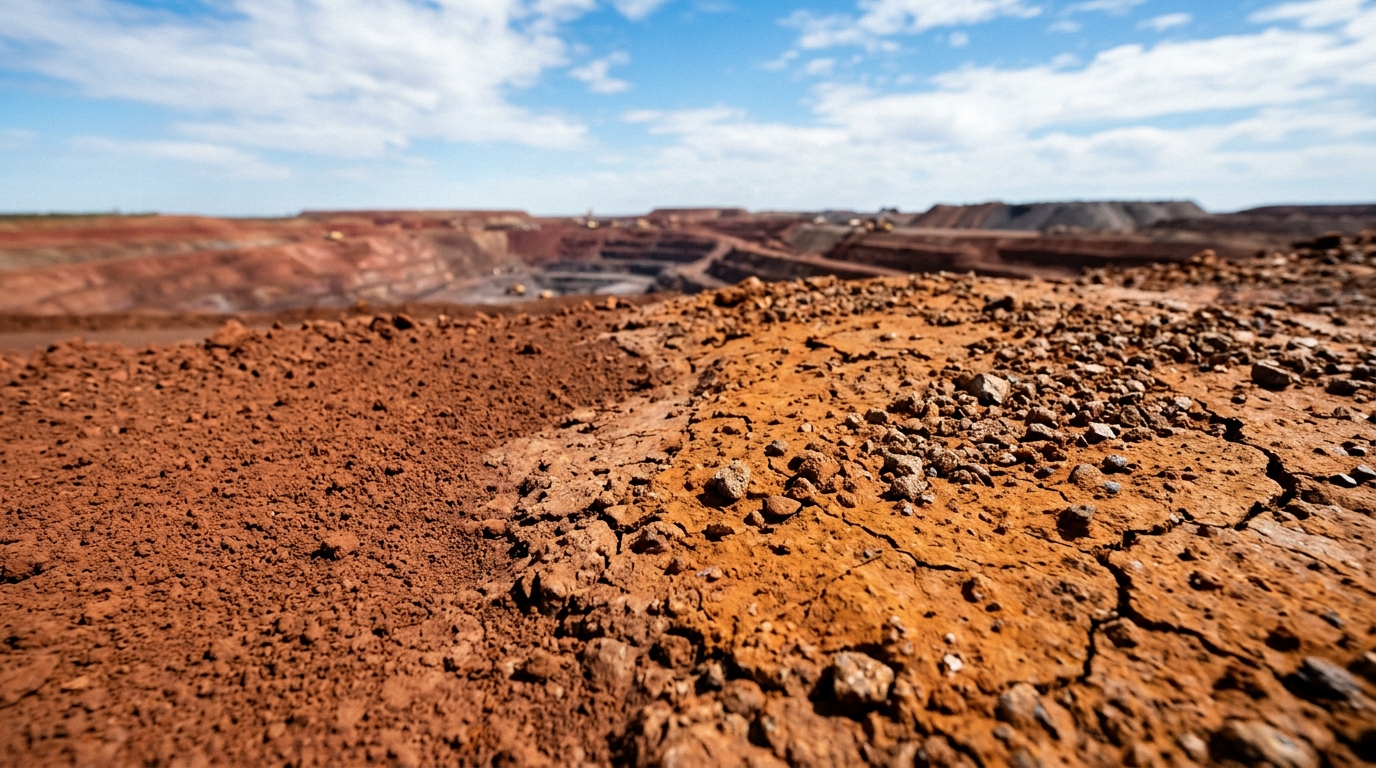
The study, published in Environmental Systems Research, compared the effectiveness of stimulating indigenous bacteria from the waste material against the application of an exogenous bacterial strain. The central finding indicates that bioaugmentation using the exogenous strain Sporosarcina pasteurii is a more favorable and reliable approach for this specific application than biostimulation of the native Bacillus cereus found in the slag.
The research addresses the environmental challenges posed by mining operations, which generate significant greenhouse gas emissions and solid by-products that can be hazardous to soil and water sources. MICP is a civil and geotechnical engineering technique that uses bacteria to precipitate carbonate crystals, thereby strengthening materials and immobilizing contaminants. While the method has been widely studied for soil and cement strengthening, its application to inhospitable mining wastes presents unique challenges, particularly regarding the toxicity of the waste materials to the bacteria required for the process.
The study characterized two iron-rich slag materials, labeled S1 and S2, provided by a smelter in Quebec. Chemical analysis using x-ray fluorescence revealed that both samples were primarily composed of iron oxide, with S1 also containing significant amounts of silicon dioxide and titanium, while S2 contained aluminum oxide. Ecotoxicity tests showed that S2 exhibited high toxicity to both bacteria and plants, with complete inhibition of seed germination and root growth. In contrast, S1 showed bacterial toxicity but no plant toxicity, with some plant species even exhibiting stimulated growth, likely due to a suitable carbon-to-nitrogen ratio and higher phosphorus content.
Bacterial screening of both slag materials revealed a lack of significant DNA concentrations, indicating a low level of native microbial activity. Enrichment experiments were conducted to stimulate the growth of ureolytic bacteria, which are essential for MICP because they produce the enzyme urease. Enrichment was successful only for S1, where the bacterium Bacillus cereus was isolated. S2 remained sterile after one cycle of enrichment, likely due to its high toxic nature. The isolated Bacillus cereus strain was identified through 16S rRNA gene sequencing and deposited in GenBank under accession number PZ013063.1.
The study then compared the characteristics of the isolated Bacillus cereus with the exogenous strain Sporosarcina pasteurii, a species widely used in MICP studies due to its high ureolytic activity. Both bacteria were rod-shaped, but Bacillus cereus exhibited a higher biofilm index, although with greater variability between replicate tests. Biofilm formation is important for MICP as it plays a role in the biological mechanisms that facilitate carbonate precipitation. However, the isolated Bacillus cereus strain was found to be gram-negative, which is atypical for the Bacillus genus, which is usually gram-positive.
Tolerance to environmental conditions was a key factor in the comparison. Both strains showed high tolerance to a wide range of temperatures, pH levels, and salinity. Bacillus cereus tolerated temperatures between 30 and 40 degrees Celsius, pH 5 to 12, and salinity up to 4 percent. Sporosarcina pasteurii showed similar temperature tolerance but a broader pH range of 3 to 12 and salinity up to 5 percent. The higher tolerance of Sporosarcina pasteurii to a wider range of conditions suggests it is better suited for the hazardous environment of slag materials, where pH and salinity can fluctuate.
Enzymatic activity tests revealed significant differences between the two strains. Sporosarcina pasteurii showed higher urease and carbonic anhydrase activity compared to Bacillus cereus. Urease activity is critical for MICP because it hydrolyzes urea, increasing the pH and promoting the precipitation of calcium carbonate. The study found that the urease enzyme assays did not always correlate with actual urea hydrolysis in the broth, but the hydrolysis itself was consistent and reproducible. Sporosarcina pasteurii hydrolyzed significantly more urea than Bacillus cereus, leading to a higher and more stable pH increase, which is essential for effective MICP.
Carbon sequestration and calcium precipitation were also evaluated. Sporosarcina pasteurii demonstrated almost complete removal of calcium from the bacterial suspension and significant reduction of carbon dioxide from the headspace, indicating effective carbon sequestration. In contrast, Bacillus cereus showed variable results, with some tests showing increases in CO2 concentration, likely due to cell respiration, and minimal calcium precipitation. The phenotypic heterogeneity of the urease gene in Bacillus cereus led to variable urease activity, which resulted in inadequate pH rise and poor MICP performance.
The study concludes that bioaugmentation with Sporosarcina pasteurii is the preferred approach for MICP application to iron-rich slag materials. The biostimulation of Bacillus cereus from S1 was unfavorable due to phenotypic heterogeneity, low calcium precipitation, and lower tolerance to environmental conditions. The high ecotoxicity of S2 further limits the feasibility of biostimulation for that material. The findings suggest that site-specific pathways for engineered MICP-based waste stabilization and CO2 sequestration must account for the chemical composition and ecotoxicity of the waste materials.
This research highlights the importance of selecting the right bacterial strain for MICP applications in challenging environments. While indigenous bacteria can be stimulated from some waste materials, their performance may be inconsistent due to genetic and phenotypic variability. Exogenous strains like Sporosarcina pasteurii, with their high ureolytic activity and broad environmental tolerance, offer a more reliable solution for stabilizing metalliferous waste and sequestering carbon dioxide. The study provides a framework for evaluating the suitability of MICP for different types of mining waste, contributing to the development of sustainable techniques for treating the environmental impact of the mining industry.
The study, conducted by Samantha M. Wilcox, Catherine N. Mulligan, and Carmen Mihaela Neculita, was published in Environmental Systems Research in April 2026. The research specifically aimed to link microbial ecology with geochemical reactivity in slag materials to establish a site-specific pathway for engineered MICP-based waste stabilization and CO2 sequestration. By characterizing the chemical composition and ecotoxicity of the two slag materials prior to bacterial screening, the researchers sought to determine whether indigenous bacteria could be effectively stimulated or if exogenous strains were necessary. This approach addresses the challenge that most studies applying MICP to metal and metalloid contaminated waste utilize a biostimulation approach, which is not always feasible based on the toxic nature of the waste. The goal was to evaluate the relative merits of biostimulation versus bioaugmentation for ureolytic MICP in this specific metalliferous context.
Chemical characterization of the slag materials revealed distinct differences in their organic content. Sample S1 had a carbon-to-nitrogen ratio of 9, which is deemed suitable for biological degradation of organic materials, while Sample S2 had a ratio of 3, indicating a lack of organic carbon. This difference in C/N ratio aligns with the observed ecotoxicity and bacterial enrichment results. S1 was potentially suitable for bioremediation techniques, whereas S2 was likely unsuitable due to its low organic carbon content. The higher concentration of phosphorus in S1, measured at 345 mg/kg, may have contributed to the stimulation effect observed in plant toxicity tests. Phosphorus plays an important role in plant development, including seed germination and root growth. These chemical properties influenced the feasibility of bacterial growth and the subsequent MICP process.
The methodology involved a rigorous series of tests to assess the viability of the bacterial strains. Bacterial screening used QIAGEN’s DNeasy PowerSoil Pro Kit to isolate genomic microbial DNA, which was then quantified using a fluorescent dye assay. Enrichment was performed by inoculating 1.0 g of metalliferous waste in 100 mL of nutrient broth supplemented with 20 g/L urea. The flasks were incubated under aerobic batch conditions for 120 hours at 30 degrees Celsius with 130 rpm shaking. Bacteria were isolated using serial dilution and spread plate methods on urea agar base. Identification was achieved through PCR amplification of the 16S rRNA gene using specific primers, followed by sequencing with Oxford Nanopore Technologies. Phylogenetic analysis was completed using MEGA software, incorporating a maximum likelihood statistical method with 1000 bootstrap replications.
Ecotoxicity assessments included both plant and bacterial toxicity tests. Plant toxicity was measured using the germination of Sorghum saccharatum, Lepidium sativum, and Sinapis alba. The tests involved drying and sieving the samples, determining water holding capacity, and incubating seeds at 25 degrees Celsius for up to 7 days. Root growth and seed germination were analyzed using ImageJ software. Bacterial toxicity was performed on Escherichia coli using the Sedi-Tox quantitative analysis test kit. The samples were mixed with a diluent, homogenized, and subjected to 2-fold dilutions. Lyophilized bacteria were rehydrated and incubated at 37 degrees Celsius for 2 hours. The absorbance was measured at 405 nm to determine normalized cell viability. These tests provided a comprehensive understanding of the hazardous nature of the slag materials to both plant and microbial life.
The enzymatic activity of urease and carbonic anhydrase was determined using urea and CO2 as substrates, respectively. The bacteria were characterized in nutrient broth supplemented with calcium chloride. CO2 was injected into the headspace at 10% v/v, and independent tests were run over 24 to 168 hours. The amount of substrate removed by bacterial enzymatic catalysis was analyzed using ion chromatography and gas chromatography. Carbonic anhydrase activity was measured using p-nitrophenyl acetate hydrolysis, while urease activity was analyzed using the electrical conductivity method. These enzymatic assays provided insights into the metabolic capabilities of the bacteria and their potential for MICP. The results highlighted the importance of urease in driving the pH increase necessary for carbonate precipitation.
Statistical analysis was performed using two-way ANOVA with Tukey’s multiple comparisons in GraphPad Prism 10.4.1. This statistical approach allowed the researchers to determine the significance of differences in cell viability, pH changes, and other measured parameters across different concentrations and time points. The analysis confirmed that the mean cell viability was statistically different across increasing concentrations of S1 and S2. The pH increase in S1 after bacterial enrichment was attributed to ureolytic bacterial growth. These statistical validations strengthen the reliability of the findings and support the conclusion that bioaugmentation with Sporosarcina pasteurii is the more favorable approach for MICP application to iron-rich slag materials.
Subject of Research: Comparison of biostimulation and bioaugmentation strategies for microbial induced carbonate precipitation in iron-rich slag materials
Article Title: Ureolytic bacteria for MICP application to iron-rich slag materials for waste stabilization and carbon sequestration
Article References: Wilcox, S. M., Mulligan, C. N., & Neculita, C. M. (2026). Ureolytic bacteria for MICP application to iron-rich slag materials for waste stabilization and carbon sequestration. Environmental Systems Research, 15(1), Article 32. https://doi.org/10.1186/s40068-026-00472-4
Image Credits: AI Generated
DOI: 10.1186/s40068-026-00472-4
Keywords: MICP, iron-rich slag, waste stabilization, carbon sequestration, ureolytic bacteria, Sporosarcina pasteurii, Bacillus cereus, bioaugmentation, biostimulation, mining waste, ecotoxicity, carbonate precipitation
Cite Scienmag News
Violet Maxwell. (November 7, 2026). Bacteria Strains Compared for Stabilizing Iron-Rich Mining Waste. Scienmag. https://scienmag.com/bacteria-strains-compared-for-stabilizing-iron-rich-mining-waste/
Violet Maxwell. "Bacteria Strains Compared for Stabilizing Iron-Rich Mining Waste." Scienmag, 7 November 2026, https://scienmag.com/bacteria-strains-compared-for-stabilizing-iron-rich-mining-waste/. Accessed 17 November 2026.
Violet Maxwell. "Bacteria Strains Compared for Stabilizing Iron-Rich Mining Waste." Scienmag. November 7, 2026. https://scienmag.com/bacteria-strains-compared-for-stabilizing-iron-rich-mining-waste/




