

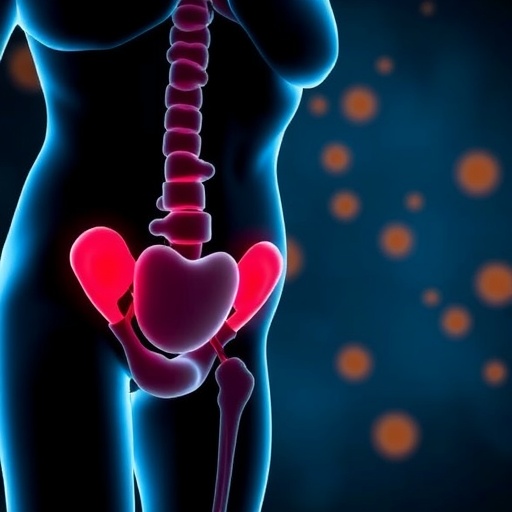
In a groundbreaking study published recently in BMC Geriatrics, researchers have shed new light on urinary tract infections (UTIs) in the elderly population, revealing significant findings with potential implications for clinical practice. The study, conducted by a team led by Ming et al., explores the low-inflammatory response phenotypes associated with UTIs, highlighting critical pathways related to pathogen types, antimicrobial resistance, and the influence of comorbidities in older adults. These insights not only advance our understanding of how UTIs manifest in aging individuals but also pave the way for improved diagnostics and targeted therapies.
UTIs are notorious for being one of the most common infections among the elderly, prompting myriad clinical challenges. In older adults, typical symptoms may often present differently due to various physiological changes, making diagnosis and treatment less straightforward. The study’s authors emphasize that many elderly individuals exhibit a low-inflammatory response, which can mislead clinicians regarding the severity of the infection. By elucidating this phenomenon, the authors aim to enhance diagnostic accuracy and treatment efficacy, ultimately improving patient outcomes.
A significant aspect of this research involves the types of pathogens responsible for these infections. Traditional understandings often centered around Escherichia coli; however, the study highlights a broader spectrum of microorganisms that can contribute to urinary tract infections in the elderly. Among these pathogens are increased incidences of multidrug-resistant organisms, which complicate treatment options and underscoring the need for tailored antimicrobial strategies. Understanding the pathogen landscape is crucial for developing effective therapeutic guidelines and managing antibiotic stewardship.
Antimicrobial resistance remains a pressing concern in modern medicine, particularly within vulnerable populations such as the elderly. The data presented in this study indicates a concerning increase in resistance rates among certain pathogens. This finding is not merely a statistical anomaly; it reflects a growing public health crisis that necessitates urgent attention. The interaction between patient age, comorbidity, and microbial resistance underscores the complexity of treating UTIs in older populations, necessitating a thoughtful approach to therapy that accounts for these variables.
The study further discusses comorbidities, which are prevalent in elderly patients and significantly influence the risk profiles for urinary tract infections. Chronic conditions like diabetes, cardiovascular diseases, and cognitive impairments can exacerbate the severity and frequency of UTIs. By analyzing patient comorbidities alongside UTI occurrences, the researchers provide a granular understanding of how these health factors interrelate, forming a comprehensive risk assessment framework for clinicians.
Importantly, the authors call for enhanced awareness among healthcare providers regarding the atypical presentations of UTIs in the elderly. It is critical for clinicians to be cognizant of the fact that older patients may not display the classic symptoms of infection, such as fever or dysuria. This understanding can prevent misdiagnosis and lead to timely interventions that are crucial for patient recovery. The researchers stress the importance of considering these low-inflammatory response phenotypes to guide clinical evaluations and decisions.
Moreover, the implications of this research extend to the field of geriatric pharmacotherapy. As the study notes, inappropriate antibiotic prescriptions often stem from a lack of understanding of the particularities associated with UTIs in elderly patients. The findings advocate for a re-examination of current prescribing practices as well as the establishment of evidence-based guidelines that specifically address the nuances presented by this demographic. This shift could help mitigate unnecessary antibiotic use and combat the growing threat of resistance.
In terms of preventative measures, the research suggests that proactive monitoring and management of comorbidities can play a vital role in reducing the incidence of UTIs in elderly patients. Educational programs aimed at both patients and care providers that focus on hydration, urinary health, and infection symptoms may further empower this population to manage their health more effectively. Such initiatives could potentially decrease the burden of this common yet often overlooked condition.
The findings from this study are not only relevant to practitioners but also hold significant relevance for policymakers. As the global population ages, the healthcare system will face mounting challenges associated with managing elderly patients. Understanding the epidemiology of UTIs in this population can inform healthcare strategies and resource allocation, ensuring that adequate support and interventions are in place.
As further research builds upon these findings, it is imperative for the healthcare community to remain agile and adapt to the evolving landscape of infections in older adults. Incorporating these insights into clinical practice demands a commitment to continual education, interdisciplinary collaboration, and patient-centered care. Only through a concerted effort will the challenges posed by urinary tract infections in the elderly be adequately addressed.
In conclusion, the research led by Ming and colleagues underscores the importance of recognizing low-inflammatory response phenotypes among elderly patients with urinary tract infections. By framing UTIs as a complex interplay of pathogens, resistance profiles, and comorbidities, the authors provide a vital foundation for further exploration and enhanced clinical practices. As healthcare professionals strive to meet the demands of an aging population, insights from this study could spark meaningful change in the management of urinary tract infections, improving quality of life for countless elderly patients.
Subject of Research: Low-inflammatory response phenotypes in elderly urinary tract infections and their clinical implications.
Article Title: Low-inflammatory response phenotypes in elderly urinary tract infections: pathogen type, antimicrobial resistance, and comorbidity-associated risk profiles.
Article References:
Ming, H., Na, W., Tingting, H. et al. Low-inflammatory response phenotypes in elderly urinary tract infections: pathogen type, antimicrobial resistance, and comorbidity-associated risk profiles.BMC Geriatr (2026). https://doi.org/10.1186/s12877-025-06901-w
Image Credits: AI Generated
DOI:
Keywords: Elderly, urinary tract infections, low-inflammatory response, antimicrobial resistance, comorbidity, healthcare.


