


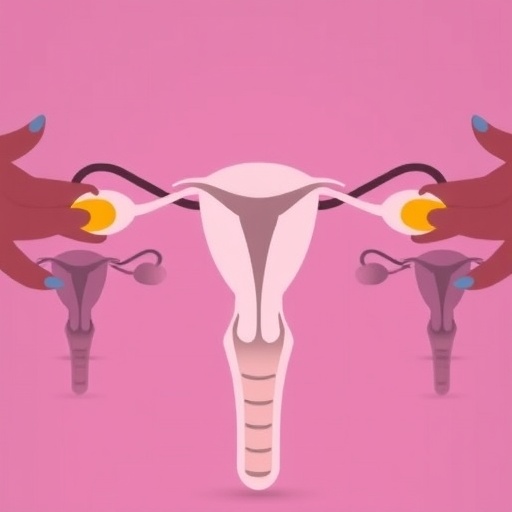
In recent years, the scientific community has made profound advancements in understanding the complex interactions between long non-coding RNAs (LncRNAs) and various biological processes. One of the significant areas of focus has been the role of LncRNAs in reproductive health, particularly concerning premature ovarian insufficiency (POI). This condition affects a considerable number of women and poses challenges for both fertility and overall health. Researchers are now delving deeper into how LncRNAs might influence the mechanism underlying POI. Their findings suggest a crucial link that may offer new insights into treatment strategies and even preventive measures.
Long non-coding RNAs have emerged as pivotal regulators in many cellular processes, affecting gene expression at multiple levels. Unlike traditional coding RNAs, their lack of coding potential does not diminish their importance; instead, they can modulate gene activity in intricate networks. Studies have shown that LncRNAs can act as scaffolds, sponges for microRNAs, and mediators of chromatin remodeling. This versatility indicates that they could play vital roles in the pathways leading to various diseases, including those affecting reproductive function.
The phenomenon of premature ovarian insufficiency can stem from a variety of factors, including genetic predispositions, autoimmune disorders, and environmental influences. For many women, POI leads to insufficient estrogen production and the cessation of menstrual cycles before the age of 40. This situation not only affects fertility but also has profound implications for bone density, cardiovascular health, and overall well-being. Understanding the molecular mechanisms behind POI is, therefore, crucial for developing targeted therapies that can mitigate these effects.
Recent studies have indicated that specific LncRNAs are differentially expressed in ovarian tissues from women suffering from POI compared to those with normal functioning ovaries. These findings point toward a potentially essential role for these molecules in regulating the ovarian reserve and hormonal balances necessary for female reproductive health. Consequently, identifying the specific LncRNAs involved in POI could pave the way for innovative diagnostic markers and therapeutic targets.
Research led by Zhao et al. highlights the implications of these findings and explores the interplay between various LncRNAs and the biological pathways associated with ovarian function. Their work uses advanced genomic techniques to profile LncRNA expression patterns in ovarian tissue, providing a comprehensive view of how these RNA species could interact with key regulatory proteins and signaling pathways. Through their meticulous approach, they identified several candidate LncRNAs that show promise as biomarkers for early diagnosis of POI.
One of the essential concepts addressed in this emerging field is the potential for LncRNAs to serve as targets for therapeutic intervention. The modulation of LncRNA activity could theoretically restore normal ovarian function in affected women or improve their reproductive health in significant ways. By developing methods to enhance or suppress the activity of certain LncRNAs, researchers may be able to devise new treatment strategies that offer tangible benefits to patients grappling with the challenges of POI.
In addition to treatment, understanding LncRNAs could lead to preventive measures for those at risk of developing POI. Genetic screening for LncRNA expression patterns might one day inform women of their susceptibility to ovarian insufficiency, enabling proactive health management strategies. Such advancements could revolutionize how we approach female reproductive health and empower women with knowledge about their bodies and potential health outcomes.
Furthermore, the implications of this research extend beyond fertility alone. They touch on broader aspects of women’s health, emphasizing the interconnectedness of various systems within the body, including endocrine, cardiovascular, and skeletal health. Estrogen, primarily produced in the ovaries, plays critical roles in many of these systems, illustrating how the functioning of one organ can significantly impact overall health.
As these studies continue to evolve, the potential for interdisciplinary collaboration grows immensely. Geneticists, endocrinologists, reproductive health specialists, and molecular biologists can work together, translating basic research into clinical applications. These combined efforts may cultivate an environment where rapid advancements in the understanding of LncRNAs can lead to significant improvements in women’s health.
In conclusion, the research surrounding LncRNAs and premature ovarian insufficiency is unveiling exciting possibilities for both prevention and treatment. The findings from Zhao et al. exemplify a growing field that holds the potential to change the landscape of reproductive health. As we gather more data and refine our methodologies, the roadmap to understanding and combating POI will become clearer, ultimately benefiting countless women across the globe.
The implications of these discoveries could very well echo in future generations, shaping how we view women’s health and reproductive functionality. With continued focus and investment in research pertaining to LncRNAs, we are paving the way for a future where ovarian health is better understood and better managed, offering hope to those affected by premature ovarian insufficiency and creating a blueprint for success in reproductive medicine.
Innovation in this field is key, and as science marches forward, collaboration and knowledge-sharing will be vital. Engaging in large-scale studies and entering into partnerships with healthcare institutions could expedite the translation of these findings into clinical practice. By seeking the involvement of patients in research initiatives and fostering a community of advocates and educators, we can ensure that these critical insights reach those who need them most.
In the ever-evolving landscape of reproductive medicine, LncRNAs have emerged as a beacon of hope. The acknowledgment of their role in conditions like premature ovarian insufficiency is a testament to how far we have come in understanding the complexities of human genetics and biology. With every study, we inch closer to a world where reproductive challenges are met with informed, effective solutions that honor the intricacies of women’s health.
Zhao, Q., Li, Xl., Lin, Gy. et al. The implications of LncRNAs and premature ovarian insufficiency.
J Ovarian Res 18, 282 (2025). https://doi.org/10.1186/s13048-025-01878-x
Cite Scienmag News
Juliet Wilcox. (November 24, 2025). LncRNAs: Key Players in Premature Ovarian Insufficiency. Scienmag. https://scienmag.com/lncrnas-key-players-in-premature-ovarian-insufficiency/
Juliet Wilcox. "LncRNAs: Key Players in Premature Ovarian Insufficiency." Scienmag, 24 November 2025, https://scienmag.com/lncrnas-key-players-in-premature-ovarian-insufficiency/. Accessed 5 September 2026.
Juliet Wilcox. "LncRNAs: Key Players in Premature Ovarian Insufficiency." Scienmag. November 24, 2025. https://scienmag.com/lncrnas-key-players-in-premature-ovarian-insufficiency/


