


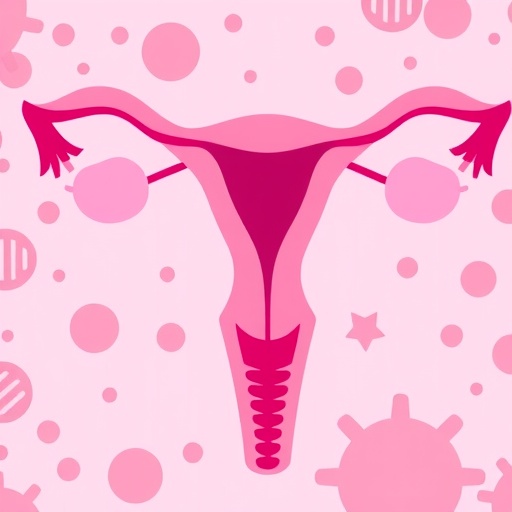
In a groundbreaking study published in BMC Endocrine Disorders, researchers have delved into the genotype-phenotype correlations of FSHR (Follicle Stimulating Hormone Receptor) polymorphisms in patients diagnosed with Polycystic Ovary Syndrome (PCOS). This significant research led by Kaur, Singh, and Beri sheds light on the intricate mechanisms that may underlie this complex disorder, which affects countless individuals worldwide. Understanding the genetic variations in FSHR is crucial, as it plays a pivotal role in ovarian function and overall reproductive health.
Polycystic Ovary Syndrome is characterized by a combination of symptoms including irregular menstrual cycles, excess androgen levels, and polycystic ovaries. The condition is highly heterogenous and manifests differently among individuals. While the exact cause remains elusive, genetic factors are believed to significantly contribute to its pathology. The current research highlights the potential association between specific polymorphisms in the FSHR gene and the clinical presentation of PCOS, paving the way for more personalized treatment approaches.
Understanding the FSHR gene’s role in PCOS is essential for multiple reasons. First, FSHR serves as a critical component in the hormonal signaling pathways that regulate ovarian follicle development and function. Variations in this gene may lead to altered expression of the receptor or a change in its functional capacity, potentially influencing ovarian response to FSH. These discrepancies can have significant repercussions on the hormone levels and ovarian morphology observed in PCOS patients, potentially exacerbating symptoms and complications associated with the syndrome.
In their research, Kaur and colleagues employed a comprehensive genomic analysis to identify various single nucleotide polymorphisms (SNPs) within the FSHR gene. By examining a diverse cohort of individuals with PCOS, they were able to correlate specific SNPs with clinical features of the syndrome. Their findings suggest that certain genetic variants may predispose individuals to more severe manifestations of PCOS, including increased insulin resistance and higher levels of circulating androgenic hormones.
Moreover, this study emphasizes the role of environmental factors in the expression of genetic predispositions. While genetic makeup is undeniably influential, external factors such as lifestyle, diet, and exposure to endocrine-disrupting chemicals can significantly modulate the phenotypic outcome of genetic traits. This intricate interplay between genetics and environment underlines the complexity of PCOS and its management.
The findings from this research have far-reaching implications for clinical practice. If certain FSHR polymorphisms are indeed linked to more severe forms of PCOS, genetic screening could be integrated into routine clinical assessments. Identifying at-risk individuals through genetic testing may allow for earlier interventions and preventative strategies tailored to the individual’s genetic background, potentially reducing the long-term health risks associated with PCOS, such as type 2 diabetes and cardiovascular disease.
Moreover, understanding these genotype-phenotype correlations can aid in the development of more targeted therapies. Traditional treatments for PCOS often focus on managing symptoms rather than addressing the underlying hormonal imbalances. However, a genetic perspective may unveil new therapeutic targets and strategies, customizing treatment plans to the unique genetic profile of each patient.
As the field of genomics continues to evolve, the integration of genetic insights into the understanding of PCOS will likely advance our comprehension of the condition. Future studies are warranted to investigate the functional impact of these FSHR polymorphisms on ovarian physiology and their potential role in the pathogenesis of PCOS. Additionally, exploring the interaction between FSHR variations and other genetic factors may unravel the complexities of this multifaceted disorder.
Kaur and her team’s groundbreaking work not only contributes to existing knowledge but also emphasizes the necessity of collaborative research efforts. The complexity of PCOS demands a multidisciplinary approach, combining expertise from genetics, endocrinology, and reproductive medicine. As researchers build on these findings, it is essential that attention is given to the social and psychological dimensions of living with PCOS, ensuring that all facets of patient well-being are considered.
In conclusion, the exploration of FSHR polymorphisms presents a promising avenue for advancing our understanding of Polycystic Ovary Syndrome. The intricate relationship between genetics and hormonal regulation may offer new insights into the pathophysiology of PCOS, ultimately guiding enhanced diagnostic and therapeutic strategies. As research in this field continues to unfold, it holds the potential to transform the landscape of PCOS management, improving outcomes for patients navigating this challenging condition.
The implications of this research extend beyond just genetics. It calls for greater awareness about the diverse manifestations of PCOS and the need for individualized patient care. With advancements in our understanding of genetic contributions, healthcare providers can adopt a more nuanced approach to treatment, focusing on the unique needs of each patient. As we look toward the future, it is imperative that efforts are directed not only at understanding the genetic basis of PCOS but also at fostering supportive communities for those affected.
Ultimately, the goal of this research is to empower individuals with PCOS through knowledge. By shedding light on the genetic underpinnings of their condition, researchers like Kaur, Singh, and Beri aim to inspire hope and promote proactive health management. As we await further developments in this rapidly evolving field, it is clear that the intersection of genetics and reproductive health holds invaluable potential for transforming lives.
Cite Scienmag News
Juliet Wilcox. (December 12, 2025). Linking FSHR Polymorphisms to Polycystic Ovary Syndrome. Scienmag. https://scienmag.com/linking-fshr-polymorphisms-to-polycystic-ovary-syndrome/
Juliet Wilcox. "Linking FSHR Polymorphisms to Polycystic Ovary Syndrome." Scienmag, 12 December 2025, https://scienmag.com/linking-fshr-polymorphisms-to-polycystic-ovary-syndrome/. Accessed 5 September 2026.
Juliet Wilcox. "Linking FSHR Polymorphisms to Polycystic Ovary Syndrome." Scienmag. December 12, 2025. https://scienmag.com/linking-fshr-polymorphisms-to-polycystic-ovary-syndrome/


