

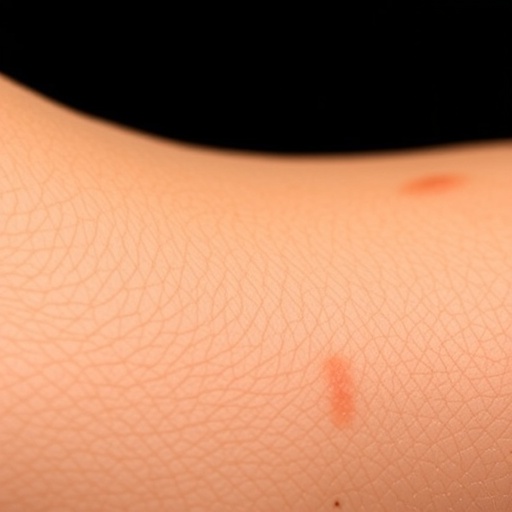
A recent narrative review by renowned dermatologists Yosipovitch, Kim, and Ständer has drawn significant attention within the medical community for its comprehensive evaluation of Lebrikizumab, a monoclonal antibody, and its efficacy against pruritus. Pruritus, or severe itching, is a perplexing symptom often associated with various dermatological conditions, including eczema, psoriasis, and other inflammatory disorders. This review meticulously examines how Lebrikizumab can serve as a breakthrough in offering relief to patients burdened with this distressing symptom.
Lebrikizumab is a humanized IgG4 monoclonal antibody that selectively inhibits interleukin-13 (IL-13), a key cytokine implicated in many inflammatory processes. By targeting IL-13, Lebrikizumab aims to modulate the immune response and subsequently alleviate the symptoms associated with dermal inflammation and itching. The review highlights the mechanism of action for this novel therapeutics, underscoring its role not merely as a symptomatic relief agent but as a potential transformative therapy capable of altering the inflammatory pathways that underpin various skin conditions.
The authors delve into various clinical trials which have employed rigorous methodologies to assess the therapeutic effects of Lebrikizumab on patients suffering from chronic pruritus. In these controlled studies, participants demonstrated significant reductions in itching intensity as measured by standardized scales. Interestingly, many patients reported improvements in their quality of life, which emphasizes the holistic benefits of addressing underlying itchiness rather than simply treating visible skin lesions. This narrative adds profound significance, as pruritus often leads to sleep disturbances and compromised mental health, further complicating patient well-being.
In discussing the comparative efficacy of Lebrikizumab in relation to existing treatments, the authors elucidate its advantages over traditional therapies. Steroidal creams and antihistamines, while helpful, often fail to address the symptomatic complexity of chronic pruritus. The review points out that Lebrikizumab not only facilitates a more targeted approach to treatment but also promises fewer systemic side effects when compared to systemic immunosuppressants. This strategic focus on IL-13 marks a pivotal shift in therapeutic paradigms, steering away from broader immunosuppression.
Furthermore, the review sheds light on the safety profile of Lebrikizumab, which is crucial for both clinician and patient confidence. Adverse effects reported in clinical trials were largely manageable and not markedly different from those seen with other biologic agents. This insight into the tolerability of Lebrikizumab strengthens its position as a preferred option for managing pruritus, especially considering that patients with chronic conditions often endure long-term treatment regimens.
Yosipovitch et al. have also addressed the potential for personalized medicine in the context of Lebrikizumab administration. The review discusses biomarkers and genetic factors that could inform patient selection for optimal therapeutic outcomes. Tailoring treatment to specific patient characteristics could enhance the efficacy of Lebrikizumab and diminish the likelihood of adverse events, marking an essential evolution in clinical dermatology.
The narrative revisits the historical context of pruritus management, mapping out advancements over the years. It reflects on the ongoing need for innovative therapies as growing patient populations with chronic skin disorders challenge existing healthcare frameworks. As demographics shift and the incidence of conditions like atopic dermatitis rises, the demand for targeted, effective treatments escalates, reinforcing the relevance of developments like Lebrikizumab.
The implications of this review extend beyond the immediate therapeutic landscape. As pruritus continues to emerge as a significant global health issue, understanding how Lebrikizumab fits into treatment algorithms will be pivotal for healthcare practitioners. The review advocates for continuing research not only on the drug itself but also on the pathophysiological mechanisms of itching, calling for a multifaceted approach that spans basic research to clinical applications.
The call for larger, long-term studies is echoed throughout the narrative, emphasizing that while the preliminary data is promising, further investigation will solidify Lebrikizumab’s standing in dermatological treatment. Such studies should ideally include diverse populations, taking into account variations in demographics, comorbidities, and genetic backgrounds that could impact efficacy and safety.
In summary, the review by Yosipovitch and colleagues paves the way toward an enriched understanding of pruritus and its treatment landscape. The efficacy of Lebrikizumab represents a vital advancement in the world of dermatology, offering hope for those who endure the relentless discomfort of itching. As the medical community eagerly anticipates subsequent findings that might further illuminate the beneficial impact of this therapy, it remains imperative to maintain a patient-centered focus in exploring innovative solutions for chronic skin conditions.
The comprehensive analysis contained within this narrative review not only adds depth to the existing literature but also drives conversations among dermatologists, researchers, and patients about the future of pruritus management and skin health. Through ongoing discourse and research, the medical community can aspire toward more effective methods for alleviating the burden of pruritus and enhancing the quality of life for millions.
Subject of Research: Efficacy of Lebrikizumab on Pruritus
Article Title: Efficacy of Lebrikizumab on Pruritus: A Narrative Review
Article References:
Yosipovitch, G., Kim, B.S., Ständer, S. et al. Efficacy of Lebrikizumab on Pruritus: A Narrative Review.
Adv Ther (2025). https://doi.org/10.1007/s12325-025-03440-z
Image Credits: AI Generated
DOI: https://doi.org/10.1007/s12325-025-03440-z
Keywords: Lebrikizumab, Pruritus, Monoclonal Antibody, IL-13, Dermatology, Quality of Life, Chronic Itching, Innovative Therapies, Safety Profile, Personalized Medicine.


