


In an intriguing study published in the Pediatric Radiology journal, researchers A. Espinoza, Y. Sameshima, and F. Vivanco have shed new light on a rare yet critical condition known as perinatal testicular torsion. This condition occurs when a testicle twists, restricting its blood supply and potentially leading to severe complications if not treated promptly. The research introduces the concept of the “kiwi fruit sign,” a novel radiographic feature that could serve as a vital diagnostic tool for clinicians working in neonatal and pediatric care.
The significance of exploring perinatal testicular torsion cannot be overstated. Testicular torsion in neonates is a surgical emergency, and timely intervention is essential to preserve the affected testicle. Traditionally, ultrasound imaging plays a key role in diagnosis; however, the identification of atypical signs can present challenges to healthcare providers. The “kiwi fruit sign” is posited as a distinctive indicator visible during ultrasound examinations, providing a more accurate diagnosis when the typical signs may not be apparent. This could potentially change the landscape of how this condition is approached in clinical settings.
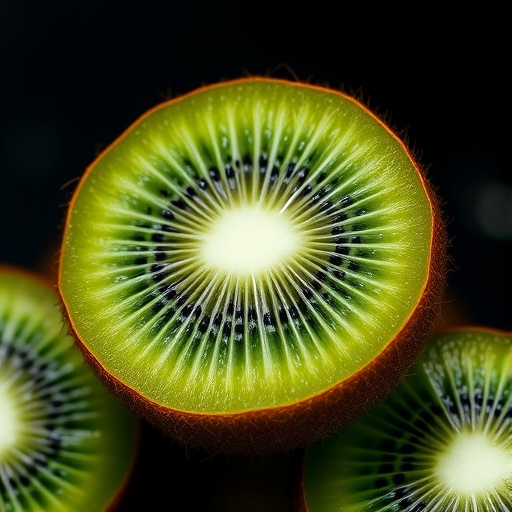
With the introduction of the “kiwi fruit sign,” the researchers elaborate on the correlational anatomy presented during ultrasound examinations. The term draws an analogy to the cross-sectional appearance of a kiwi fruit, where the twisted testicle takes on a characteristic appearance suggestive of compromised blood supply. This new descriptive category on imaging allows for quicker recognition of testicular torsion, improving the chances of preserving testicular function. By focusing on a relatable and visually descriptive marker, the researchers aim to bridge the gap between medical imaging and clinical application.
During their study, the authors reviewed a series of neonatal cases with suspected testicular torsion. They undertook extensive imaging assessments, utilizing advanced ultrasound techniques to elucidate the presence of the kiwi fruit sign. By outlining the imaging characteristics, the researchers empower clinicians to confidently diagnose testicular torsion in neonates. Their findings demonstrate that identifying this sign significantly enhances the clinician’s ability to recognize the condition effectively, leading to expedited operative intervention when necessary.
Moreover, the research underscores the importance of education and awareness in diagnosing perinatal testicular torsion. Given the subtlety of symptoms and the necessity for prompt surgical correction, the establishment of a recognizable sign such as the kiwi fruit appearance could vastly improve clinical outcomes. The authors advocate for incorporating this knowledge into medical training programs to equip future healthcare providers with the tools to address this emergency effectively.
In addition to improving diagnosis, the study lays the groundwork for additional research into the management of testicular torsion cases. As clinicians grow more adept at identifying the kiwi fruit sign, further investigations could refine treatment protocols, augment understanding of different torsion presentations, and align surgical approaches with the latest imaging findings. This could foster a more cohesive dialogue among healthcare professionals regarding best practices in handling this condition.
Interestingly, the kiwi fruit sign could also extend its utility beyond just diagnostic imaging. Its descriptiveness could facilitate caregiver education, providing a relatable way to understand testicular torsion. When caregivers grasp the nature of this condition, they may be more vigilant in recognizing symptoms and seeking immediate care for affected infants. This shift in awareness could play a pivotal role in improving health outcomes for neonatal testicular torsion.
The research team’s work contributes significantly to the realm of pediatric medicine. With the kiwi fruit sign as a diagnostic revolution, the study poses questions about possible adaptations across various facets of pediatric health care. Could this imaging descriptor inspire similar classifications for other conditions? The inventive approach demonstrated herein may well be a springboard for further breakthroughs in pediatric diagnostics.
As healthcare continuously evolves, innovative studies like that of Espinoza and colleagues showcase the dynamic relationship between technology and clinical practice. The integration of novel imaging techniques and comprehensive research is paramount to advancing pediatric care. Clinicians must be equipped with the most insightful and effective diagnostic tools, ensuring they can navigate challenging cases with confidence.
In conclusion, the research into the kiwi fruit sign in relation to perinatal testicular torsion opens an exciting chapter in pediatric radiology. The authors present compelling evidence supporting the efficacy of this sign as a critical diagnostic landmark. Their findings underscore the need for a collaborative approach in medicine, encouraging open dialogue and shared knowledge among healthcare professionals. Dialogue fosters the exchange of ideas that could lead to refined practices and ultimately benefit patient care.
Through ongoing research and education, conditions like perinatal testicular torsion can become less of a challenge for clinicians. As awareness of the kiwi fruit sign grows, it stands to transform how testicular torsion is diagnosed and managed in neonates. This research not only highlights the importance of adaptive learning in medicine but also emphasizes the significant impact that comprehensive studies can yield in improving health outcomes for vulnerable populations.
Cite Scienmag News
Ophelia Keating. (November 29, 2025). Kiwi Fruit Signals Perinatal Testicular Torsion Risk. Scienmag. https://scienmag.com/kiwi-fruit-signals-perinatal-testicular-torsion-risk/
Ophelia Keating. "Kiwi Fruit Signals Perinatal Testicular Torsion Risk." Scienmag, 29 November 2025, https://scienmag.com/kiwi-fruit-signals-perinatal-testicular-torsion-risk/. Accessed 7 September 2026.
Ophelia Keating. "Kiwi Fruit Signals Perinatal Testicular Torsion Risk." Scienmag. November 29, 2025. https://scienmag.com/kiwi-fruit-signals-perinatal-testicular-torsion-risk/


