


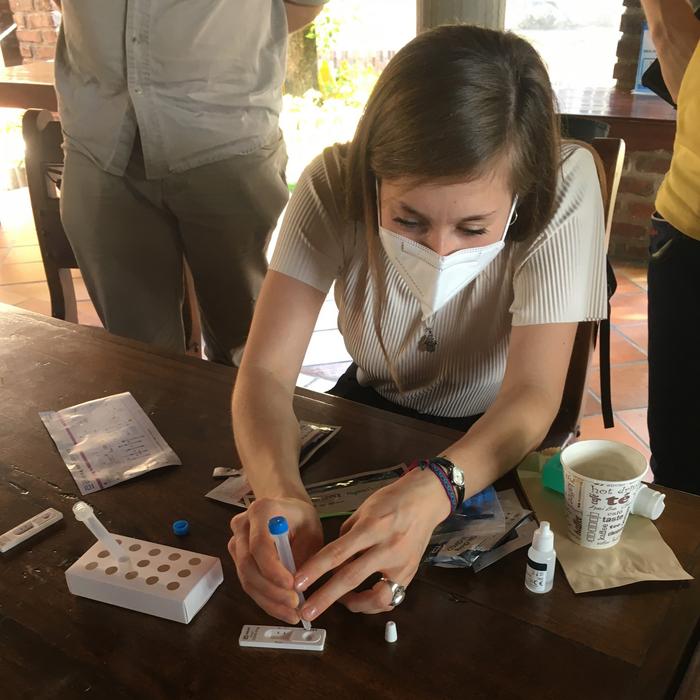
The COVID-19 pandemic has undeniably revealed alarming shortcomings within the global health system, especially highlighting areas needing urgent reform for future pandemic preparedness. One region that has exemplified these vulnerabilities is Latin America, where the convergence of economic constraints, infrastructural deficiencies, and healthcare inequities has severely obstructed access to essential testing. Recent studies accentuate these issues, demonstrating a pressing need for collaborative, equitable health strategies that bridge disparities across nations.
At the heart of this discourse is a comprehensive socioeconomic study published in the esteemed journal BMJ Open. Conducted by a team of researchers between 2020 and 2021, it meticulously analyzed the testing capabilities associated with the SARS-CoV-2 virus across 109 countries. The authors linked variations in testing capacity to key determinants like wealth, governance structure, and social inequality. The results starkly outline how affluent nations fared better in testing capacity, while those burdened by socioeconomic inequality lagged significantly behind.
Prof. Felix Drexler from Charité – Universitätsmedizin Berlin, who led the research, stated that the findings reveal not just statistical disparities but also the palpable societal impact of these inequalities. The data suggest that gender disparities further exacerbate access to testing, amplifying the need to address healthcare provision holistically. As countries navigate their paths toward equitable health care, the study calls for heightened diagnostic capabilities to prevent the proliferation of pathogens and enhance readiness for similar health crises.
Complementing the findings of the aforementioned socio-economic study, a joint report by DZIF researchers and the German Institute for Global and Area Studies (GIGA) published in November 2024 paints a grim picture of systemic vulnerabilities unveiled by the COVID-19 crisis. The report advocates for a comprehensive reevaluation of regional drug and vaccine production capacities while pushing for a reformed intellectual property framework. Such adaptations are crucial in fostering innovation and ensuring that low- and middle-income countries are not left behind in pharmaceutical advancements.
A third significant study published in March 2025 in Health Policy delves into the challenges facing diagnostic services in low-resource environments. This study is particularly critical as it highlights the experiences of 20 countries where DZIF scientists introduced new testing protocols and trained laboratory personnel. Despite their efforts, the researchers identified that high costs and a scarcity of essential reagents severely hampered effective pandemic responses. The analysis stresses that enhanced funding streams, solid mandates from authorities, and systemic integration of diagnostics are fundamental for future preparedness.
The convergence of these findings paints a clear picture of the need for a global healthcare landscape that prioritizes equity. There is an urgent call for nations to unite in their health strategies, ensuring the distribution of resources is fair and sustainable. Prof. Drexler emphasizes that fostering international cooperation and resilience within health systems worldwide is imperative for combating not only COVID-19 but also future pandemics that may threaten humanity.
In recognizing the extensive implications of this research, it becomes evident that without immediate systemic changes, we risk repeating the mistakes of the past. Countries must invest in public health structures that are robust, flexible, and designed to adapt to immediate crises while taking the socio-economic realities into account. Addressing healthcare access disparities will be pivotal in not just responding to infectious diseases but in improving overall health outcomes across diverse populations.
Moreover, the COVID-19 pandemic illustrates a broader context where health crises can expose pre-existing vulnerabilities within societies. As seen in Latin America, the fallout from inadequate health resources can lead to cascading socio-economic consequences. Therefore, any future framework must prioritize not only immediate healthcare needs but also long-term societal resilience, ensuring that health systems can withstand external shocks and respond effectively during emergencies.
As researchers and practitioners continue to analyze the implications of COVID-19, it is imperative to consider the lessons learned from these three pivotal studies. They serve as a reminder of the interconnectedness of health and socio-economic stability, urging governments to take actionable steps toward building not just responsive healthcare systems but also resilient communities equipped to face future challenges head-on.
The outcome of this pandemic necessitates a rigorous commitment to equity and access, requiring all stakeholders in health systems to reassess their methodologies and objectives. The unifying theme across these studies is the urgent need for change, calling on an engaged global community to invest in collaborative health initiatives that narrow the existing gaps.
By integrating these lessons into policy frameworks, we can pave the way for a more promising future where global health equity is not merely an academic discussion but a lived reality for everyone. With enhanced cooperation, innovation, and resources, we have the opportunity to build a future resilient to the inevitable challenges posed by infectious diseases.
As we look forward to a post-pandemic world, the stakes could not be higher. The actions we take now to address these critical disparities will define the health landscape for generations to come.
Cite Scienmag News
Kristina Jarvis. (April 7, 2025). Key Takeaways from the COVID-19 Pandemic: Insights for Future Preparedness. Scienmag. https://scienmag.com/key-takeaways-from-the-covid-19-pandemic-insights-for-future-preparedness/
Kristina Jarvis. "Key Takeaways from the COVID-19 Pandemic: Insights for Future Preparedness." Scienmag, 7 April 2025, https://scienmag.com/key-takeaways-from-the-covid-19-pandemic-insights-for-future-preparedness/. Accessed 4 September 2026.
Kristina Jarvis. "Key Takeaways from the COVID-19 Pandemic: Insights for Future Preparedness." Scienmag. April 7, 2025. https://scienmag.com/key-takeaways-from-the-covid-19-pandemic-insights-for-future-preparedness/


