

Wednesday, July 15, 2026
Science
No Result
View All Result
  • Login
  • HOME
  • SCIENCE NEWS
  • CONTACT US
  • HOME
  • SCIENCE NEWS
  • CONTACT US
No Result
View All Result
Scienmag
No Result
View All Result
Home Science News Cancer

Ketogenic Diets May Raise Small Intestine Cancer Risk, Study Suggests

July 15, 2026
in Cancer
Reading Time: 2 mins read
0
Ketogenic Diets May Raise Small Intestine Cancer Risk, Study Suggests

Ketogenic Diets May Raise Small Intestine Cancer Risk, Study Suggests

65
SHARES
587
VIEWS
Share on FacebookShare on Twitter
ADVERTISEMENT

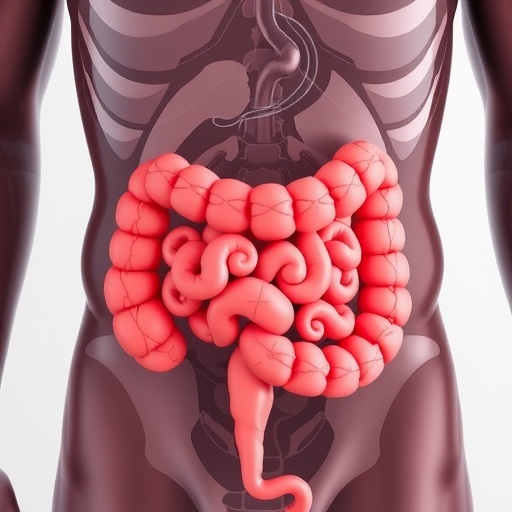
A ketogenic diet—high fat, very low carbohydrate—has become a mainstream strategy for weight loss and metabolic “health.” Yet new mouse research suggests that its effects on cancer may be profoundly tissue-specific, reshaping how we should interpret viral headlines about ketones and tumor protection.

The study, led by researchers at MIT, tested how a ketogenic regimen influences intestinal tumor development in animals predisposed to cancer. Mice received either a ketogenic diet, a standard control diet, or a high-fat/high-calorie diet, allowing the team to separate ketogenic effects from general fat overconsumption.

Results were striking in the small intestine: animals on the ketogenic diet developed significantly more tumors than those on control diets. In fact, tumor rates were similar to or even higher than those observed in the obesogenic high-fat/high-calorie group, despite the ketogenic group not becoming obese.

Mechanistically, the work challenges the idea that circulating ketone molecules are the main drivers. Additional experiments indicated that ketone bodies did not directly govern tumor formation; instead, tumor growth tracked with how intestinal cells metabolize dietary fat for energy.

That fat-burning pathway—fatty acid oxidation—activates PPAR-linked signaling, which increases stem cell proliferation in the intestinal lining. While such proliferation can help tissue repair after injury, the same “growth mode” appears to raise the probability that some proliferating cells transition toward malignancy.

The headline twist arrives when the researchers examine the colon. The ketogenic diet suppressed colon tumor development, echoing earlier reports that ketone-related metabolic shifts can be protective in this region.

Importantly, the new data suggest that colon protection is not mediated by ketone bodies. Rather, the same overall diet triggers opposing outcomes through region-dependent differences in lipid metabolism and stem cell behavior.

The findings carry a practical warning for the booming ketone-supplement market. Because the study attributes both risk and benefit to fat metabolism rather than ketones themselves, ketone drinks may not reproduce either the small-intestine danger or the colon protection observed in mice.

By highlighting how adjacent tissues respond differently to identical dietary inputs, the research suggests ketogenic therapies may need personalization—or at least careful monitoring—before they are broadly applied for cancer prevention or metabolic health.

Subject of Research: Animals (mouse models)
Article Title: Ketogenic diet mediates intestinal tumorigenesis through lipids not ketones
News Publication Date: 15-Jul-2026
References: Nature (MIT study)
Keywords: ketogenic diet, intestinal cancer, fatty acid oxidation, PPAR signaling, stem cell proliferation, ketone bodies, colon tumors, small intestine tumors

Tags: diet-induced metabolic changes and cancerfatty acid oxidation in intestinal cellshigh-fat diet and tumor formationimpact of ketogenic diets on intestinal tumor growthketogenic diet and cancer riskketogenic diet and intestinal healthmouse models of diet-related cancer riskPPAR signaling pathway in cancerrole of ketone bodies in cancersmall intestine tumor developmentstem cell proliferation in the intestinetissue-specific effects of ketogenic diets
Share26Tweet16
Previous Post

Study Finds Smokers Rarely Increase Smoking After Switching to Low-Nicotine Cigarettes

Next Post

Regulatory Hurdles Undermine Cell Therapy Approvals: Lessons from IND and BLA Failures

Related Posts

Novel Prognostic Biomarker and Oncogenic Driver Identified in Colorectal Cancer
Cancer

Novel Prognostic Biomarker and Oncogenic Driver Identified in Colorectal Cancer

July 15, 2026
New Drug Design Method Enhances Cancer Treatments with Increased Potency
Cancer

New Drug Design Method Enhances Cancer Treatments with Increased Potency

July 15, 2026
ADLM 2026 to Highlight Diabetes Milestones, Space Diagnostics, and Cancer Biomarkers
Cancer

ADLM 2026 to Highlight Diabetes Milestones, Space Diagnostics, and Cancer Biomarkers

July 15, 2026
Integrating Polygenic Scores with Registry Data to Improve Colorectal Cancer Screening
Cancer

Integrating Polygenic Scores with Registry Data to Improve Colorectal Cancer Screening

July 15, 2026
Ulinastatin Shows Therapeutic Effects in Liver Diseases
Cancer

Ulinastatin Shows Therapeutic Effects in Liver Diseases

July 15, 2026
Mussel Protein Forms Protective Vessel Barrier, Then Disappears in Pancreatic Tumors
Cancer

Mussel Protein Forms Protective Vessel Barrier, Then Disappears in Pancreatic Tumors

July 15, 2026
Next Post
Regulatory Hurdles Undermine Cell Therapy Approvals: Lessons from IND and BLA Failures

Regulatory Hurdles Undermine Cell Therapy Approvals: Lessons from IND and BLA Failures

  • Mothers who receive childcare support from maternal grandparents show more

    Mothers who receive childcare support from maternal grandparents show more parental warmth, finds NTU Singapore study

    27656 shares
    Share 11059 Tweet 6912
  • University of Seville Breaks 120-Year-Old Mystery, Revises a Key Einstein Concept

    1061 shares
    Share 424 Tweet 265
  • Bee body mass, pathogens and local climate influence heat tolerance

    682 shares
    Share 273 Tweet 171
  • Researchers record first-ever images and data of a shark experiencing a boat strike

    546 shares
    Share 218 Tweet 137
  • Groundbreaking Clinical Trial Reveals Lubiprostone Enhances Kidney Function

    531 shares
    Share 212 Tweet 133
Science

Embark on a thrilling journey of discovery with Scienmag.com—your ultimate source for cutting-edge breakthroughs. Immerse yourself in a world where curiosity knows no limits and tomorrow’s possibilities become today’s reality!

RECENT NEWS

  • New Fungal Species Named After Sweden’s King Unveiled
  • New study maps climate measures for Berlin and heat protection for Tirana
  • Fragmented European wetlands face uneven restoration needs and patchy recovery efforts
  • Self-Aligned Heterogeneous Integration Advances Quantum Photonics Fabrication

Categories

  • Agriculture
  • Anthropology
  • Archaeology
  • Athmospheric
  • Biology
  • Biotechnology
  • Blog
  • Bussines
  • Cancer
  • Chemistry
  • Climate
  • Earth Science
  • Editorial Policy
  • Marine
  • Mathematics
  • Medicine
  • Pediatry
  • Policy
  • Psychology & Psychiatry
  • Science Education
  • Social Science
  • Space
  • Technology and Engineering

Subscribe to Blog via Email

Enter your email address to subscribe to this blog and receive notifications of new posts by email.

Join 5,146 other subscribers

© 2025 Scienmag - Science Magazine

Welcome Back!

Login to your account below

Forgotten Password?

Retrieve your password

Please enter your username or email address to reset your password.

Log In
No Result
View All Result
  • HOME
  • SCIENCE NEWS
  • CONTACT US

© 2025 Scienmag - Science Magazine

Discover more from Science

Subscribe now to keep reading and get access to the full archive.

Continue reading
