

Thursday, July 16, 2026
Science
No Result
View All Result
  • Login
  • HOME
  • SCIENCE NEWS
  • CONTACT US
  • HOME
  • SCIENCE NEWS
  • CONTACT US
No Result
View All Result
Scienmag
No Result
View All Result
Home Science News Medicine

Ketogenic Diet Drives Intestinal Tumor Growth via Lipids, Not Ketones

July 16, 2026
in Medicine, Technology and Engineering
Reading Time: 2 mins read
0
Ketogenic Diet Drives Intestinal Tumor Growth via Lipids, Not Ketones

Ketogenic Diet Drives Intestinal Tumor Growth via Lipids, Not Ketones

65
SHARES
587
VIEWS
Share on FacebookShare on Twitter
ADVERTISEMENT

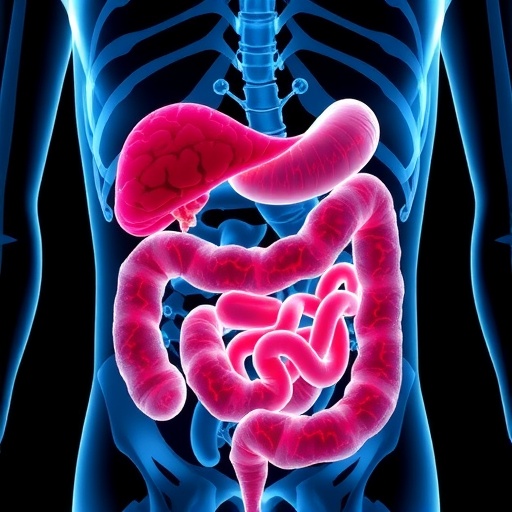
A ketogenic diet (KD) is often promoted for lowering blood insulin and shifting metabolism toward ketone bodies. Yet how this high-fat, low-carbohydrate regimen affects cancer risk inside the gut has remained unclear—especially in people with inherited vulnerabilities. In a new study, researchers used mouse models that spontaneously develop intestinal adenomas to test whether KDs accelerate tumor growth and, crucially, whether any effect depends on ketone metabolites themselves or on other lipid-driven metabolic pathways.

The team built a multi-layered experimental framework combining dietary intervention, genetic edits in the ketogenic pathway, and targeted changes in lipid utilization. Their goal was to separate systemic ketogenesis from the local metabolic environment of the intestinal epithelium, an essential distinction because the gut rapidly processes dietary fats and nutrients.

They report that the KD consistently worsened outcomes: tumor burden increased and survival shortened. Importantly, this tumor acceleration occurred independently of circulating ketone metabolites. In other words, lowering insulin and boosting ketone production were not sufficient to explain the increased adenoma formation.

To probe causality, the investigators genetically manipulated 3-hydroxy-3-methylglutaryl-coenzyme A synthase 2 (HMGCS2), a key ketogenic enzyme. Whether they reduced or enhanced HMGCS2 activity, altering production of local and systemic ketone metabolites, the resulting changes did not translate into meaningful differences in intestinal tumorigenesis. The same held when they disrupted ketolysis, further dissociating ketone availability from cancer progression.

Attention then shifted from ketones to fatty acid utilization. When the study introduced intestinal loss of PPARα/δ/γ—transcriptional regulators that drive lipid-responsive gene programs—KD-driven expansion of intestinal stem cells declined. The researchers also observed reductions in proliferation and clonogenic growth, suggesting that KD’s tumor-promoting effects require lipid signaling that reshapes the stem-cell compartment.

Finally, the authors tested whether mitochondrial fatty acid oxidation is the downstream engine. By knocking out CPT1A, an essential gatekeeper for transporting long-chain fatty acids into mitochondria, they found a selective limitation of adenoma formation under KD conditions. This placed fatty acid oxidation of dietary lipids, rather than lipid accumulation or ketone metabolism, at the center of tumor initiation in this setting.

Overall, the work reframes ketogenic nutrition in cancer prevention terms: dietary lipid content can influence intestinal tumorigenesis through fatty acid oxidation pathways even when ketone metabolism is genetically uncoupled. For patients with genetically susceptible intestinal disease, these findings argue for a more nuanced evaluation of dietary strategies that may inadvertently feed oncogenic metabolic circuits.

Subject of Research:
Cancer metabolism; ketogenic diet; intestinal adenomas

Article Title:
Ketogenic diet mediates intestinal tumorigenesis through lipids not ketones

Article References:
Shay, J.E.S., Chi, F., Tzouanas, C.N. et al. Ketogenic diet mediates intestinal tumorigenesis through lipids not ketones. Nature (2026). https://doi.org/10.1038/s41586-026-10779-y

Image Credits:
AI Generated

DOI:
https://doi.org/10.1038/s41586-026-10779-y

Keywords:
ketogenic diet; intestinal cancer; fatty acid oxidation; HMGCS2; CPT1A; PPAR; ketones; stem cells; adenomas

Tags: Dietary fats and intestinal tumor growthEffects of ketogenic enzymes like HMGCS2 on tumor progressionImpact of high-fat low-carb diets on gut tumorsInsulin suppression and cancer riskKetogenic diet and intestinal tumor growthKetogenic diet safety in cancer-prone individualsLipid metabolism in cancer developmentLipid-driven cancer progressionMetabolic pathways influencing gut cancerMouse models of intestinal adenomasrole of ketone bodies in cancerSystemic versus local metabolic effects of ketogenic diet
Share26Tweet16
Previous Post

MIT Engineers Develop Precise Method to Grow Artificial Blood Vessels

Next Post

Researchers Uncover Hidden Individual Differences in Viral Infections

Related Posts

MYOF Identified as Novel Glioblastoma Therapeutic Target, Enabling Drug Discovery
Medicine

MYOF Identified as Novel Glioblastoma Therapeutic Target, Enabling Drug Discovery

July 16, 2026
Polymer Flexible Wireless Sensors for Continuous Health Monitoring
Technology and Engineering

Polymer Flexible Wireless Sensors for Continuous Health Monitoring

July 16, 2026
Drug candidate may improve L-dopa effectiveness for Parkinson’s patients
Medicine

Drug candidate may improve L-dopa effectiveness for Parkinson’s patients

July 16, 2026
MIT Engineers Develop Precise Method to Grow Artificial Blood Vessels
Technology and Engineering

MIT Engineers Develop Precise Method to Grow Artificial Blood Vessels

July 16, 2026
Horses Maintain Calm Faces While Heart Racing When Spotting Predators
Medicine

Horses Maintain Calm Faces While Heart Racing When Spotting Predators

July 16, 2026
Lab-Quality At-Home HIV Test Receives $1.3 Million Grant at UMass Amherst
Technology and Engineering

Lab-Quality At-Home HIV Test Receives $1.3 Million Grant at UMass Amherst

July 16, 2026
Next Post
Researchers Uncover Hidden Individual Differences in Viral Infections

Researchers Uncover Hidden Individual Differences in Viral Infections

  • Mothers who receive childcare support from maternal grandparents show more

    Mothers who receive childcare support from maternal grandparents show more parental warmth, finds NTU Singapore study

    27656 shares
    Share 11059 Tweet 6912
  • University of Seville Breaks 120-Year-Old Mystery, Revises a Key Einstein Concept

    1061 shares
    Share 424 Tweet 265
  • Bee body mass, pathogens and local climate influence heat tolerance

    682 shares
    Share 273 Tweet 171
  • Researchers record first-ever images and data of a shark experiencing a boat strike

    546 shares
    Share 218 Tweet 137
  • Groundbreaking Clinical Trial Reveals Lubiprostone Enhances Kidney Function

    531 shares
    Share 212 Tweet 133
Science

Embark on a thrilling journey of discovery with Scienmag.com—your ultimate source for cutting-edge breakthroughs. Immerse yourself in a world where curiosity knows no limits and tomorrow’s possibilities become today’s reality!

RECENT NEWS

  • Scientists Find Unexpected Path to Produce Real Dairy Protein in Plants
  • MYOF Identified as Novel Glioblastoma Therapeutic Target, Enabling Drug Discovery
  • Polymer Flexible Wireless Sensors for Continuous Health Monitoring
  • Immune Cells Employ Novel Pathway to Eliminate Acute Myeloid Leukemia

Categories

  • Agriculture
  • Anthropology
  • Archaeology
  • Athmospheric
  • Biology
  • Biotechnology
  • Blog
  • Bussines
  • Cancer
  • Chemistry
  • Climate
  • Earth Science
  • Editorial Policy
  • Marine
  • Mathematics
  • Medicine
  • Pediatry
  • Policy
  • Psychology & Psychiatry
  • Science Education
  • Social Science
  • Space
  • Technology and Engineering

Subscribe to Blog via Email

Enter your email address to subscribe to this blog and receive notifications of new posts by email.

Join 5,146 other subscribers

© 2025 Scienmag - Science Magazine

Welcome Back!

Login to your account below

Forgotten Password?

Retrieve your password

Please enter your username or email address to reset your password.

Log In
No Result
View All Result
  • HOME
  • SCIENCE NEWS
  • CONTACT US

© 2025 Scienmag - Science Magazine

Discover more from Science

Subscribe now to keep reading and get access to the full archive.

Continue reading
