


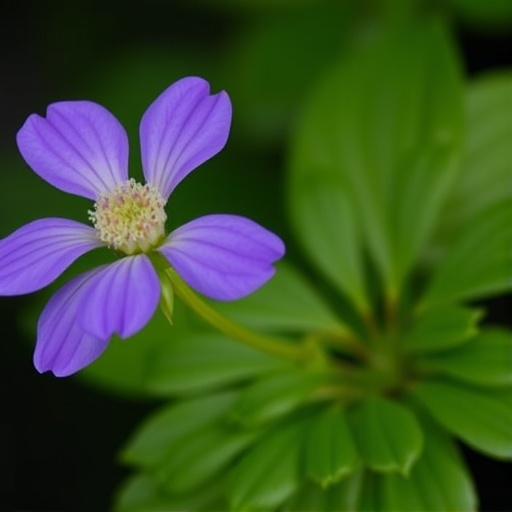
In an exciting breakthrough in the field of dermatological research, a recent study has unveiled the remarkable properties of polymethoxyflavones derived from the exotic plant Kaempferia parviflora. This research, conducted by Poungcho et al., published in Scientific Reports, highlights the compound’s ability to enhance melanogenesis by effectively blocking the transient receptor potential channel 2 (TPC2). This discovery not only offers new insights into skin pigmentation but also sets the stage for potential therapies for various skin conditions related to pigmentation.
Melanogenesis, the process responsible for the production of melanin in our skin, plays a crucial role in protecting against UV radiation and determining skin color. However, factors such as genetic predispositions, hormonal changes, and environmental impacts can disrupt this balance, leading to conditions such as vitiligo, albinism, or hyperpigmentation. The search for natural compounds that can regulate this process has been a significant focus for researchers and skin care professionals alike.
Kaempferia parviflora, commonly known as black ginger, is well-known in traditional medicine for its antioxidant properties. Its active compounds, particularly polymethoxyflavones, have garnered considerable interest due to their reported health benefits. In this study, the authors aimed to elucidate the underlying biological mechanisms that allow these flavones to stimulate melanogenesis.
The team employed a variety of assays to explore the effect of polymethoxyflavones on melanocyte cells, which are responsible for producing melanin. By blocking the TPC2 channel, these compounds are believed to disrupt calcium signaling, which is crucial for the activation of melanogenesis. This finding is particularly significant, considering that calcium ions are known to play a pivotal role in various cellular processes, including hormone secretion and enzyme activity.
Furthermore, the study delves deep into the molecular pathways that underpin this stimulation of melanogenesis. By using specific inhibitors and gene expression analyses, Poungcho et al. were able to elucidate changes in the expression levels of key melanogenic enzymes, such as tyrosinase, which is essential for melanin synthesis. The results indicated that treatment with polymethoxyflavones substantially elevated levels of tyrosinase, leading to increased melanin production in the melanocytes.
In conjunction with these findings, the team also examined the safety profile of these flavones. Preliminary toxicity tests showed promising results, indicating that the compounds derived from Kaempferia parviflora are non-toxic to skin cells at effective dosages. This aspect is crucial for any future application in cosmetics or therapeutic products, as safety is paramount in skincare formulations.
This study not only contributes to the understanding of how natural compounds can regulate skin processes but also opens avenues for developing new treatments for pigmentation disorders. Given the increasing consumer demand for natural and plant-based ingredients in the beauty industry, the implications of this research could resonate well with both manufacturers and consumers looking for alternatives to synthetic agents for skin enhancement.
The potential applications of polymethoxyflavones extend beyond mere cosmetic use. Researchers speculate that these compounds could also play a therapeutic role in skin diseases characterized by pigmentation issues. For instance, individuals struggling with vitiligo may benefit from a treatment derived from these flavones that promotes melanin production, helping to restore pigmentation to depigmented areas.
Moreover, the implications of this research could lead to broader applications in dermatology. As the skincare industry continues to evolve, adapting to the growing awareness surrounding natural ingredients and holistic approaches to beauty, the findings from this study might encourage further examinations of other compounds within Kaempferia parviflora and similar plants. Such exploration could uncover additional pathways and mechanisms, leading to even more innovative products.
In conclusion, the study conducted by Poungcho et al. serves as a vital contribution to both scientific knowledge and practical applications in the field of dermatology. By demonstrating how polymethoxyflavones can stimulate melanogenesis through the modulation of the TPC2 channel, this research not only broadens our understanding of skin biology but also paves the way for future advancements in treating pigmentation disorders and enhancing skin health.
The relevance of their findings cannot be overstated, especially in a world where skin health often reflects overall well-being. As more people seek out ways to enhance their skin’s appearance while also addressing potential medical concerns, studies like this are crucial. They encourage a shift towards more natural solutions, ultimately embracing holistic health approaches that prioritize safety, efficacy, and sustainability.
As interest grows in the therapeutic potential of plant-based compounds, the call for further research is clear. Innovative studies like these will ensure that the connection between traditional knowledge and modern science continues to thrive, benefiting not only consumers but also practitioners in the fields of skincare and medicine.
In summary, the future of pigmentation therapies may very well lie in the hands of natural compounds derived from plants like Kaempferia parviflora. With continued research and development, it is possible that we may soon see new products hitting the shelves that offer not only cosmetic enhancements but also contribute to the overall health of our skin.
Poungcho, P., Tang, R., Hairani, R. et al. Polymethoxyflavones from Kaempferia parviflora stimulate melanogenesis by blocking the TPC2 channel. Sci Rep 15, 40344 (2025). https://doi.org/10.1038/s41598-025-27629-y
Cite Scienmag News
Denise Maddox. (November 18, 2025). Kaempferia parviflora’s Flavones Boost Melanogenesis by Blocking TPC2. Scienmag. https://scienmag.com/kaempferia-parvifloras-flavones-boost-melanogenesis-by-blocking-tpc2/
Denise Maddox. "Kaempferia parviflora’s Flavones Boost Melanogenesis by Blocking TPC2." Scienmag, 18 November 2025, https://scienmag.com/kaempferia-parvifloras-flavones-boost-melanogenesis-by-blocking-tpc2/. Accessed 4 September 2026.
Denise Maddox. "Kaempferia parviflora’s Flavones Boost Melanogenesis by Blocking TPC2." Scienmag. November 18, 2025. https://scienmag.com/kaempferia-parvifloras-flavones-boost-melanogenesis-by-blocking-tpc2/


